EXCLUSIVE: Multi Million Dollar Retailer Collapse Rocks Australian Distributors After Business Placed Into Liquidation
 David Richards
01 Jun 2026
David Richards
01 Jun 2026
One of Australia’s most dramatic technology sector collapses has left some of the nation’s largest IT distributors facing losses exceeding $14 million, raising serious questions about credit controls, supplier exposure, and how a relatively small Victorian retailer was able to accumulate such substantial debts in just a few years.
Metrocom AU Pty Ltd, the owner of Melbourne-based gaming PC retailer GalaPower, has entered liquidation with total liabilities believed to be approaching $40 million.
Among the hardest hit are some of Australia’s biggest technology distributors. Documents obtained by ChannelNews reveal that Tech Data ANZ is owed $4.1 million, Leader Computers $7.4 million, Dicker Data $1.86 million, Multimedia Technology $889,964, and Ingram Micro almost $500,000.
The scale of the losses has stunned industry observers, with many now questioning how a business operating primarily from a single retail location in Clayton, Victoria, was able to secure such significant levels of credit from major suppliers and distributors.
Trade credit insurers are also expected to face substantial claims arising from the collapse.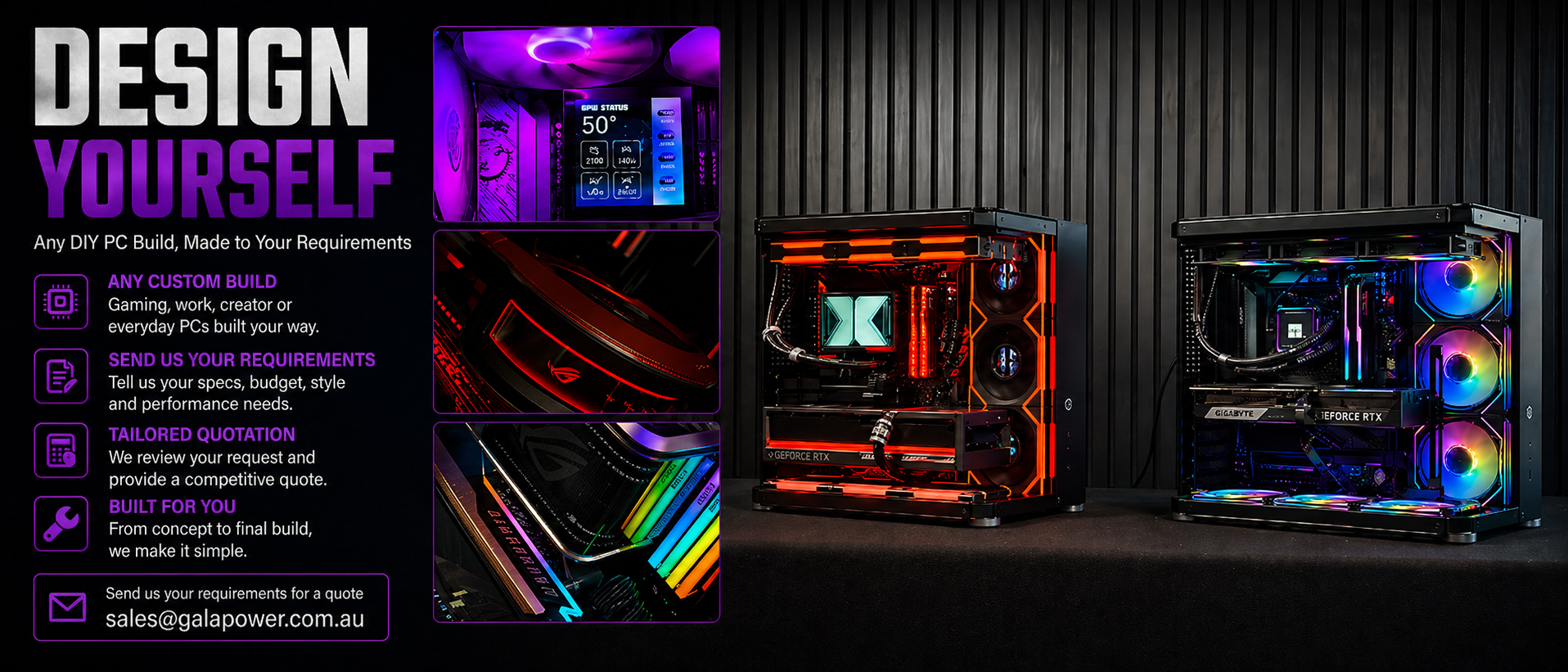
According to records lodged with the Australian Securities and Investments Commission (ASIC), Metrocom AU Pty Ltd’s sole director is 34-year-old Chinese national Jun Liu, who describes himself on LinkedIn as holding a Doctor of Philosophy degree.
Melbourne-based liquidators Hamish MacKinnon and Shane Deane of Dye & Co have been appointed to wind up the company and investigate its financial affairs.
The collapse has sent shockwaves through the PC gaming and component industry, with major technology brands potentially exposed through unpaid inventory and supply agreements. Suppliers believed to be affected include Intel, AMD, Nvidia, Gigabyte, Lexar and numerous component manufacturers whose products featured prominently in GalaPower gaming systems.
Founded in 2023, GalaPower marketed itself as a premium custom PC builder specialising in enthusiast gaming systems and esports-focused solutions. The company claimed to deliver “custom PC craftsmanship” and promoted itself as a provider of high-performance gaming experiences.
Despite being a relatively new entrant to the market, GalaPower rapidly established itself as a visible player in Australia’s gaming PC sector.
The company claimed to have won Australia’s Best Desktop Builder for two consecutive years and offered customers three-year warranties along with lifetime support.
That promise is now under scrutiny.
With Metrocom AU Pty Ltd in liquidation, questions remain over who, if anyone, will honour existing warranty obligations for customers who purchased systems from GalaPower.
Industry sources have also raised concerns regarding the company’s reported tax liabilities, with observers claiming that the Australian Taxation Office is owed a significant amount of money. The full extent of ATO exposure has yet to be disclosed by liquidators.
Metrocom AU Pty Ltd was originally registered with ASIC in 2021 before launching the GalaPower brand in 2023.
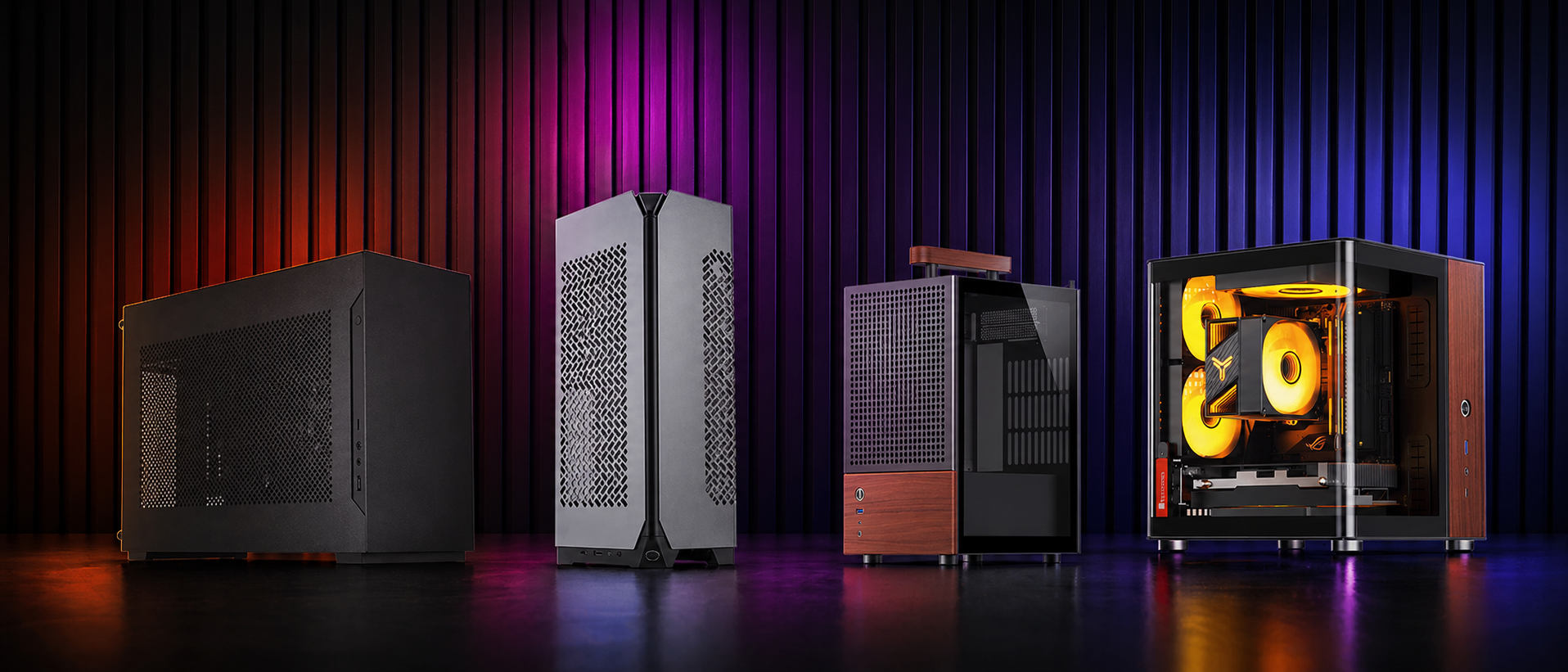
An examination of GalaPower’s product range reveals significant reliance on major component vendors. AMD processors featured prominently across its gaming desktop lineup, including Ryzen 5, Ryzen 7 and Ryzen 9 series chips. Nvidia graphics cards were heavily utilised, while Gigabyte emerged as the dominant motherboard supplier and Lexar as the primary SSD provider.
The company also sold gaming laptops under its Ready-to-Ship range, with references to Asus ROG-branded products appearing throughout its marketing material.
The collapse comes amid increasing pressure across Australia’s technology retail sector, where tightening margins, rising inventory costs and weakening consumer demand have placed strain on several businesses.
Liquidators are now expected to investigate the circumstances leading to Metrocom’s failure, including the accumulation of millions of dollars in supplier debt over a relatively short period.
For distributors, suppliers and insurers, the focus will now shift to recoveries. For customers, the immediate concern is whether warranty support and after-sales service promises will survive the company’s collapse.
For the Australian technology industry, the bigger question remains unanswered: how did a company established only a few years ago accumulate tens of millions of dollars in liabilities before alarm bells started ringing?