EXCLUSIVE: Chinese Phone Brand Motorola Who Operate Via Tax Haven, Pays Just $612K Tax Despite $130M In Revenue
 David Richards
27 Jan 2026
David Richards
27 Jan 2026

Motorola, the Chinese-owned smartphone brand attempting to reposition itself as a premium player in Australia, has paid just $612,000 in local tax over the past two years despite generating revenues of more than $130 million.
Corporate records lodged with the Australian Securities and Investments Commission show Motorola Mobility Australia Pty Ltd recorded revenues of $82.8 million in the year to March 2025 alone, yet reported a profit of just $1.3 million. Over the same two-year period, total revenues exceeded $130 million.
The Australian operation is wholly owned by Lenovo, the Chinese technology giant, and is structured through a Netherlands-based parent entity, Motorola Mobility Netherlands One Cooperatief U.A — a jurisdiction commonly used by multinationals for tax minimisation. That Dutch entity owns 100 per cent of the Australian subsidiary.
Despite modest reported profits, Motorola significantly increased spending on marketing and management. The company doubled its marketing budget last year to $8.52 million and continues to sponsor high-profile sporting teams including the Penrith Panthers in the NRL and Richmond Football Club in the AFL.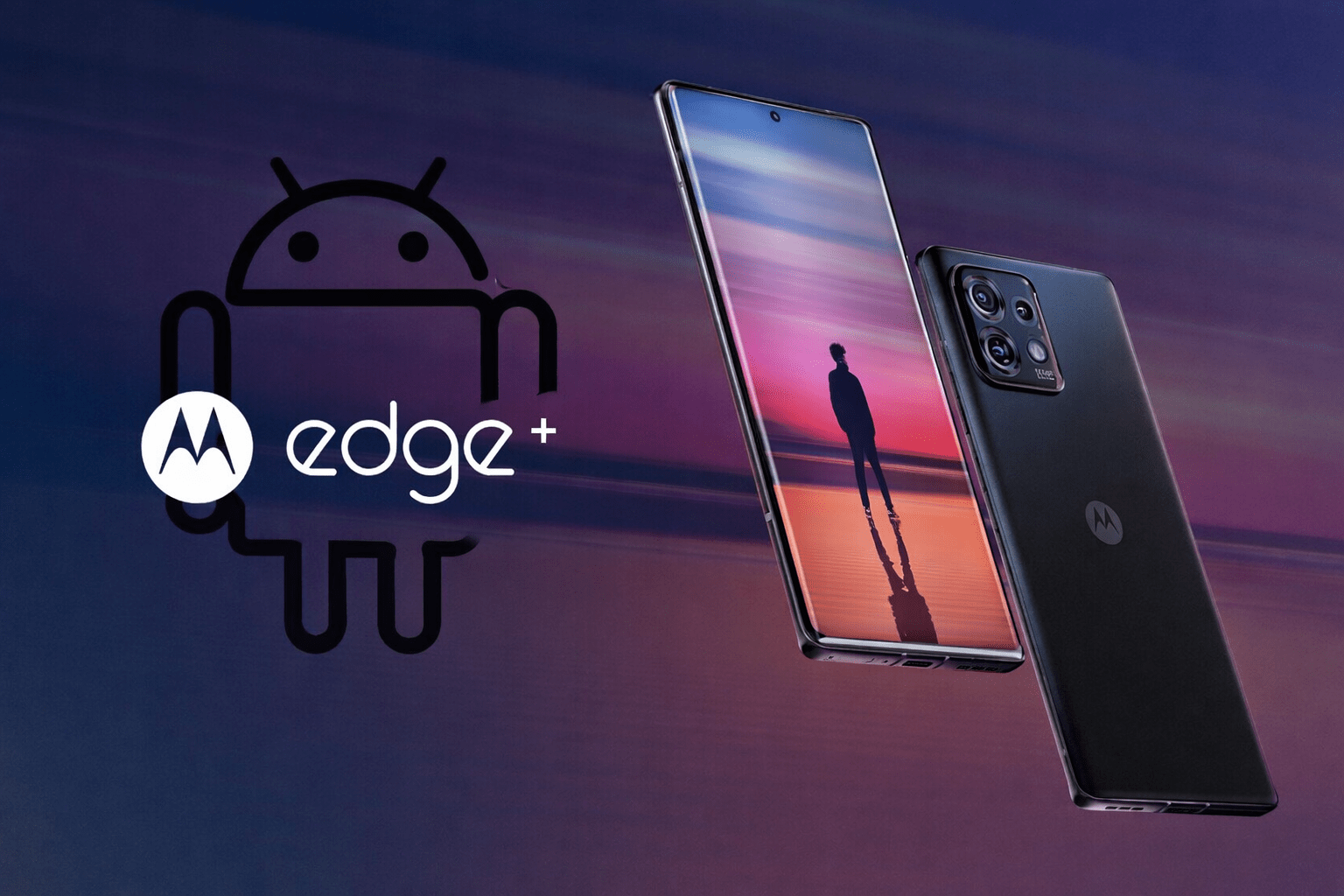
Commissions paid to management rose sharply, increasing from $731,931 to $1.09 million in the same period.
The company has also increased provisions for warranty expenses following ongoing consumer complaints about delayed and inconsistent Android software updates.
Motorola has long lagged behind competitors in software support, offering fewer Android version upgrades and shorter security update lifecycles. Even its flagship foldable Razr — positioned as a premium device — is only receiving Android 16 this week and is limited to just two or three major operating system updates.
By comparison, rivals such as Google and Samsung now promise up to six or seven years of Android and security updates.
Update delivery delays have also been a persistent source of customer frustration, with some Motorola devices receiving new Android versions months — and in some cases more than a year — after competing brands. Users have reported software updates causing system instability, including launcher crashes and boot issues, leaving some devices difficult to use until further patches are released.
Concerns have also been raised over Motorola and Lenovo’s adoption of Chinese-linked DeepSeek AI across multiple devices, alongside Google’s Gemini AI.
Motorola’s own support documentation states that software update timing and content are not guaranteed and may change without notice, reserving the company’s right to alter or delay delivery.
For consumers, that caveat underscores growing unease as Motorola seeks to shed its reputation as a low-cost handset maker while charging premium prices — without offering the long-term software support increasingly expected at the top end of the smartphone market.
Local management have not commented for gthis story.