EA Launches New Advertising Division To Bring Brands Into Gaming Experiences
 April Ossington
16 Jun 2026
April Ossington
16 Jun 2026
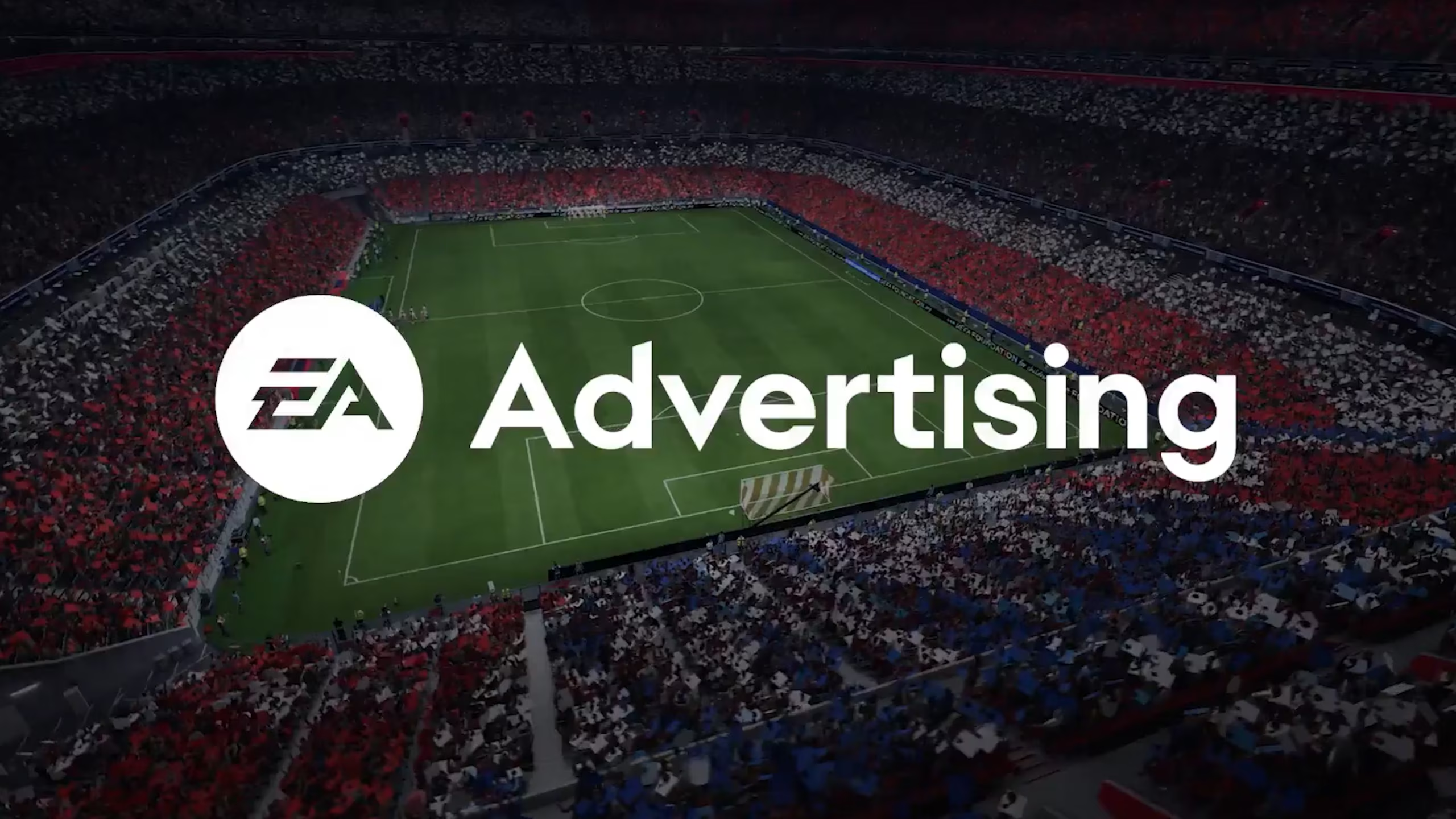
Electronic Arts has unveiled a new advertising-focused division aimed at helping brands connect with gamers through integrated experiences across its portfolio of titles and live events.
Known as EA Advertising, the initiative represents the publisher’s latest effort to create commercial partnerships that blend into gameplay environments rather than relying on traditional forms of digital advertising.
The company says the new business unit will allow advertisers to engage with audiences through a variety of in-game opportunities, including virtual stadium signage, branded content, sponsored challenges, customised cosmetic items and broadcast-style overlays. These placements will be designed to align with individual games and their communities, creating what EA describes as a more authentic form of brand engagement.
The strategy reflects a broader shift within the gaming industry, where publishers are increasingly exploring ways to generate revenue beyond game sales and subscriptions. With audiences spending significant amounts of time in virtual environments, gaming platforms have become attractive spaces for marketers seeking alternative channels to reach consumers.
EA believes its scale gives it a strong foundation for the new venture. During the 2026 financial year, the publisher reported more than 120 million monthly players across console, PC and mobile platforms, providing brands with access to one of the industry’s largest gaming audiences.

Photo by EA Advertising
Alongside the launch, EA has also introduced an EA SPORTS Partner Program, which will allow selected brands to work more closely with the company on marketing campaigns, in-game activations and real-world promotional events linked to its sports franchises.
The publisher has emphasised that advertising integrations will be designed to complement the player experience rather than distract from it. New audience targeting and campaign measurement tools will also be available, enabling advertisers to monitor performance and engagement across EA’s ecosystem.
While the commercial opportunities may appeal to brands, winning over players could prove more challenging.
Gamers have historically been sensitive to advertising that feels intrusive or disruptive. Previous attempts across the industry to introduce overt marketing into games have often faced criticism, particularly when advertisements interrupt gameplay or detract from immersion.
EA itself has encountered resistance from players in the past when experimenting with advertising formats, making consumer perception an important factor in the success of the new initiative.
Industry observers note that context will likely determine how well players respond. Advertising that mirrors real-world environments, such as sponsorship signage in sports games, may feel natural to users. However, reactions could be less favourable if promotional content becomes overly prominent or appears disconnected from the gaming experience.
The launch highlights the growing convergence of entertainment, technology and advertising, as publishers seek new ways to monetise their platforms while maintaining player engagement.
Whether EA Advertising becomes a long-term success may ultimately depend on the company’s ability to strike a balance between commercial partnerships and the immersive experiences that players expect. If brands can become a seamless part of virtual worlds, the initiative could create a significant new revenue stream. If not, the gaming community may be quick to voice its concerns.