Apple Foldable iPhone Launch Could Slip Into Next Year
 April Ossington
16 Jun 2026
April Ossington
16 Jun 2026
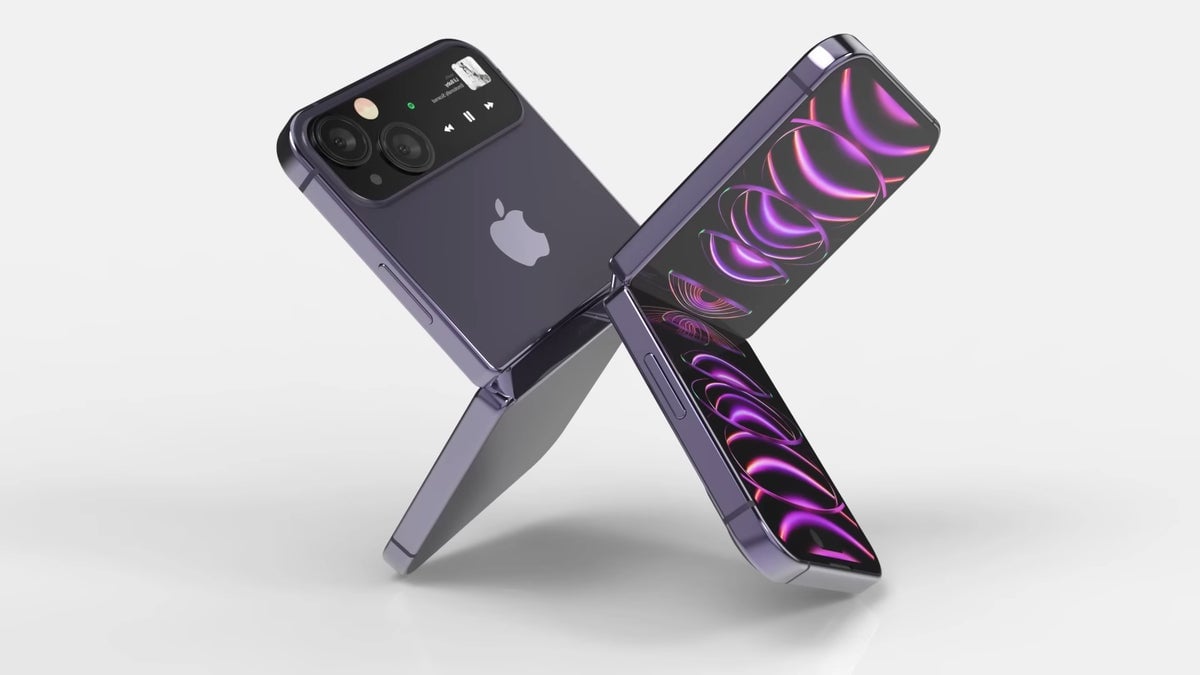
Apple’s long-rumoured foldable iPhone may not arrive as soon as expected, with new signals from the company’s supply chain suggesting the launch could move into early next year.
Speculation around the device has intensified in recent months, fuelled by a growing number of leaks and analyst reports. Many industry watchers had expected Apple to introduce its first foldable iPhone during its next major iPhone event, where it was tipped to appear alongside the iPhone 18 Pro range.
However, comments from Largan Precision chief executive Lin En-ping have raised questions about that timeline. According to a machine-translated version of his remarks, the company expects the fourth quarter to be busier than usual due to customer product schedules, with some products set for the third quarter and others delayed until early next year.
Analysts believe the reference may relate to Apple’s anticipated foldable iPhone, which has been variously described in reports as the iPhone Fold, iPhone Ultra or another premium branding variation.

Until recently, expectations had centred on a September reveal, with the device potentially positioned as Apple’s major surprise announcement during the iPhone 18 Pro launch. Apple could still use the event to preview the product before making it available later, a strategy it has used before. The iPhone X, for example, was announced alongside the iPhone 8 series but arrived in stores at a later date.
A delayed release would also align with reports that Apple plans to split the iPhone 18 launch cycle into two stages. The iPhone 18 Pro and iPhone 18 Pro Max are expected to be introduced first, while the standard iPhone 18, iPhone 18e and next-generation iPhone Air are tipped for a separate launch in 2027.
The revised timing may also affect predictions about Apple’s early position in the foldable smartphone market. Some forecasts had suggested Apple could quickly become one of the top three foldable phone brands in 2026, but a launch pushed into next year would make that target harder to achieve.
Even so, expectations remain high. Market analysts have predicted Apple’s first foldable iPhone could ship around 11 million units in its first year, reflecting the strength of the iPhone brand and the level of interest in a premium foldable model.
While Apple has not confirmed the device, the volume of supply chain discussion suggests the project remains one of the company’s most closely watched upcoming product launches. Whether it appears this year as a preview or arrives next year as a full release, Apple’s first foldable iPhone is expected to attract significant attention across the smartphone market.