Dyson Family Takes A$1.43 Billion Dividend As Revenue Slides And Chinese Rivals Attack
 David Richards
05 Oct 2026
David Richards
05 Oct 2026
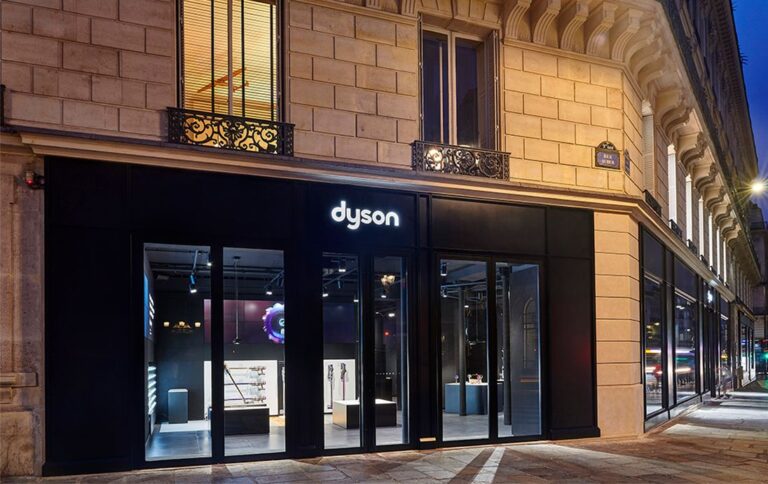
Dyson’s billionaire family owners have extracted a massive A$1.43 billion dividend from the appliance group despite revenue falling for a second consecutive year, net profit sliding and the premium appliance brand facing an increasingly aggressive assault from Chinese competitors.
The £750 million payout to the Dyson family’s holding structure was more than three times the previous year’s dividend and almost twice the net profit generated by Dyson during 2025.
It comes as the privately owned British technology group battles SharkNinja and fast growing Chinese appliance manufacturers including Dreame, Roborock, Mova and Ecovacs, many of which are increasingly securing premium shelf space at appliance and consumer electronics retailers.
Dyson remains a massive and highly profitable global business and there is no suggestion the company is in financial distress.
What is increasingly difficult to ignore, however, is the divergence between the enormous distributions flowing to its family owners and the deterioration in Dyson’s top line performance.
Revenue fell 6.7% during 2025, from £6.57 billion to £6.13 billion, or approximately A$11.66 billion, while pre-tax profit declined from £561 million to £511 million.
Net profit fell approximately 14% to £381 million, or around A$725 million.
Yet Dyson Holdings distributed £750 million, approximately A$1.43 billion, to Weybourne Holdings, the Singapore based family investment structure controlling the Dyson family’s wealth.
That means the dividend was equivalent to approximately 197% of Dyson’s annual net profit.
Put another way, Dyson paid its family shareholder almost A$2 for every A$1 of net profit generated during the year.
Revenue Has Fallen For Two Years
The payout comes against a significant deterioration in Dyson’s revenue since 2023.
In 2023, Dyson generated approximately £7.1 billion, or A$13.51 billion, in revenue and around £1.1 billion in pre-tax profit.
Revenue subsequently fell to approximately £6.6 billion, or A$12.56 billion, during 2024, while pre-tax profit almost halved to £561 million, or approximately A$1.07 billion.
Revenue then fell again during 2025 to £6.13 billion, approximately A$11.66 billion.
That represents a decline of roughly 14% in just two years, equivalent to approximately A$1.85 billion disappearing from Dyson’s annual revenue base.
The decline has occurred despite Dyson aggressively expanding its product portfolio and moving well beyond the vacuum cleaners on which its global consumer reputation was built.
The company says it launched a record 13 significant new products during 2025.
Dyson also sold more than 20 million products during the previous reporting period, a company record, demonstrating that its problem is not simply an inability to move hardware.
Pressure is increasingly coming from price, product mix, foreign exchange movements and competitors offering sophisticated technology at significantly lower prices.
A$1.43 Billion Moves Into Family Investment Empire
The £750 million dividend was not paid directly into Sir James Dyson’s personal bank account.
It was paid by Dyson Holdings to Weybourne Holdings, the Singapore based family office and investment holding company sitting above the Dyson family’s business interests.
Weybourne manages investments spanning property, agriculture, venture capital, private equity, hedge funds and other assets.
Dyson remains 100% privately owned by the Dyson family.
While that corporate distinction is important, economically the result is clear: £750 million moved from the Dyson operating structure into the family’s wider investment structure.
The scale of the distributions is significant.
In 2024 the dividend was approximately A$381 million.
For 2025 it exploded to A$1.43 billion.
Dyson has previously made even larger distributions, including a A41.28 million billion payout in 2022.
The Times has reported that more than A$8.56 billion, has been transferred out of Dyson’s core businesses through dividends over the past decade.
The latest filing has also reportedly disclosed another US$70 million dividend to Weybourne in February 2026.
The size of the 2025 distribution is particularly striking because Dyson generated only about A$725 million, in net profit for the year.
A dividend equivalent to almost twice annual earnings means the distribution could not simply have been funded from that year’s profit. It was supported by accumulated reserves, cash and Dyson’s broader balance sheet.
Jobs Cut As Family Dividends Flow
At the same time, Dyson has been restructuring its global operation.
More than 1,000 UK positions have been cut, while Dyson’s worldwide workforce has fallen from approximately 13,000 people in 2022 to just over 10,000.
The contrast is difficult to miss.
Thousands of positions have disappeared from Dyson’s global workforce, revenue has fallen for two consecutive years and net profit has declined, while enormous distributions have continued flowing into the Dyson family’s investment structure.
Dyson, however, can point to a considerably stronger operating performance beneath the headline revenue and net profit numbers.
EBITDA increased 18% to £1.11 billion during 2025, while operating profit increased approximately 15% to around £600 million.
That represents an EBITDA margin of roughly 18% on A$11.66 billion in revenue, hardly the financial profile of a distressed company.
Chief executive Hanno Kirner said significant reductions in operating costs helped deliver the improvement despite falling revenue.
Trump Tariffs Deliver Another Blow
Dyson also claims Donald Trump’s US tariffs had a major impact on its 2025 performance.
The company estimates tariffs cost it approximately A$837 million in sales, and maintains that without the tariff impact its 2025 pre-tax profit would have exceeded the previous year’s result.
Dyson also benefited from a reported £49 million, approximately A$93 million, government tax incentive during the year.
The company continues spending heavily to protect its technological positioning, with more than A$760 million invested in research and development during 2025.
But maintaining Dyson’s historic technology premium is becoming increasingly expensive as rivals close the gap.
Chinese Brands Attack Dyson’s Premium Model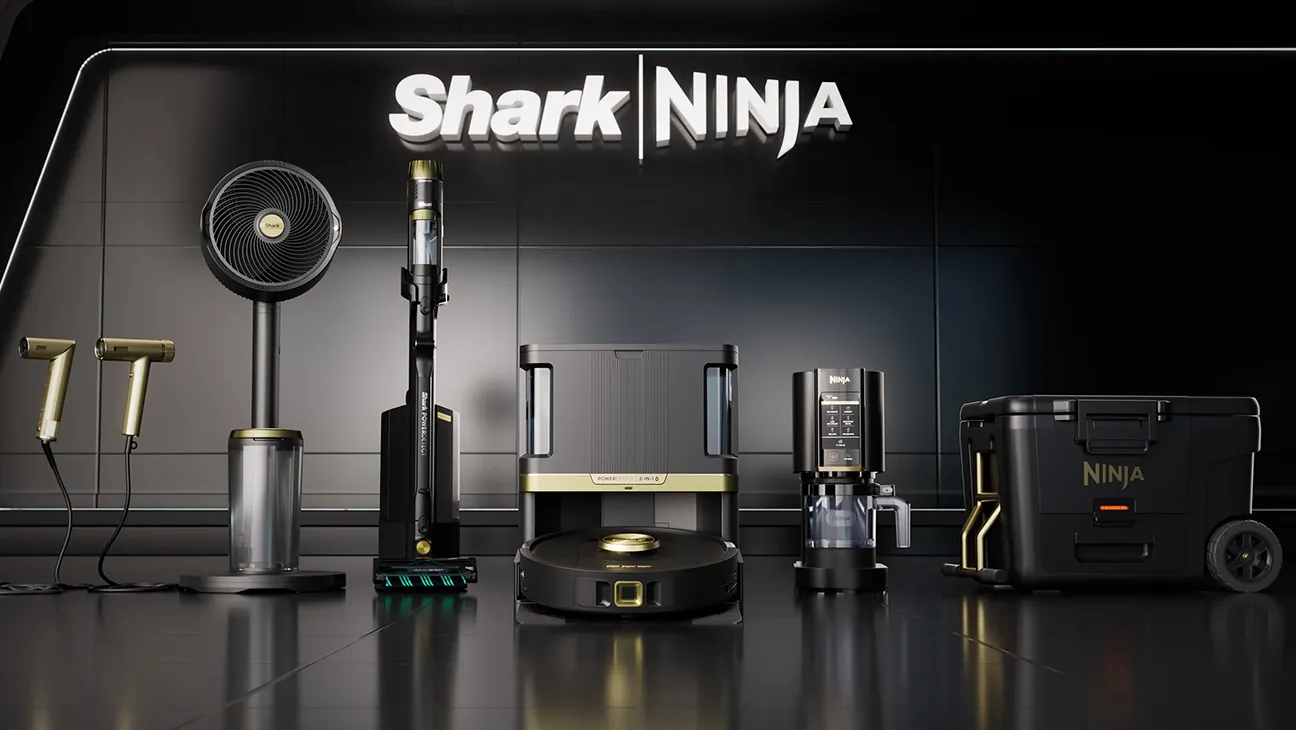
For Australian retailers, the bigger issue is what happens to Dyson’s premium pricing model as competitors increasingly offer comparable features for substantially less money.
SharkNinja has expanded aggressively across floorcare, kitchen appliances and beauty, while Dreame, Roborock, Mova and Ecovacs are rapidly improving their products and increasingly targeting categories once dominated by Dyson.
Chinese manufacturers are no longer content fighting for the bottom end of the market.
They are moving into affordable premium and premium categories, backed by rapid product development, sophisticated robotics, advanced motors, AI, battery technology and aggressive pricing.
And retailers are giving them shelf space.
Dyson has responded by moving beyond its traditional vacuum cleaner franchise into hair care, wet floor cleaning, robotics, air treatment and beauty products.
But the numbers expose the challenge.
Since 2023, when Chinese appliance manufacturers accelerated their premium product push, Dyson’s annual revenue has fallen by roughly A$1.85 billion, pre-tax profit has more than halved compared with 2023 and its global workforce has contracted sharply from 2022 levels.
Against that backdrop, the Dyson family’s A$1.43 billion dividend is inevitably going to attract scrutiny.
Dyson’s defence is that the underlying business remains exceptionally profitable, operating profit and EBITDA rebounded strongly during 2025, investment in R&D remains substantial and US tariffs distorted its headline financial performance.
All of that is valid.
But so is another number.
Dyson generated approximately A$725 million in net profit during 2025 and distributed approximately A$1.43 billion to its family owner’s holding company.
As Chinese competitors attack the premium appliance market and Dyson fights to restore revenue growth, that is the number retailers, competitors and financial analysts are likely to be watching.