Major Retailer Set To Dump Amazon Hardware As Blink, Ring Margin Fears Grow
 David Richards
05 Oct 2026
David Richards
05 Oct 2026

A major Australian retailer is preparing to stop selling Amazon-owned and manufactured products, ChannelNews understands, amid growing concern across the sector that ranging devices such as Ring and Blink security cameras is eroding margins and handing customers to a direct competitor.
The move comes as Amazon pushes Blink cameras hard during its Australian Prime Big Deal Days sale, discounting the same products that bricks-and-mortar retailers are selling in store.
Sources told ChannelNews the decision was driven by two factors: low margins on Amazon hardware, and the transfer of customer data and ongoing purchasing relationships to Amazon once the device is installed.
“Retailers selling Amazon products are effectively handing their customers to Amazon,” one industry source said.
Bunnings Category Hit
ChannelNews understands Bunnings, which ranges Amazon’s Blink cameras, has seen sales of other security products fall, pulling down the average selling price (ASP) across the category.
Blink cameras retail for between A$99 and A$179, against A$149 to A$400 for competing cameras.
Retail sources said shoppers who enter a store intending to spend A$500 to A$1,000 on a security camera system are instead walking out with a Blink setup costing A$150 to A$300.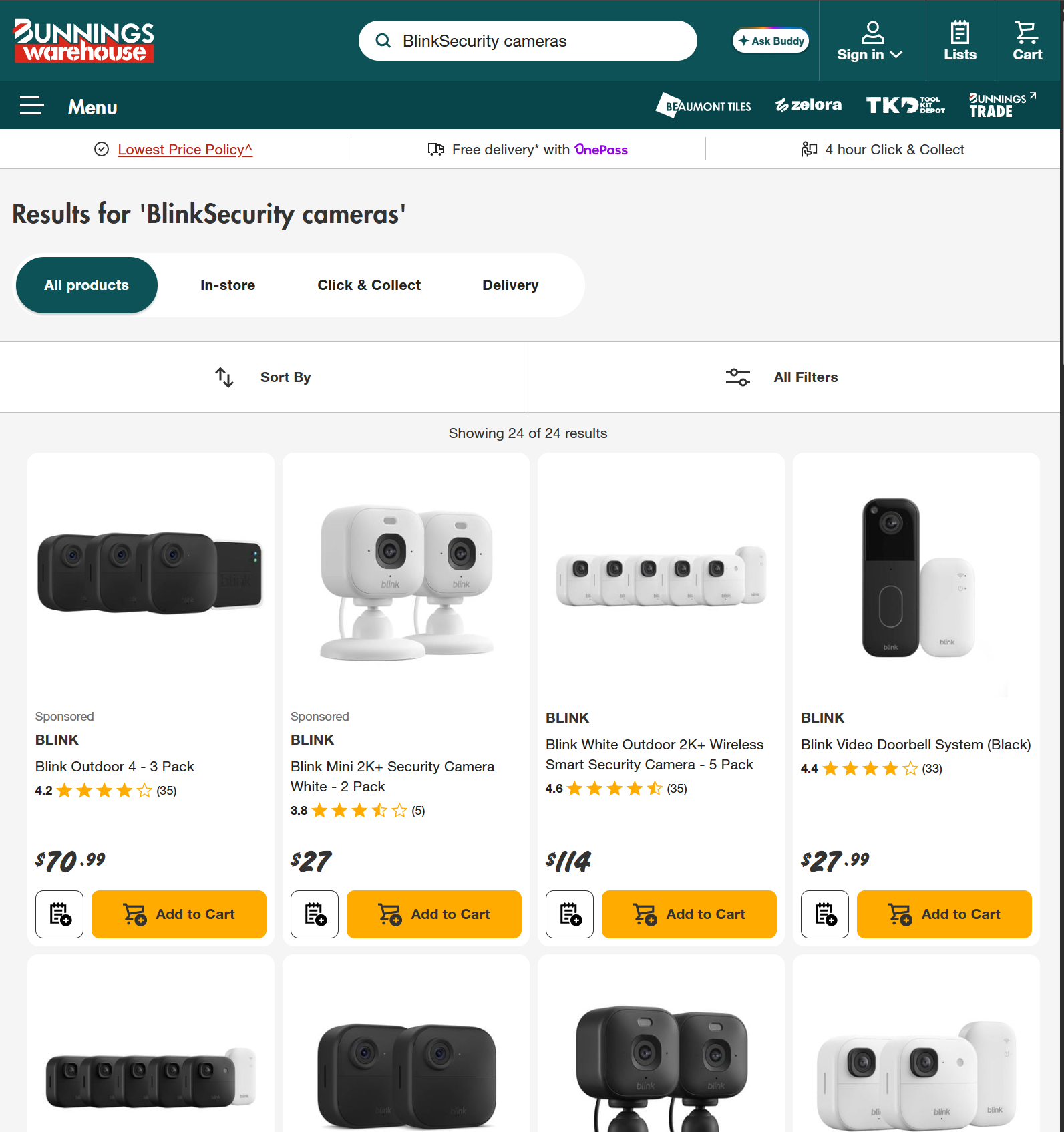
The result is a completed sale, but one that potentially wipes hundreds of dollars of revenue and gross profit from the original transaction.
The same issue applies to Amazon-owned Ring cameras, which are sold by retailers including The Good Guys.
Account Link Gives Amazon The Customer
The core concern for retailers is what happens after the sale.
In Australia, Blink requires customers who take out a subscription to link their Blink and Amazon accounts. Amazon states customers need an Australian Amazon account, a valid payment method and billing details to purchase or attach a subscription.
That means the retailer funds the cost of acquiring the customer, including advertising, store space, staff, inventory and promotions, while Amazon gains an installed device in the home, an account relationship and a payment method on file.
Industry sources said this gives Amazon a direct channel to sell subsequent cameras, subscriptions and other products, with no need for the original retailer to be involved.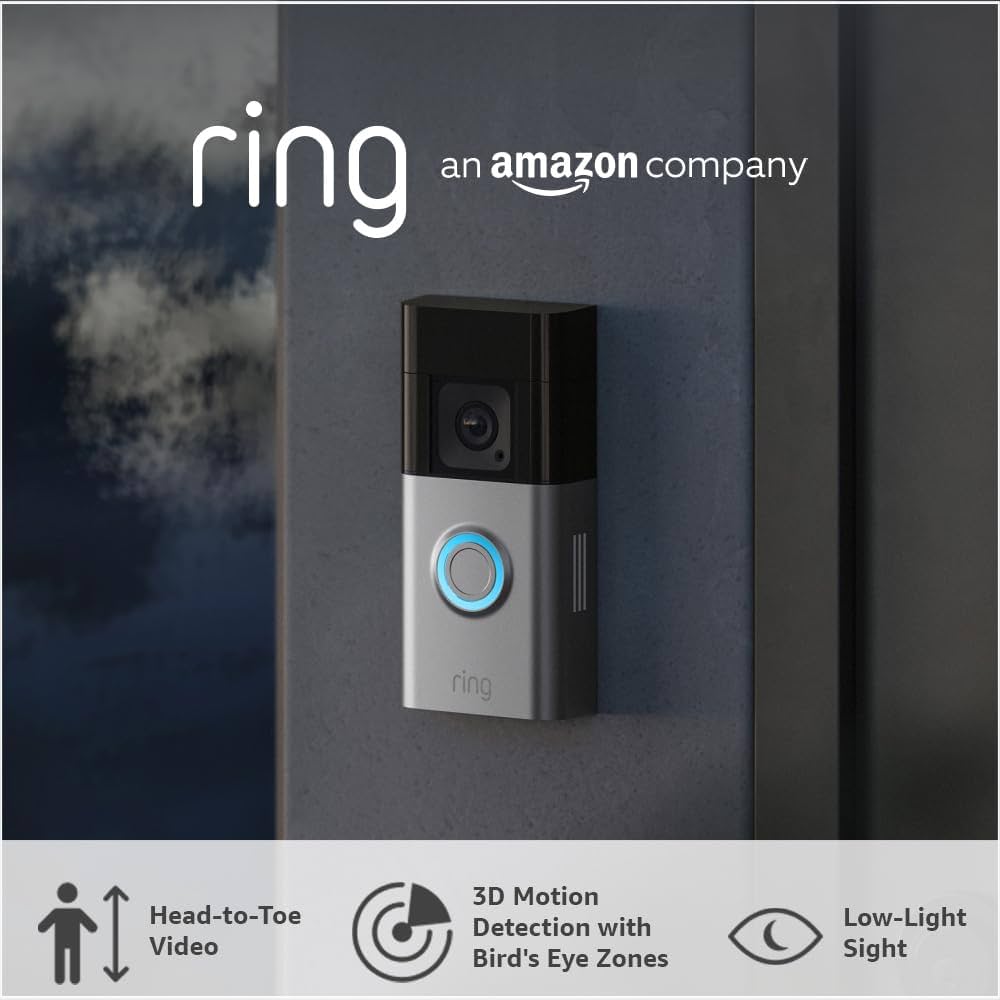
It also allows Amazon to price the hardware aggressively, because its returns come from the ongoing relationship rather than the initial hardware margin.
Alexa Advertising Push Adds Pressure
The concerns have sharpened following Amazon’s announcement in September 2026 that it would further integrate advertising into Alexa for Shopping conversations. Amazon described Alexa for Shopping as being used by hundreds of millions of customers to research, compare and buy products.
For retailers, the result is a business model in which they carry the inventory, pay for the store, employ the salesperson and close the first sale, while Amazon is positioned to monetise the customer for years afterwards.
Retail sources described the pattern as ASP compression, lower gross profit on the initial sale, and lifetime customer value migrating from the retailer to Amazon.
“The question retailers are now asking is whether they are being paid a small hardware margin to acquire customers for Amazon,” one source said.