Dreame Claim They Are #1 In Robotic Vacuum, So Do Roborock With Questions Raised About The Quality Of The Data
 David Richards
14 Jun 2026
David Richards
14 Jun 2026
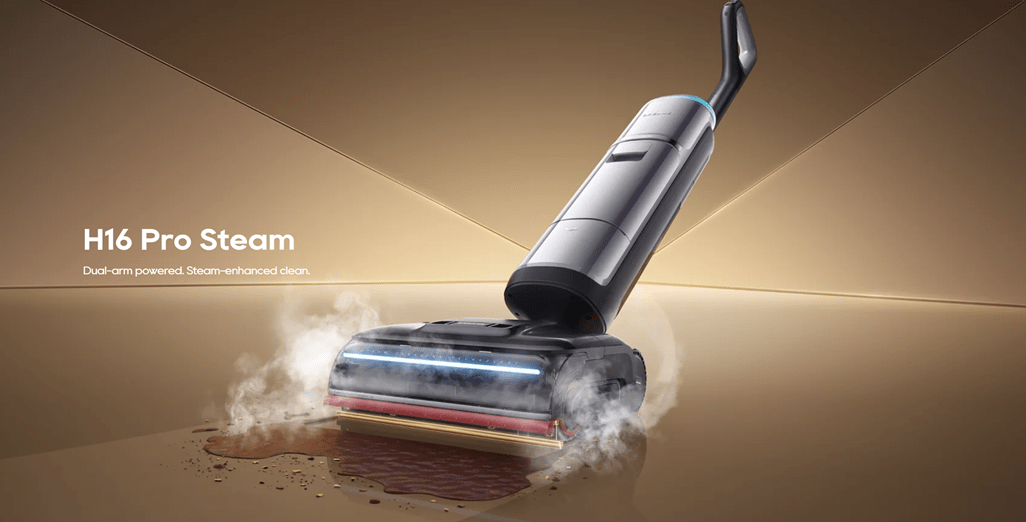
Chinese robot vacuum manufacturer Dreame is facing intense scrutiny over standard-issue corporate spin after launching a global and local Australian PR campaign claiming the “#1” market spot, a claim built on skewed metrics, self-reported data, and a controversial “pay-to-play” market research model.
While Dreame’s latest promotional blitz crowns the brand as the top robot vacuum manufacturer in Australia and globally for Q1 2026, independent market data tells a starkly different story.
According to annualized data from the International Data Corporation (IDC), Dreame actually sits at a distant third place in Australia over the past 12 months. Rival Chinese brand Roborock firmly commands the #1 position with a 24% market share, followed by Ecovacs at 14%. Dreame trails both with just 11%. Alternative data from Euromonitor places Dreame’s market share even lower, at just 12% compared to Roborock’s dominant 30% and Ecovacs’ 25%.
The glaring discrepancy highlights a systemic crisis of credibility within the tech research industry, exposing how brands manipulate data to manufacture “market leader” status.
The “Sell-In” Illusion: Stuffing the Channels
Industry insiders point out that Dreame’s claim to the throne relies entirely on “sell-in” data, the volume of inventory a manufacturer ships into retail warehouses, rather than “sell-through” data, which tracks actual purchases made by everyday consumers.
“The fact that Dreame is claiming number-one status does not mean their product is the number-one sold brand,” an industry analyst stated. “Stock shipped does not equal sell-through.”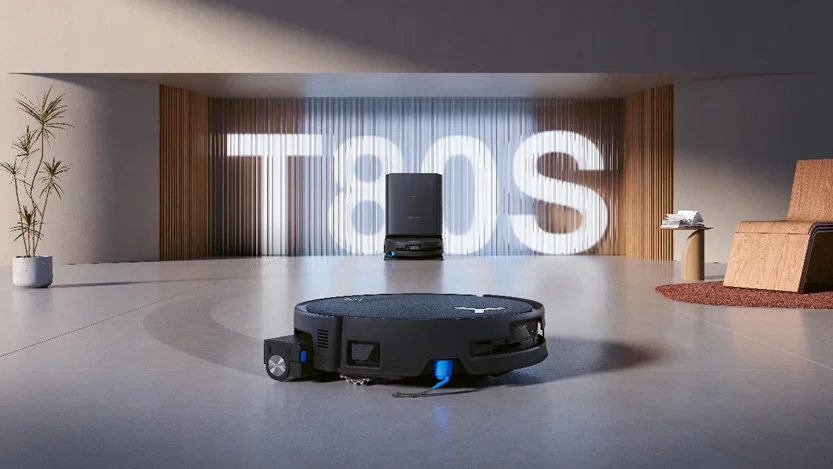
By aggressively discounting or forcing excess inventory onto retail partners to clear factory floors, a brand can artificially inflate its quarterly shipment numbers. In the tech tracking world, this warehouse bloating is masqueraded as organic market growth, entirely masking flat or falling consumer demand.
Compounding the tracking issue in Australia, retail data aggregator GFK no longer has access to direct sell-through data from the country’s largest appliance giants, including JB Hi-Fi, Harvey Norman, and The Good Guys. This leaves the market highly vulnerable to unverified corporate claims.
Inside the “Pay-to-Play” Research Machine
The controversy pulls back the curtain on the structural conflicts of interest embedded within premier market research firms like IDC. When the tech vendors being tracked are also the paying clients funding the research, objectivity is often the first casualty.
Experts identify four core systemic failures driving these inflated market narratives:
The Methodological Echo Chamber: Research firms heavily rely on unaudited data supplied directly by the manufacturers. If a paying client overstates shipments to hit quarterly targets, research firms have a strong commercial incentive to accept the numbers at face face value rather than launch aggressive audits.
Commercial Asymmetry: Major paying clients wield immense financial leverage. If a high-paying vendor disputes a drop in their market share, they can use their subscription revenue to force a data “re-evaluation.” Non-paying competitors possess no such leverage.
Creative Categorization: To keep clients happy, research firms frequently fracture data into hyper-specific, artificial sub-categories. By slicing the market thin enough, virtually any brand can buy a report that crowns them “#1” in a fabricated niche.
The Reciprocal PR Ecosystem: Research firms generate lucrative revenue by licensing their data out for corporate press releases and investor decks. Because brands refuse to pay for reports showing they are losing ground, research firms are inherently incentivized to generate hyper-optimistic, growth-oriented data.
History Repeats Itself
This is not the first time data supplied by Chinese tech manufacturers and verified by third-party research groups has collapsed under scrutiny.
Years ago, a major controversy erupted in the Australian tech sector when IDC claimed that Sony, Apple, and Mitsubishi held the top spots in the 21-inch monitor market. When journalists now working with ChannelNews, challenged the data and audited official Australian Customs (now Australian Border Force) shipping manifests, they discovered the actual volume of physical hardware entering the country was less than half of what IDC had officially reported to the public.
While the robot vacuum landscape has shifted dramatically, with legacy pioneer iRobot (Roomba) collapsing from market leader to a minor player under the weight of severe financial distress, the tactics used to claim dominance have remained unchanged.
As Dreame continues its aggressive marketing push, the reality on the ground remains unchanged: shipping boxes into a warehouse does not equal winning the market.
Until research firms transition away from the “pay-to-play” model, corporate market share claims will continue to be viewed as a manufactured commodity rather than an economic reality.
The problem in Australia is that GFK does not have access anymore to sell through data from retailers such as JB Hi Fi. Harvey Norman or The Good Guys who sell the bulk of robotic vacuum cleaners.
The fact that Dreame is claiming number one status does not necessarily mean that their product is the #1 sold brand with stock shipped not equaling sell through.