Denon and Harman Move to Crush Sonos as Retailers Shift and Pressure Mounts
 David Richards
25 Mar 2026
David Richards
25 Mar 2026
Sonos is facing one of the most serious competitive threats in its history, as a resurgent Denon—backed by Samsung-owned audio powerhouse Harman—launches a direct assault on the multi-room speaker market in Australia.
The timing could hardly be worse for the embattled US company.
Just days after Sonos attempted to reposition itself with a push into lower-cost speakers, the brand is now under intensifying pressure from retailers, rivals, and its own internal missteps. Industry sources suggest that major chains such as JB Hi-Fi are already reallocating floor space to Denon’s newly launched Home speaker range, signalling a potential shift away from Sonos dominance in the category.
The Denon offensive is being driven by Harman, which has rapidly consolidated its position as a global “house of brands” following its acquisition of Sound United. With control of Denon, JBL, and a deep portfolio spanning premium through value segments, Harman now has the scale—and retail leverage—to challenge Sonos head-on.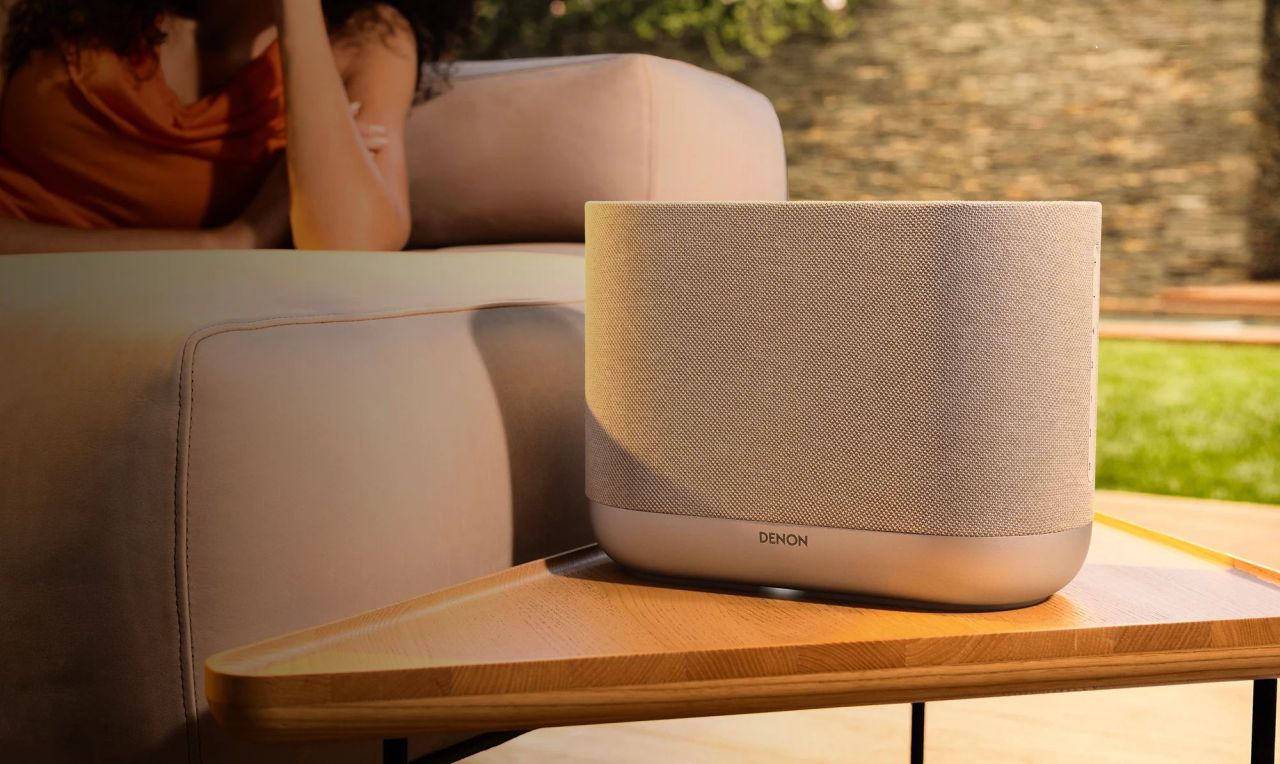
Retail Shift Signals Trouble
Retail support has long been critical to Sonos’ success. But that advantage appears to be eroding.
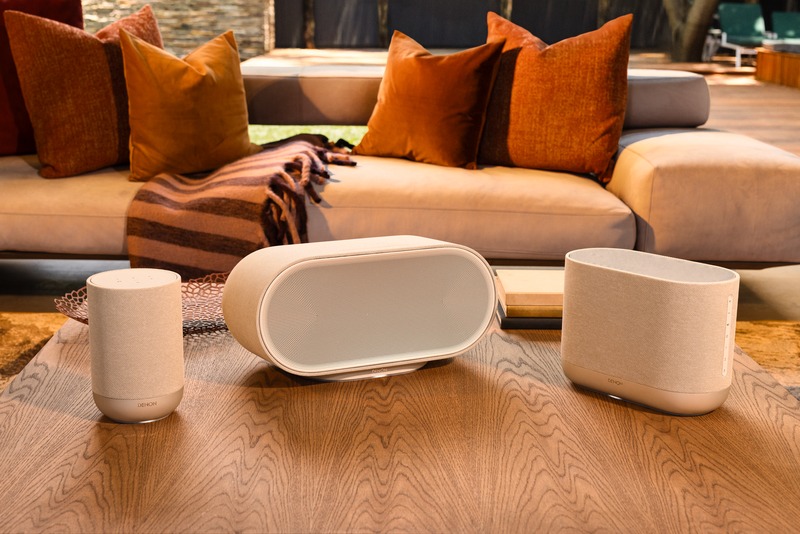
Denon’s new Home 200, 400 and 600 speakers are being pitched as fresh, high-performance alternatives in a category where Sonos has delivered limited recent innovation. Retailers, frustrated by sluggish updates and customer backlash tied to Sonos’ troubled app overhaul, are increasingly open to alternatives.
Sonos’ software missteps—including an upgrade widely criticised for degrading performance—have compounded earlier controversies, including attempts to phase out legacy products. The fallout has hit both consumer trust and sales, with the company now grappling with declining revenue and profitability.
Adding to the uncertainty, speculation continues to swirl that Sonos may be exploring a potential sale.
Ecosystem War Intensifies
At the core of the battle is not just hardware—but ecosystems.
Sonos built its reputation on seamless multi-room audio software. But Harman is now countering with a broader strategy: multi-brand integration, deep hardware capabilities, and expansion into automotive and smart home ecosystems, increasingly tied to Samsung’s global platform.
Denon’s HEOS ecosystem is central to that push. The new Home speakers support connectivity across up to 64 devices and 32 zones, integrating streaming services such as Tidal, Amazon Music HD and Qobuz, alongside Dolby Atmos Music support.
Crucially, Harman’s scale allows it to compete across multiple price tiers simultaneously—something few independent hi-fi brands can match.
Denon and Harman Move to Crush Sonos as Retailers Shift and Pressure Mounts
The new Denon lineup has been engineered to take on Sonos across the board:
Home 200 (A$699): Compact but powerful, featuring dual tweeters and a 4-inch woofer, with stereo pairing and home theatre integration.
Home 400 (A$999): Adds up-firing drivers for a wider, more immersive soundstage.
Home 600 (A$1,499): A flagship model delivering deeper bass and full-room audio with multiple drivers and amplifiers.
All models feature Wi-Fi, Bluetooth, USB-C and aux connectivity, wrapped in design-focused finishes aimed at blending into modern interiors.
A Market Turning Against Sonos
The broader competitive landscape is also tightening. Bose, Sony and Apple—reportedly preparing a new wave of voice-enabled speakers—are all targeting the same connected home audio segment.
But it is Harman’s aggressive consolidation strategy that may pose the most immediate threat.
With Denon positioned as a core AV and home theatre brand within the Samsung ecosystem, and JBL dominating retail visibility, Harman now has both the product depth and distribution muscle to squeeze Sonos from multiple angles.
For Sonos, the challenge is no longer just about product—it’s about survival in a market that is rapidly consolidating around global giants.
And right now, the balance of power is shifting.