David vs. Goliath in the Aisles: The Hardware War Exploding in Federal Court Around Bunnings
 David Richards
19 Feb 2026
David Richards
19 Feb 2026

Bunnings Warehouse — the Wesfarmers-owned hardware titan that dominates Australia’s suburbs with its cavernous green sheds — is back under fire.
This time, the fight isn’t coming from regulators or environmental activists. It’s coming from a family hardware business in regional Queensland.
In the Federal Court, a Jimboomba Mitre 10 franchisee has launched a high-stakes competition law battle against the multi-billion-dollar retail giant, accusing Bunnings of weaponising its enormous market power to crush smaller rivals.
At the heart of the case is a block of land.
In 2019, Bunnings allegedly purchased a vacant site directly next to the Woodman family’s Jimboomba store — a family-owned, multi-generational operation — with plans to build a warehouse eight times the size of the existing Mitre 10. The move came despite Bunnings already operating three stores within a 30-kilometre radius.
To the Woodmans, it wasn’t expansion. It was a show of force.
They allege Bunnings’ strategy was simple: build big, build close, and squeeze the independent operator out.
Now, the Woodman family — operating under the Woodman Group (Garnet Enterprises Pty Ltd) and long-standing members of the Mitre 10 cooperative — is asking the court for something unusual but telling: protection.
They’ve sought a “protective costs order,” essentially asking the court to shield them from being bankrupted by Bunnings’ legal fees if they lose.
The request underscores the imbalance at the centre of the case.
On one side stands a local, family-run business. On the other stands a retail powerhouse backed by Wesfarmers — one of Australia’s largest listed companies — with the resources to fund years of litigation.
Without the protective order, the Woodmans argue, the financial risk alone could force them to abandon the fight before it’s properly heard.
It’s the legal embodiment of David vs. Goliath.
The case taps into long-running criticism that Bunnings uses its scale and capital to overwhelm smaller competitors — opening enormous stores in close proximity to family businesses, dominating supply chains, and leveraging its size to dictate terms to suppliers.
Independent retailers and industry watchers have for years accused the hardware giant of engaging in “predatory” behaviour — a strategy built not just on competing, but on outlasting.
Investigations by ABC’s Four Corners and a Senate Inquiry in 2024–2025 shone a spotlight on aggressive practices across the sector. Critics questioned the effectiveness of Bunnings’ heavily marketed “10% Price Guarantee,” arguing that the policy is often impossible to activate because many of the products are exclusive home-brand lines, making direct price comparisons difficult.
Small suppliers have also alleged they were pressured into steep rebates and price concessions, sometimes at crippling cost.
Meanwhile, Bunnings has faced scrutiny on other fronts.
In late 2024, Australia’s Privacy Commissioner ruled the retailer had breached privacy laws by deploying facial recognition technology in 63 stores between 2018 and 2021, affecting hundreds of thousands of customers. Bunnings ultimately succeeded in overturning that ruling — in what became an embarrassing reversal for the regulator.
In January 2026, the Wilderness Society lodged a complaint with the ACCC alleging Bunnings engaged in “greenwashing,” claiming the retailer sold timber potentially sourced from illegally logged native forests while marketing products as “responsibly sourced.” If proven, the allegations could strike at consumer trust in one of the company’s key brand pillars.
But for the Woodman family in Jimboomba, the fight is closer to home.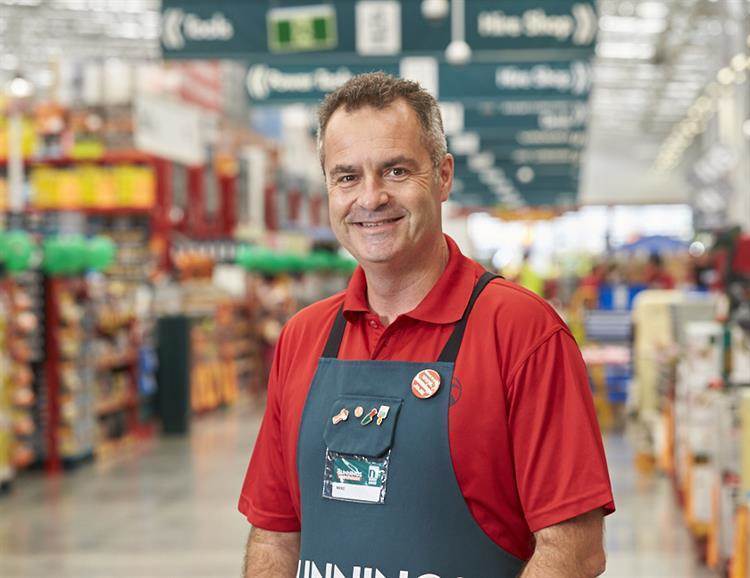
They say this case isn’t just about one block of land — it’s about whether independent operators can realistically challenge a corporate giant without risking financial ruin.
The turf war between Bunnings and Mitre 10 is nothing new. In New Zealand, regulators have previously taken action against a Mitre 10 operator over land covenants designed to block Bunnings from entering certain markets — proof that the battle between the two brands is fierce, strategic and often fought in courtrooms rather than store aisles.
Now, that battle has arrived in Jimboomba.
The Federal Court will ultimately decide whether Bunnings’ expansion was lawful competition — or misuse of market power.
But before that question is answered, another looms large:
In modern retail Australia, can a family business afford to take on a giant — even if it believes it’s right?
Because in this hardware war, David isn’t just fighting Goliath.
He’s fighting the cost of stepping onto the battlefield at all.