David Jones Closures Could Hurt Major Shopping Centres for Three Years, UBS Warns
 Emma Wheaton
24 Nov 2026
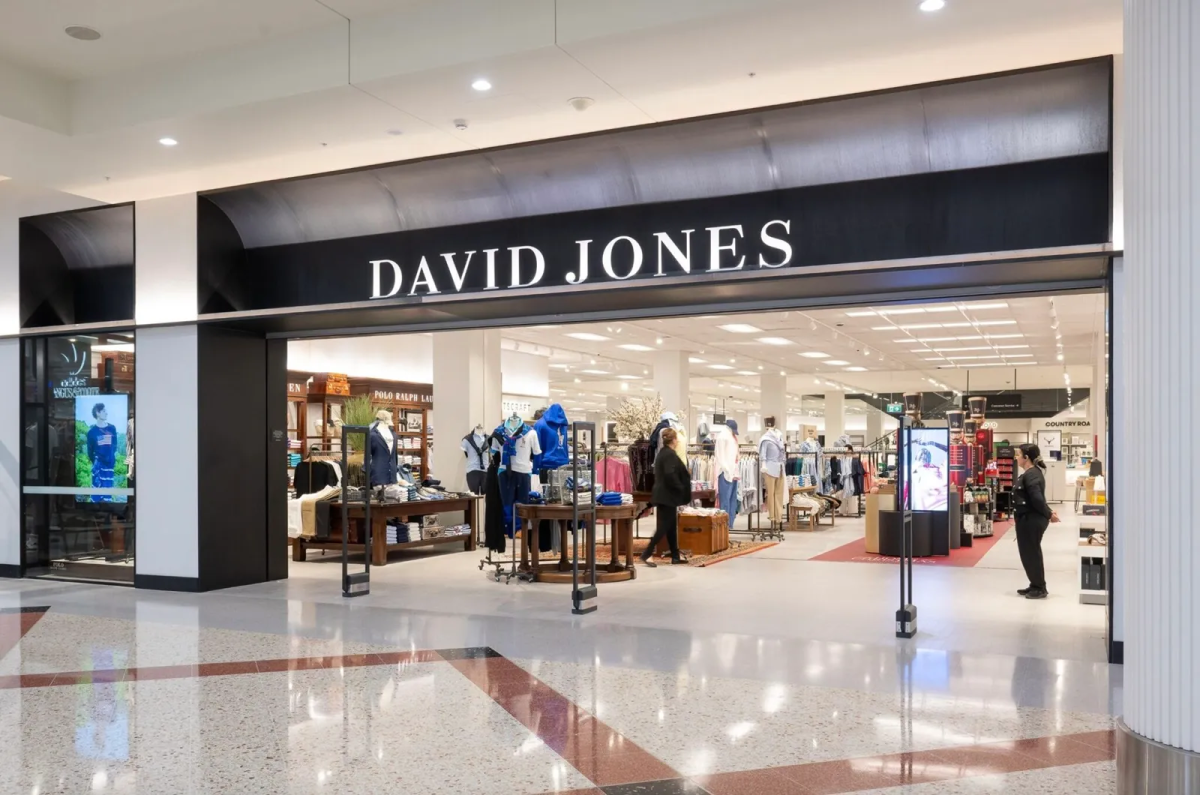
The planned closure of 19 David Jones stores in Australia and New Zealand could create a financial headache for major shopping centre owners, with investment bank UBS warning that the impact on some properties could last as long as three years.
In a new assessment of the retail property sector, UBS warned that replacing the department store’s large-format retail spaces will be challenging, particularly in shopping centres that already have competing anchor tenants and in the face of subdued retail conditions.
The warning comes after David Jones entered voluntary administration in November, with receivers confirming plans to shut 19 of its 38 stores as part of a major restructuring of the 188-year-old retailer.
The closures will affect shopping centres across several Australian states, including Westfield Parramatta, Robina Town Centre, Westfield Marion and other major suburban retail destinations.
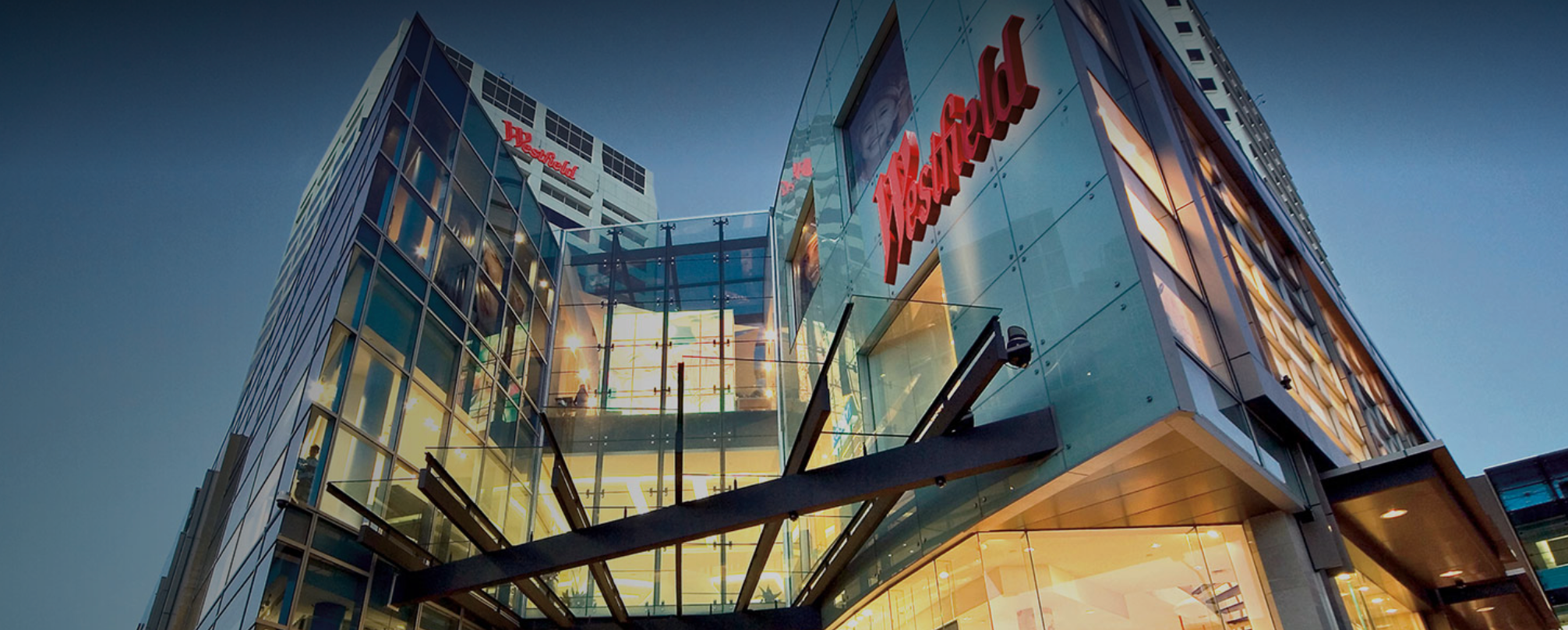
Scentre Group, the owner and operator of Westfield shopping centres in Australia and New Zealand, is particularly exposed to the fallout. The company has 17 David Jones stores across its portfolio, nine of which are earmarked for closure.
According to UBS, the landlord could face the challenge of redeveloping approximately 100,000 square metres of retail space as the department store exits its locations.
Finding replacement tenants will not necessarily be straightforward. Department stores traditionally occupy substantial floor areas and serve as major shopping centre anchors, helping generate customer traffic for surrounding retailers.
The potential replacement tenants that would be capable of taking over such large spaces is relatively limited.
UBS identified retailers including Aldi, Kmart and Big W as potential occupants, alongside smaller retailers that could take over portions of the vacated premises.
The problem for landlords is that these businesses are unlikely to pay the same rents as David Jones under its existing agreements.
UBS estimates replacement tenants could pay approximately $650 per square metre, which is significantly below Scentre Group’s portfolio average of $942 per square metre.
Notably, David Jones was actually paying an average of $352 per square metre, highlighting the potential difficulty of maintaining rental income even when replacement businesses are secured.
Scentre Group does have some short-term protection through bank guarantees associated with its David Jones leases. However, UBS warns that these arrangements could run out by around mid-2027, potentially exposing the landlord to further financial pressure if replacement tenants have not been secured.
The concerns highlight a broader challenge facing Australia’s shopping centre industry as traditional department stores lose their influence as major retail anchors.
Department stores accounted for just 5.9% of turnover at Australian regional shopping centres in 2026, down from 14.4% in 2006, according to research from the Shopping Centre Council of Australia and Urbis.
Scentre Group has, however, remained optimistic about its ability to manage the transition. Chief executive Elliott Rusanow previously said the company’s shopping centres were 99.8% occupied, with strong demand for retail space.
The group has described the closures as an opportunity to introduce new local and international brands, as well as expand customer-focused experiences across its Westfield destinations.
Other industry observers also believe shopping centres could eventually benefit from replacing traditional department stores with a broader mix of retailers, entertainment, health services and lifestyle businesses.