LG Display Cancels $2.5 Billion OLED Factory Plan, Shifts Focus to 111-Inch Panels
 Emma Wheaton
24 Nov 2026

LG Display has officially abandoned its long-delayed plan to build a new 10.5-generation OLED manufacturing facility in South Korea, bringing an end to a $2.5 billion investment project. Instead, the company looks set to maximise production at its existing factories with plans to adapt to changing demand for OLED TVs and gaming monitors.
The decision was confirmed in a regulatory filing on November 19, seven years after LG Display announced its plans to develop the facility at its P10 plant in Paju, north of Seoul. The proposed factory was intended to manufacture OLED panels measuring 65 inches and larger, with a particular focus on ultra-large televisions.
Mass production was originally scheduled to begin in the first half of 2022. However, the project encountered repeated delays, with LG Display extending its investment deadline to March 2028 in 2023.
Now the company has concluded that proceeding would not align with its strategy of improving profitability, according to reported translation of the company’s filing.
LG Display cited several external challenges that affected the original investment decision, including the COVID-19 pandemic, the Russia-Ukraine war, geopolitical uncertainty, high inflation and elevated interest rates.
However, changing consumer demand appears to also be an important factor behind the cancellation.
When the project was first announced, the company expected strong growth in the market for large and ultra-large OLED televisions. That growth has been slower than anticipated, with the transition from traditional LCD televisions to OLED technology also progressing more gradually than expected.
Meanwhile, demand for premium OLED gaming monitors has increased, creating a different opportunity for display manufacturers.
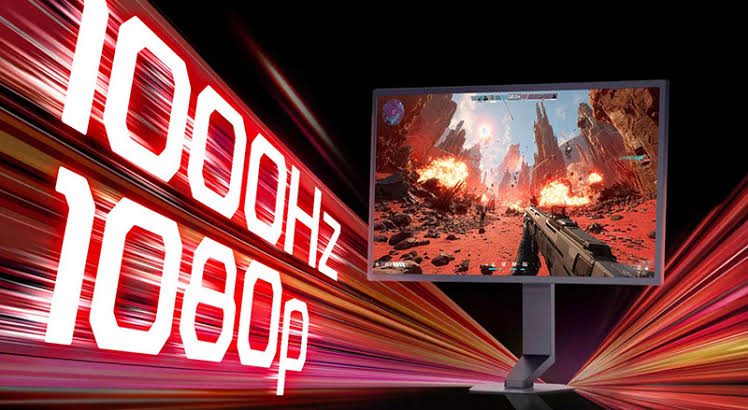
Rather than committing billions of dollars to a new production facility designed primarily for oversized television panels, LG Display now intends to make greater use of its existing manufacturing infrastructure.
The company currently produces large OLED panels at its 8.5-generation facilities in Paju and Guangzhou, China. These factories will continue supplying television panels while also supporting growing demand for gaming monitors.
Interestingly, abandoning the 10.5G project does not mean LG Display is giving up on extremely large OLED televisions.
The company and its Chinese partners are planning upgrades to existing 8.5-generation manufacturing facilities to support OLED panels measuring up to 111 inches. This could eventually allow manufacturers to introduce even larger OLED televisions without requiring entirely new production facilities.
Ultimately, LG Display’s decision highlights how the economics of OLED manufacturing have changed since 2019. No longer betting heavily on ever-larger televisions, the company appears to be prioritising flexibility, existing production capacity and product categories that have stronger commercial opportunities.