Crunch Time: Big W Pivots to House Brands as Losses Mount and “Anko” Envy Takes Over
 David Richards
17 Apr 2026
David Richards
17 Apr 2026

In a desperate bid to stem a tide of financial instability, Big W is aggressively shifting its strategy toward low-cost house brands—a move insiders say is a direct attempt to mimic the “Anko” phenomenon that has turned rival Kmart into a retail juggernaut with Big W buyers at this weeks Hong Kong Fair meeting with Chinese manufacturers to source products.
But while management chases the high margins of private-label goods, reports from the front lines suggest the transition is off to a rocky start, plagued by sluggish sales and a cooling relationship with long-term suppliers.
At this years Hong Kong Fair Big W Buyers are shopping for manufacturing partners with claim distributors with BIG W buyers are also chasing down where past supplers to Big W are sourcing their goods from.
The “Anko” Shadow
The catalyst for this shift is no secret, at the Wesfarmers-owned Kmart over 85% of its inventoryis now comprised of its own “Anko” brand, Kmart has effectively removed the middleman, sourcing directly from overseas factories to capture profits that previously went to branded distributors.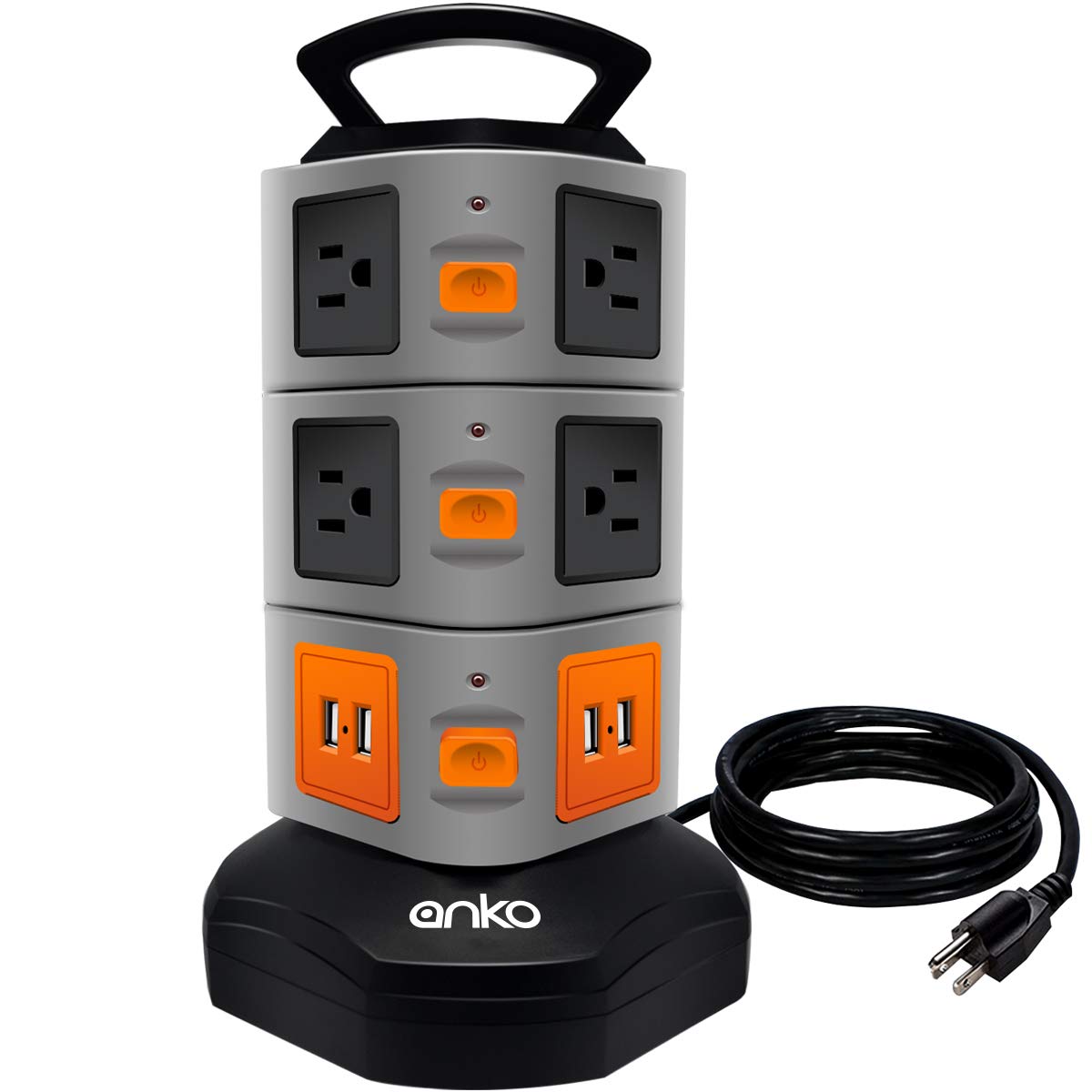
Industry analysts confirm that Big W’s parent company, Woolworths Group, has watched Kmart’s success with growing anxiety. At this year’s Hong Kong Fair, Big W buyers were reportedly seen scouting manufacturers with a specific mandate: find products that can compete with the Wesfarmers model, particularly in the Consumer Electronics (CE) space.
Margin Chasing vs. Consumer Reality
The pivot is already visible in Big W’s electronics aisles, where the EKO brand—supplied by Sydney-based Ayonz—has taken center stage. However, the strategy is reportedly hitting a wall at the checkout.
Floor staff at multiple locations, including two Queensland stores, have told ChannelNews that EKO products—specifically $20 earbuds and speakers designed to mimic premium aesthetics—are failing to generate “meaningful” sales.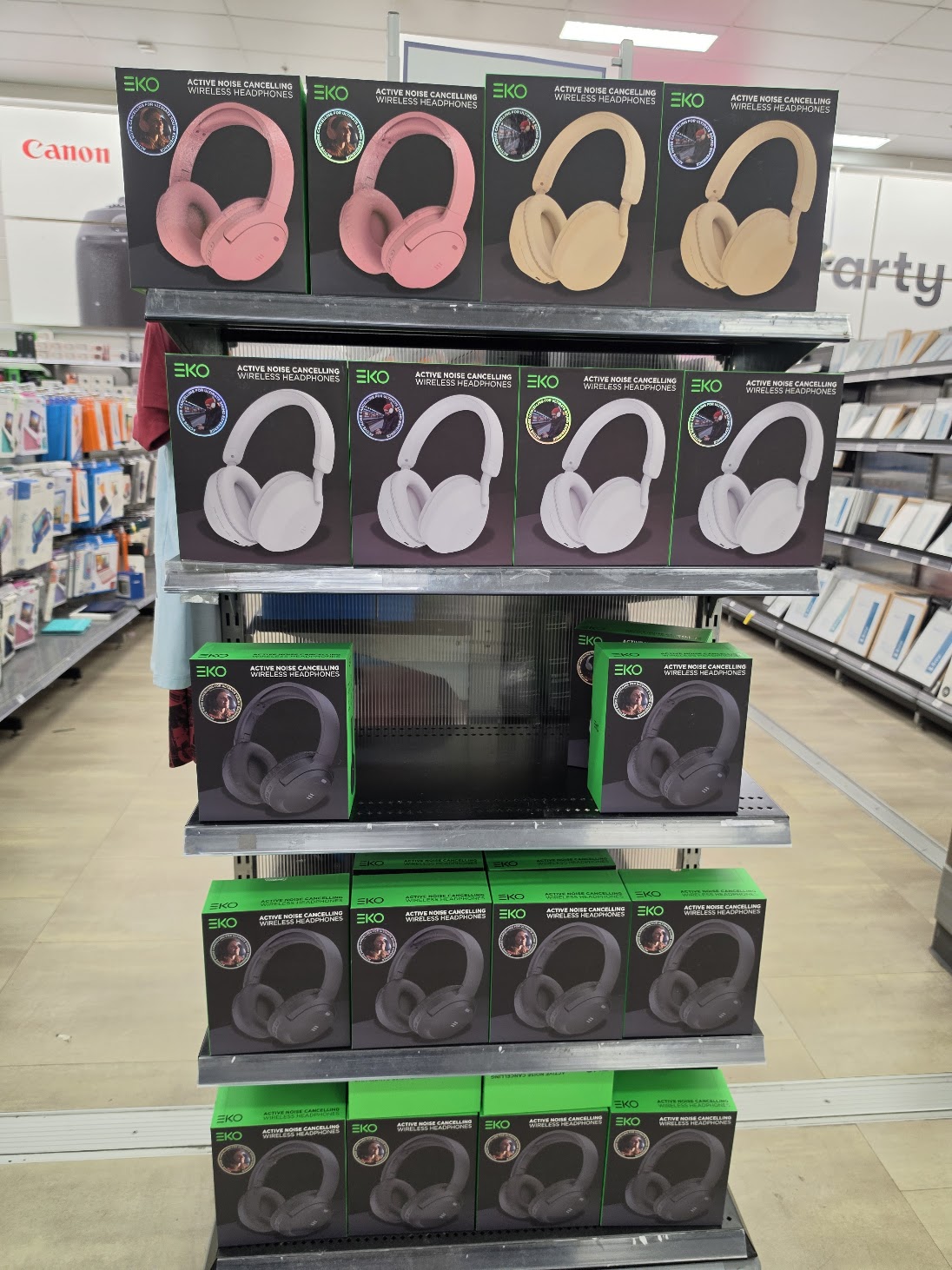
“The product just isn’t moving,” one staff member said. “Customers are seeing the cheap price tag, but they aren’t buying into the ‘premium look’ facade.”
Furthermore, the aggressive push for house brands has soured relations with traditional distributors. Sources indicate several major CE suppliers recently walked away from the bargaining table, refusing to meet Big W’s increasingly stringent trading terms or match the rock-bottom pricing offered by distributors who are sourcing cheap Chinese-sourced private labels products.
Financial Bloodletting
The strategic shift comes as Big W finds itself in a “financially weak” position. The numbers tell a grim story of a retailer struggling to find its footing:
FY25 Performance: A staggering $35 million loss, a sharp reversal from the $14 million profit recorded in FY24.
EBIT Collapse: Earnings Before Interest and Tax (EBIT) plummeted 46% in the first half of FY25.
Flatlining Sales: Sales for the first four months of 2026 have remained flat, despite heavy discounting.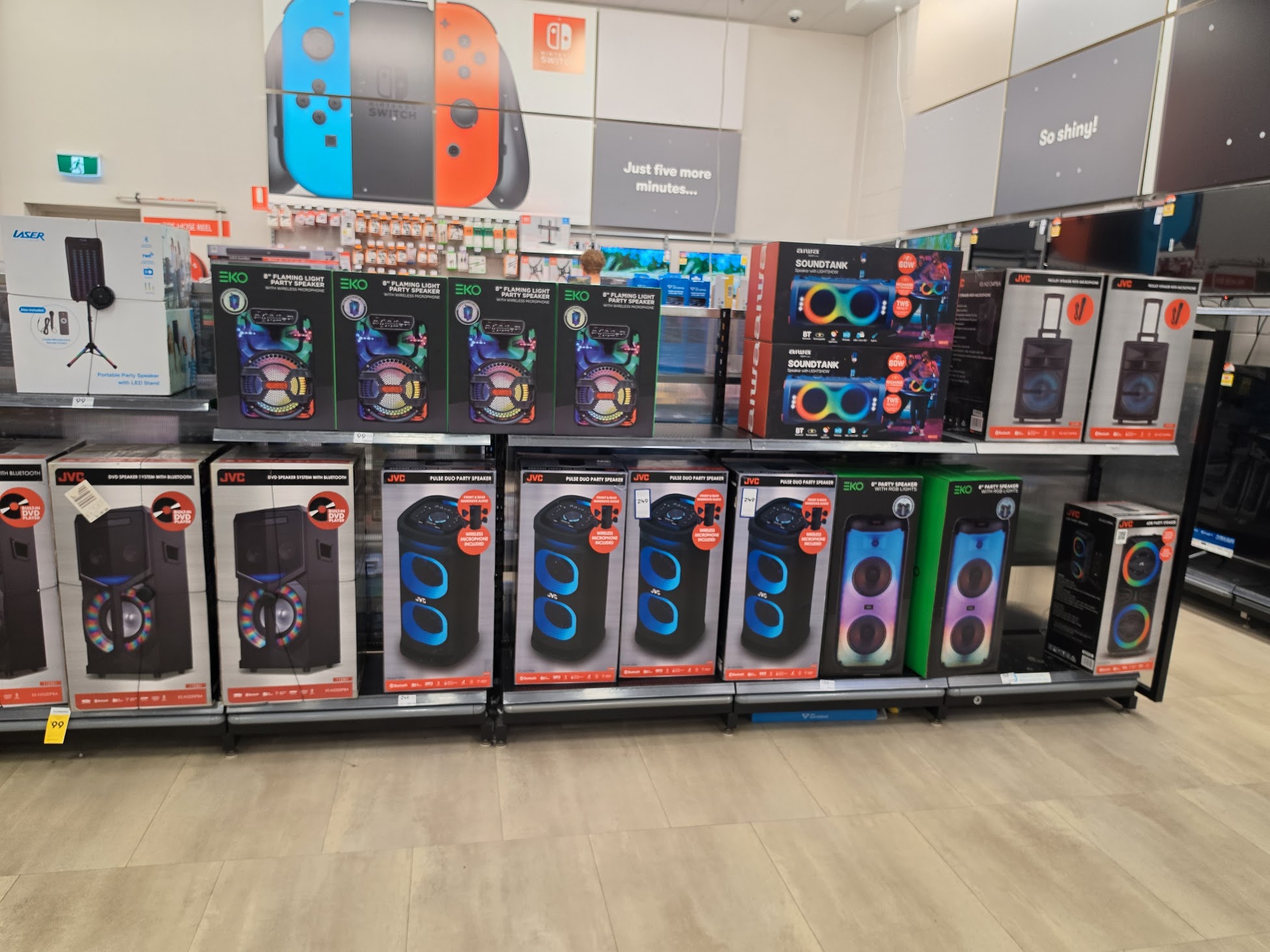
While online traffic has seen double-digit growth, the physical stores remain a liability. One industry source summarized the crisis as a “structural profitability” trap. “Big W is growing units but losing money,” they noted. “They are relying on heavy discounting to drive foot traffic, but that revenue isn’t translating into profit. It’s a classic volume versus margin problem.”
The Road Ahead: Reinvention or Exit?
Woolworths Group has publicly labeled Big W’s performance as “below expectations.” The company is currently pinning its hopes on a massive restructuring plan, which includes moving Big W to a new technology platform and doubling down on “value and affordability.”
However, with Kmart dominating the low-cost sector and Target still a major player, analysts are beginning to question the long-term viability of a three-player market.
As Big W pushes to return to profitability in FY26, the question for investors is no longer just about survival—it’s whether the retailer can successfully “Kmart-ify” its business before it is downsized, sold, or forced out of the market entirely.