Console Shipments Set To Drop Almost 20% As High Prices Hit Consumer Demand
 Emma Wheaton
14 Jul 2026
Emma Wheaton
14 Jul 2026
Analysts predict global gaming console shipments will fall sharply in 2026, with rising hardware prices, ageing platforms and a lack of blockbuster software to blame for the fall in demand from consumers.
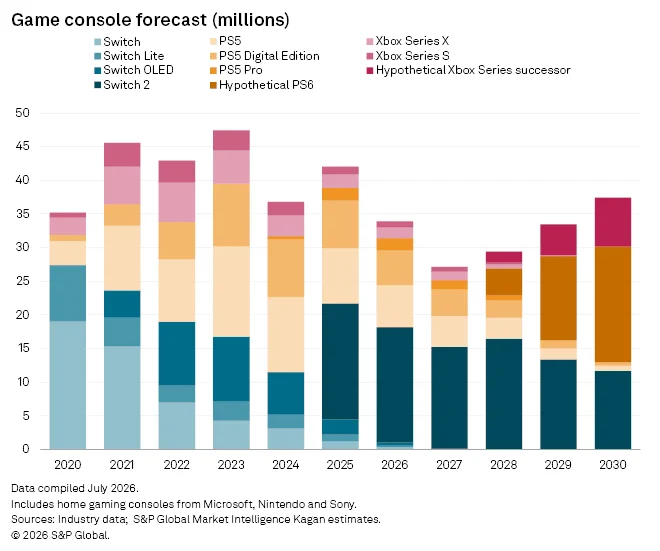
According to new research from S&P Global Market Intelligence Kagan, worldwide shipments of home gaming consoles from Sony, Microsoft and Nintendo are expected to decline 19.5% this year to 33.9 million units.
The drop follows a surge in 2025, when the launch of Nintendo’s Switch 2 drove global shipments up 13.5 per cent to 42.1 million units.
S&P said the downturn reflects a combination of higher retail pricing, driven by the ongoing RAM and storage component shortage, and limited software releases capable of convincing consumers to upgrade.
“The market faces a compounding problem,” said S&P Global Market Intelligence analyst Neil Barbour. “Hardware is either too old or too expensive for the median consumer, the software slate is thin outside a handful of tentpole releases, and the broader economic environment leaves little room for meaningful price reductions.”
The analyst firm said it expects console shipments to continue declining to around 27.1 million units in 2027 before recovering later in the decade to reach 37.4 million units by 2030.
The recovery depends upon component pricing easing by 2028.
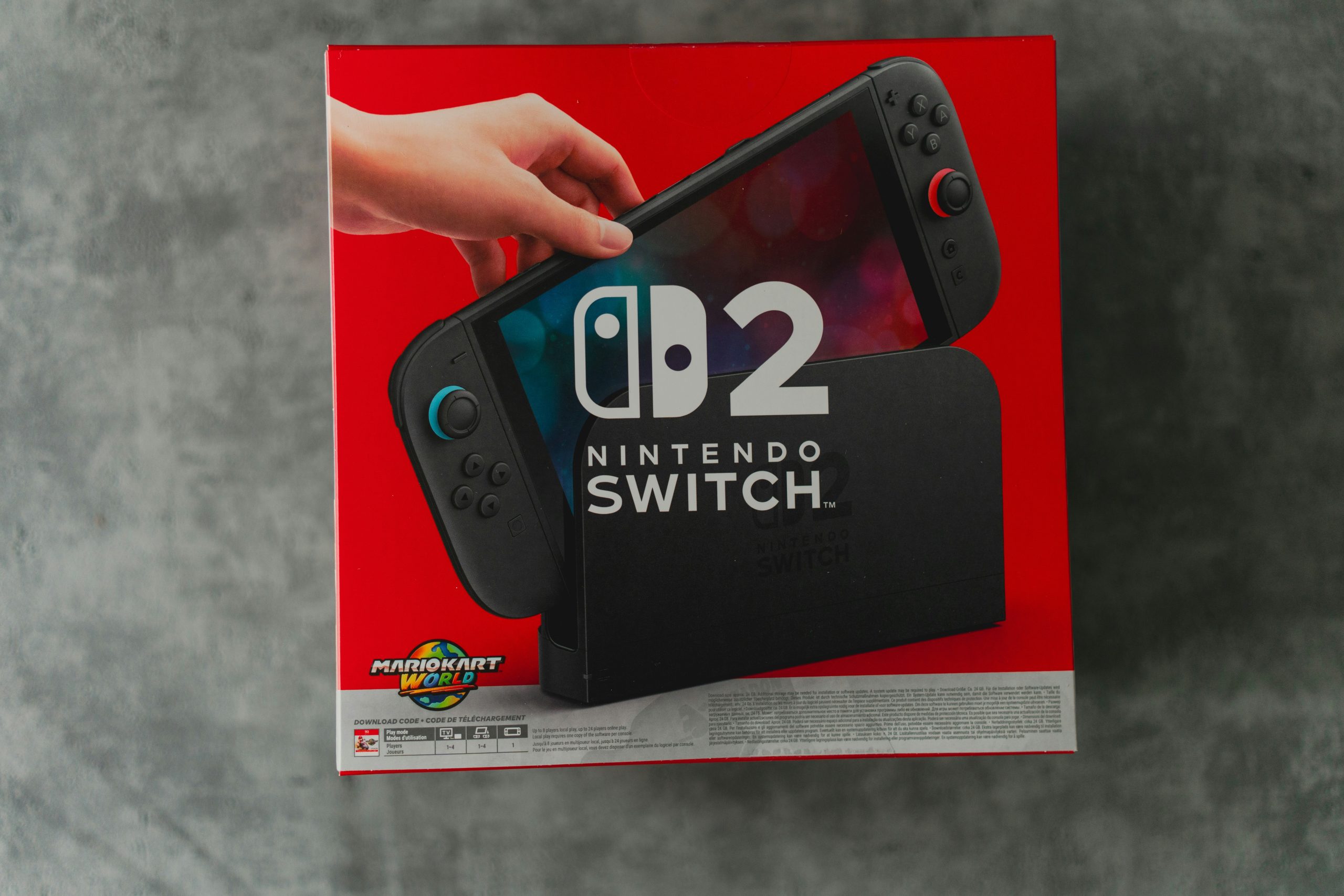
Nintendo Switch 2
During 2026, S&P forecasts Nintendo will ship 17.1 million Switch 2 consoles, a figure that generally matches the second-year performance of the original Switch and Wii.
Nintendo itself expects slightly lower sales of 16.5 million units during the console’s second fiscal year.
Analysts said the recent approximate price increase of A$72 is likely to weigh on demand. The release schedule also remains a concern, with Pokémon Wind and Waves not expected to come out until late 2027.
PlayStation 5
Sony’s PlayStation 5 also faces increasing pressure.
After shipping 17.1 million units in 2025 (down 15.2% year-on-year) S&P expects shipments to fall further to 13.2 million units during 2026.
Sony increased pricing across the PS5 range in April due to higher component costs.
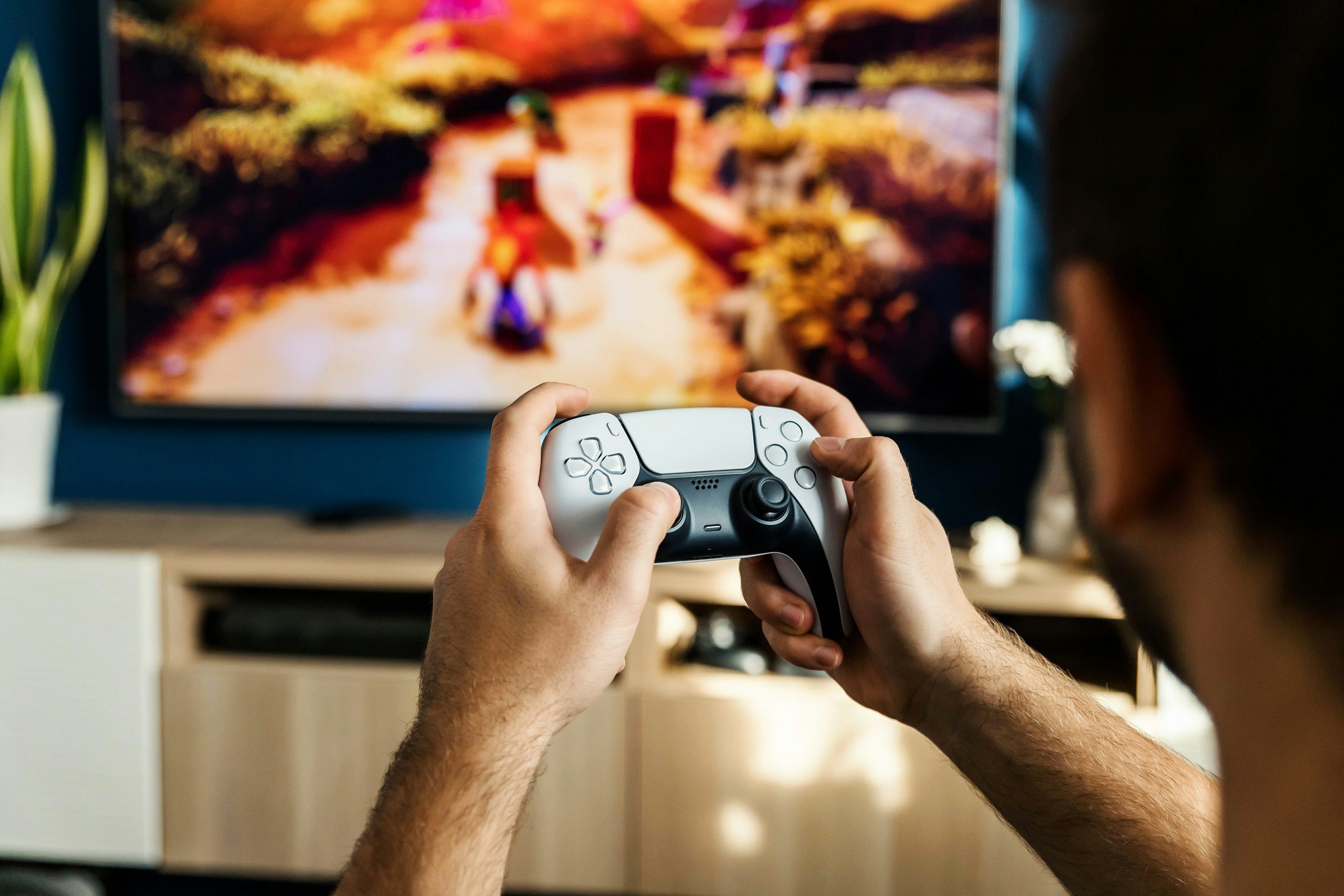
Analyst Barbour said convincing consumers to pay significantly more for a six-year-old platform will become increasingly difficult.
He also questioned whether the expected release of Grand Theft Auto VI will be sufficient to drive a meaningful hardware upgrade cycle despite strong interest in the game.
S&P’s forecast assumes Sony launches a PlayStation 6 during 2028, with sales reaching around four million units in its first year before climbing to 17.2 million units by 2030.
Xbox
Microsoft’s Xbox business remains under the greatest pressure.
The company shipped just 3.2 million Xbox Series X/S consoles in 2025, its weakest annual performance on record. In the first quarter of 2026, quarterly shipments fell below 500,000 units for the first time.
S&P expects Xbox Series shipments to decline again this year to approximately 2.5 million units before tapering off rapidly as Microsoft prepares its next-generation hardware.
Barbour attributed the slowdown to a combination of inconsistent first-party software, Microsoft’s subscription-led strategy failing to materially lift hardware sales, and pricing that leaves the Xbox Series X more expensive than a standard PlayStation 5.
The next-generation Xbox, codenamed Project Helix, is expected to blur the distinction between console and PC gaming by supporting Xbox and Windows games, and backwards compatibility.
S&P forecasts Microsoft’s next-generation platform will sell around two million units during its launch year, growing to approximately 7.3 million units by 2030.
However, Barbour cautioned that Microsoft’s long-term console strategy remains uncertain.
“A fully open PC platform with Xbox branding would not really resemble a console and likely would not be counted in this model,” he said.
“Our forecast effectively splits the difference between a traditional Xbox successor and an Xbox certification program for PC manufacturers. Microsoft’s trajectory beyond 2027 remains highly dependent on decisions the company has yet to announce.”