Claims Open AI Looking To Sell 30M Jony Ive Designed Smartphones Next Year Built By iPhone Manufacturer
 David Richards
20 Nov 2026
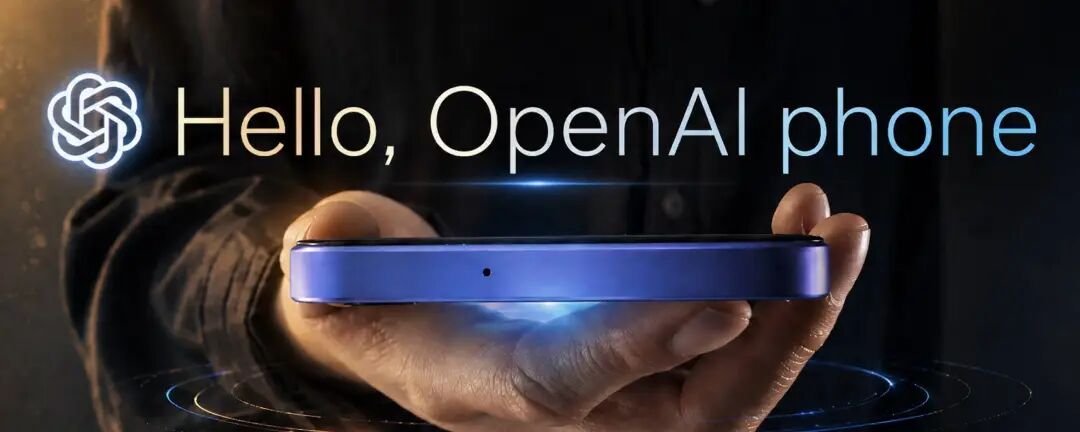
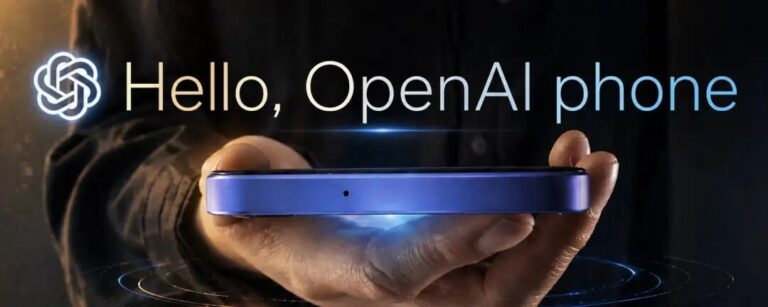
The proposed smartphone is reportedly being developed around a customised version of MediaTek’s Dimensity 9600 processor, potentially manufactured using TSMC’s advanced 2-nanometre technology.
MediaTek already supplies processors to several major smartphone manufacturers, including Oppo, whose Find X9 Pro uses the Dimensity 9500.
According to sources the OpenAI device could feature LPDDR6 memory, UFS 5.0 storage and two dedicated neural processing units capable of handling different artificial intelligence workloads simultaneously.
The processor’s image signal processing capabilities could be particularly important.
An enhanced HDR imaging system is reportedly being developed to allow the phone’s AI technology to interpret its surroundings more effectively, potentially identifying objects, understanding visual information and responding to real-world situations.
Rather than relying primarily on consumers opening individual applications, an OpenAI smartphone could use AI agents to complete tasks across multiple services.
That could include organising appointments, responding to messages, making bookings, retrieving information and carrying out complex requests through conversational commands.
However, the device’s operating system remains unknown, as does the extent to which it would support conventional Android applications.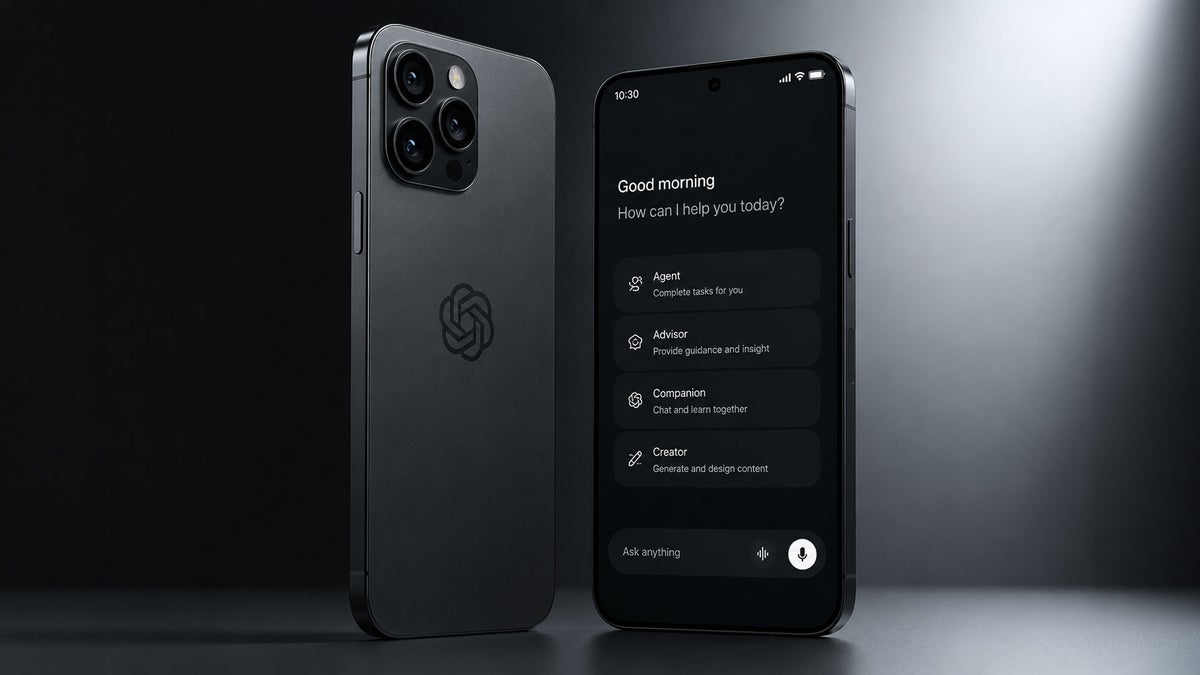
The reported specifications and software capabilities remain unconfirmed.
Major Challenge For Apple, Samsung & Motorola
For Apple and Samsung, the arrival of a smartphone built around OpenAI’s technology could represent a new competitive threat.
Both companies are already investing heavily in artificial intelligence, with Samsung integrating AI across its Galaxy smartphone range and Apple developing its own AI capabilities.
OpenAI’s potential advantage would be the ability to integrate its AI models directly into a device designed specifically around AI agents.
However, the company would face significant challenges.
Apple and Samsung have established global retail distribution networks, telecommunications partnerships, customer support operations and substantial marketing budgets.
OpenAI would need to establish similar arrangements while convincing consumers that its smartphone offers enough additional functionality to justify replacing an existing iPhone or Android device.
The proposed shipment figure of 30 million units across two years would be a substantial achievement for a new entrant.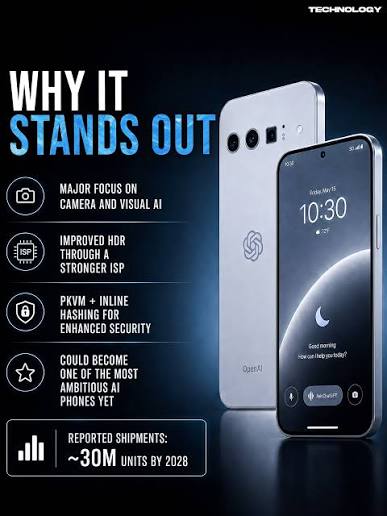
Australian Retailers Could Benefit
For Australian retailers such as JB Hi-Fi and Harvey Norman, along with Telstra, Optus and Vodafone, an OpenAI smartphone could provide another premium product category at a time when manufacturers are increasingly using artificial intelligence to differentiate their devices.
It could also create new opportunities for retailers to sell AI subscriptions, accessories and associated services.
ChannelNews understands that Open AI could appoint a local distributor and a local sales team to launch the device in Australia.
The bigger question is whether consumers would be prepared to purchase a dedicated OpenAI smartphone when ChatGPT and competing AI services are already available on existing Apple and Android devices.
The answer could determine whether OpenAI becomes a major consumer electronics manufacturer or joins a long list of technology companies that have attempted, unsuccessfully, to challenge Apple and Google’s dominance of the smartphone market.
For now, the confirmed development is OpenAI’s substantial investment in hardware design through its relationship with Jony Ive.
The proposed Foxconn manufacturing agreement, MediaTek processor and 30 million-unit shipment projection remain based on supply-chain reporting.
What is becoming increasingly clear is that OpenAI’s ambitions extend well beyond developing software for smartphones made by other companies.