Forgotten Groceries Driving Food Waste In Australian Households, Samsung Research Finds
 April Ossington
20 Nov 2026
Australians are continuing to throw away food despite growing concerns about household expenses, with new research from Samsung Australia revealing that 80 per cent of respondents have discarded food from their refrigerator in the past month.
Released on 20 November 2026, the research highlights how forgotten ingredients, duplicate grocery purchases and limited meal inspiration are contributing to food waste in Australian homes.
More than half of respondents (51 per cent) admitted regularly discovering food at the back of their refrigerator after it had spoiled, while 61 per cent said they had accidentally purchased groceries they already had at home.
Bread, leafy greens, dairy products, tomatoes, avocados and bananas were among the foods most frequently thrown away.
Despite these habits, 91 per cent of respondents agreed that discarding food was a waste of money, while 79 per cent said they felt guilty when ingredients spoiled before being used.
The findings also suggest that uncertainty around meal preparation contributes to unnecessary waste.
Almost three in five respondents (58 per cent) reported buying a speciality ingredient for a particular recipe before eventually throwing away the unused portion because they did not know how else to use it.
Meanwhile, 53 per cent admitted regularly preparing the same meals because they lacked the knowledge or inspiration to try something different.
Jessica Valiukas, Head of Product – Home Appliances at Samsung Australia, said food waste was creating additional pressure on household budgets.
“Food waste is a small daily frustration, but it adds up in the bin and in the budget,” Valiukas said.
Samsung is using the findings to highlight the potential role of connected kitchen appliances in helping households better manage groceries and meal planning.
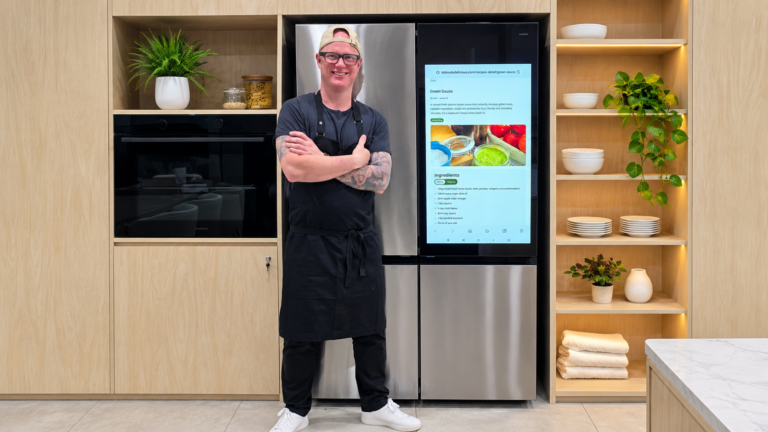
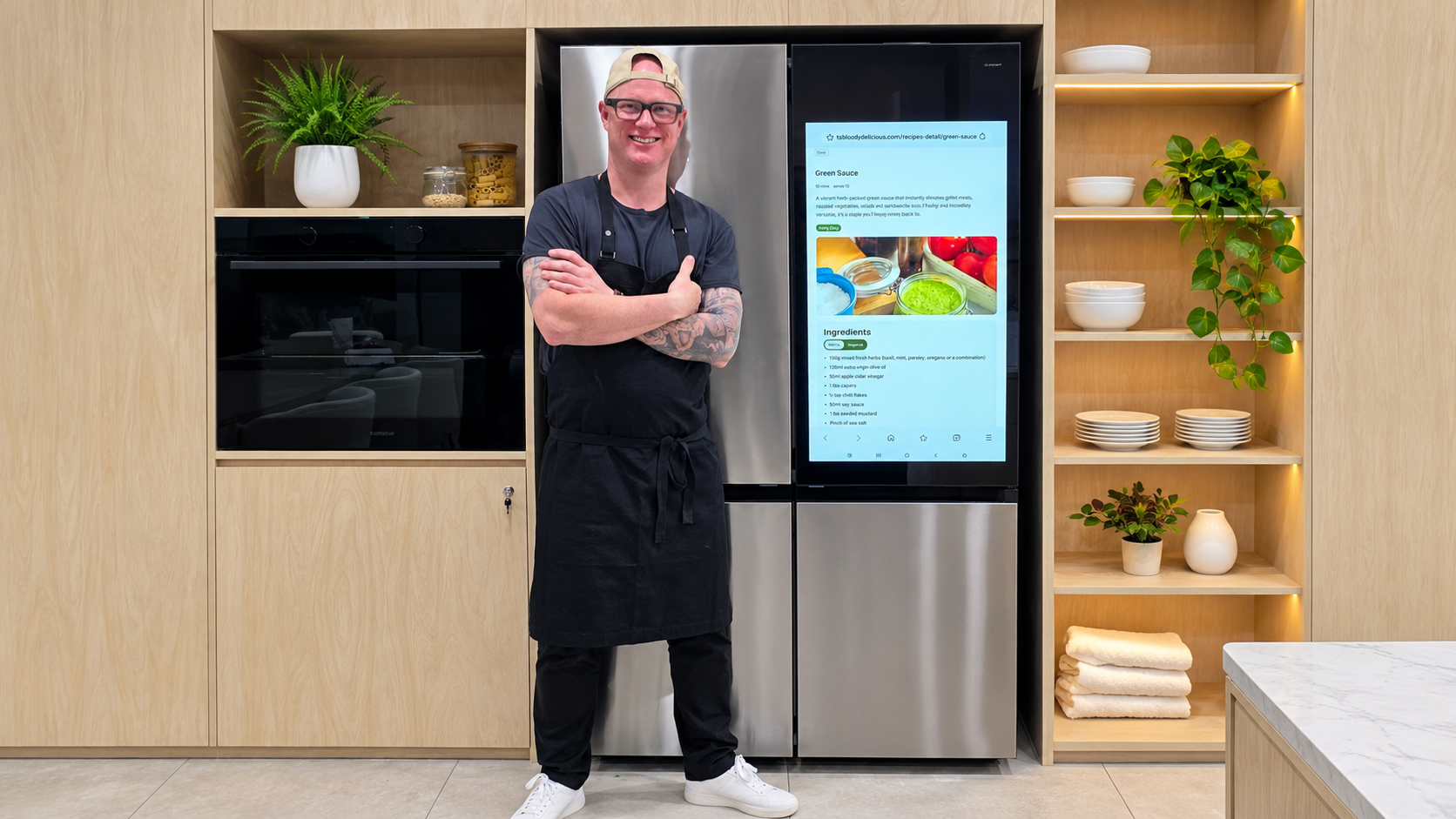
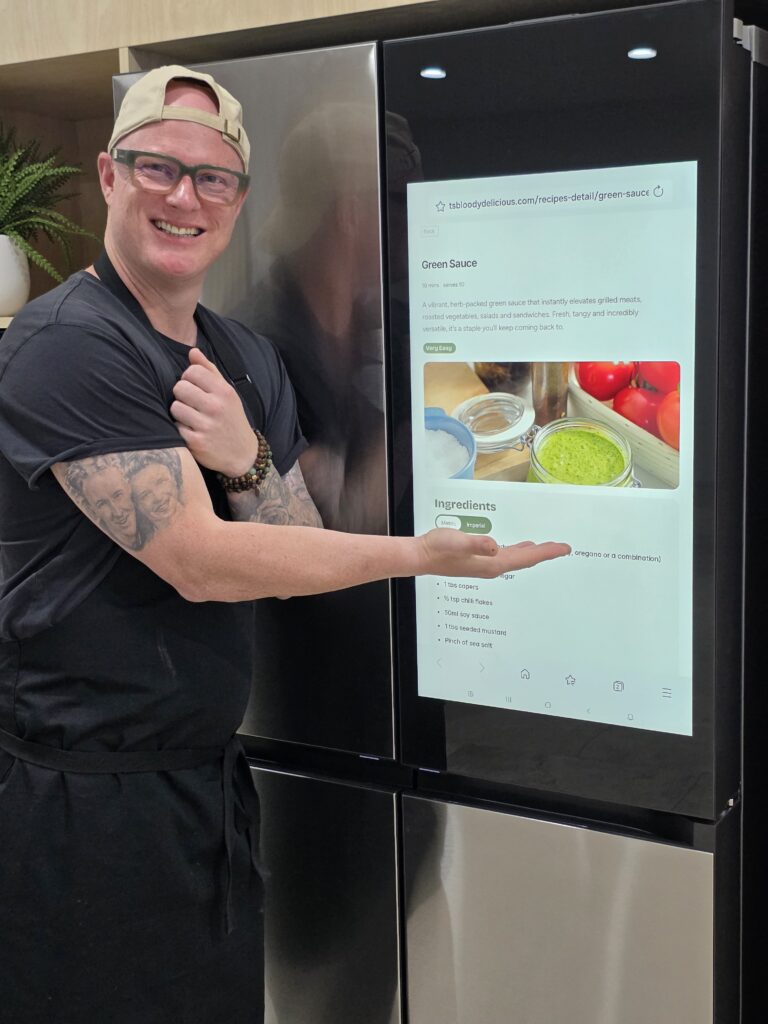
Its AI Family Hub French-door refrigerator features a 32-inch interactive touchscreen, internal cameras and AI-powered food management capabilities.
The AI Vision Inside system can recognise selected food items, while integration with Samsung Food provides recipe suggestions, shopping list recommendations and expiry date reminders.
The refrigerator’s View Inside feature also allows users to check its contents remotely through the SmartThings smartphone app, potentially reducing unnecessary purchases while grocery shopping.
However, ingredient recognition is limited to supported food items, and some food management functions require user input.
According to Samsung’s research, 55 per cent of respondents believed it would be useful to have a refrigerator that could notify them when regularly purchased groceries were running low.
Australian chef Jamie Gannon, who has partnered with Samsung to demonstrate the technology, said simple changes to food storage and meal preparation could also help households reduce waste.
Gannon recommends following a first-in, first-out approach, placing older ingredients towards the front of the refrigerator so they are used before newer purchases.
He also suggests finding alternative uses for ingredients that are approaching the end of their freshness, provided they remain safe to eat.
Leafy vegetables, for example, can be incorporated into pesto, while vegetables that are still suitable for consumption can be used in dishes such as ratatouille.
Proper storage is another important consideration, with Gannon recommending wrapping fresh herbs in a damp paper towel before refrigerating them to help extend their usable life.
Samsung’s findings highlight a gap between consumers’ attitudes towards food waste and their everyday shopping and cooking habits.
While smart refrigerators may offer additional tools for monitoring ingredients and planning meals, practical measures such as checking existing supplies, organising refrigerator contents and making better use of leftovers remain accessible ways for households to reduce unnecessary waste.