CES 2026: LG Has Another Crack At Trying To Flog Will.i.am Inspired Audio
 David Richards
31 Dec 2025
David Richards
31 Dec 2025

LG Electronics, who is locked in a long-running rivalry with Samsung, is once again turning to will.i.am to promote its struggling audio ambitions—this time at CES 2026.
The move comes as Samsung cements its position as the world’s number-one audio company following its acquisitions of Harman and the former Sound United.
In Australia, LG’s audio products have historically struggled to gain traction.
A key reason has been the company’s constant switching of audio partners, combined with the overwhelming strength of Samsung’s multi-brand audio portfolio, which includes JBL, Denon, Harman Kardon, and Bowers & Wilkins across multiple price tiers.
Better known locally for washing machines, dryers, and televisions, LG has long faced a brand-perception challenge in audio. In the mid-2010s, the company partnered with Harman/Kardon in an attempt to elevate the sound performance of its premium TVs and audio products. That strategy collapsed when Samsung acquired Harman in 2017.
LG then aligned with UK-based Meridian Audio in December 2017, aiming to strengthen its soundbars, wireless speakers, and broader audio lineup. Despite Meridian contributing advanced digital signal processing and psychoacoustic expertise, the partnership failed to shift consumer perception.
The products remained unmistakably “LG”—a brand still more closely associated with home appliances than high-end audio. 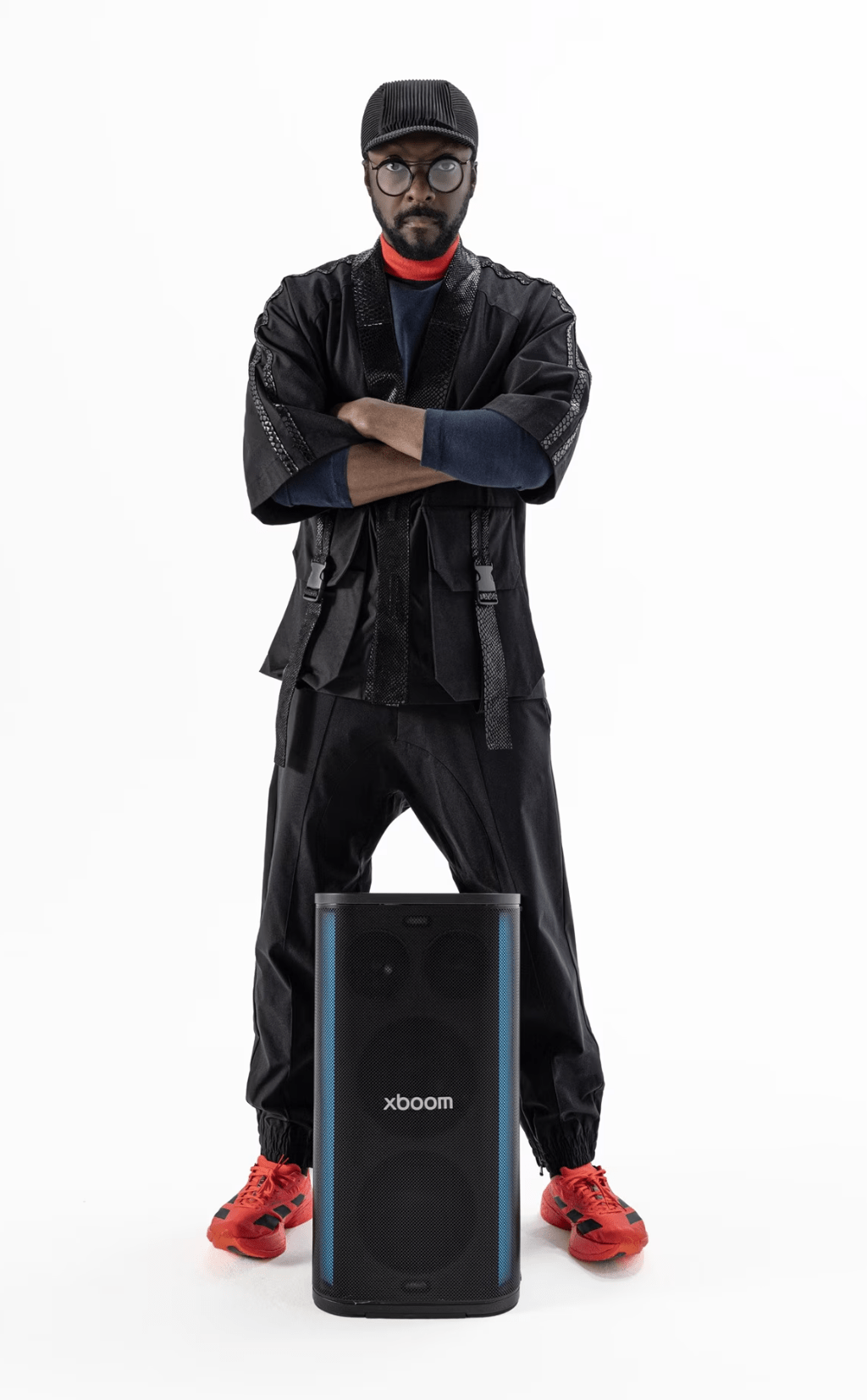
In response, LG reportedly invested millions to enlist will.i.am as both a creative partner and brand ambassador. Now, heading into 2026, the company is doubling down on that strategy with what it calls a creative, brand-driven audio push under the banner “xboom by will.i.am.”
LG claims the xboom range blends sound, design, and lifestyle appeal into a culturally driven audio experience, spanning portable speakers and earbuds. At CES 2026, the company is showcasing an expanded xboom lineup, including the Stage 301 and the original Bounce and Grab models. These products target the remaining 25% of the party speaker and handheld portable audio market, with Samsung and its Harman subsidiaries controlling the bulk of the category.
According to LG management, the new range introduces “AI-driven personalisation and versatile styling.” The lineup is set to expand further with new models including Stage 501, Blast, Mini, and Rock speakers—each designed for different listening environments and lifestyles, with artificial intelligence positioned as a core feature.
“We are turning sound into a living, learning experience,” said will.i.am. “With FYI.RAiDiO and AI personas, xboom by will.i.am speakers offer a glimpse into a new way of enjoying audio through an inspiring cultural connection with AI.”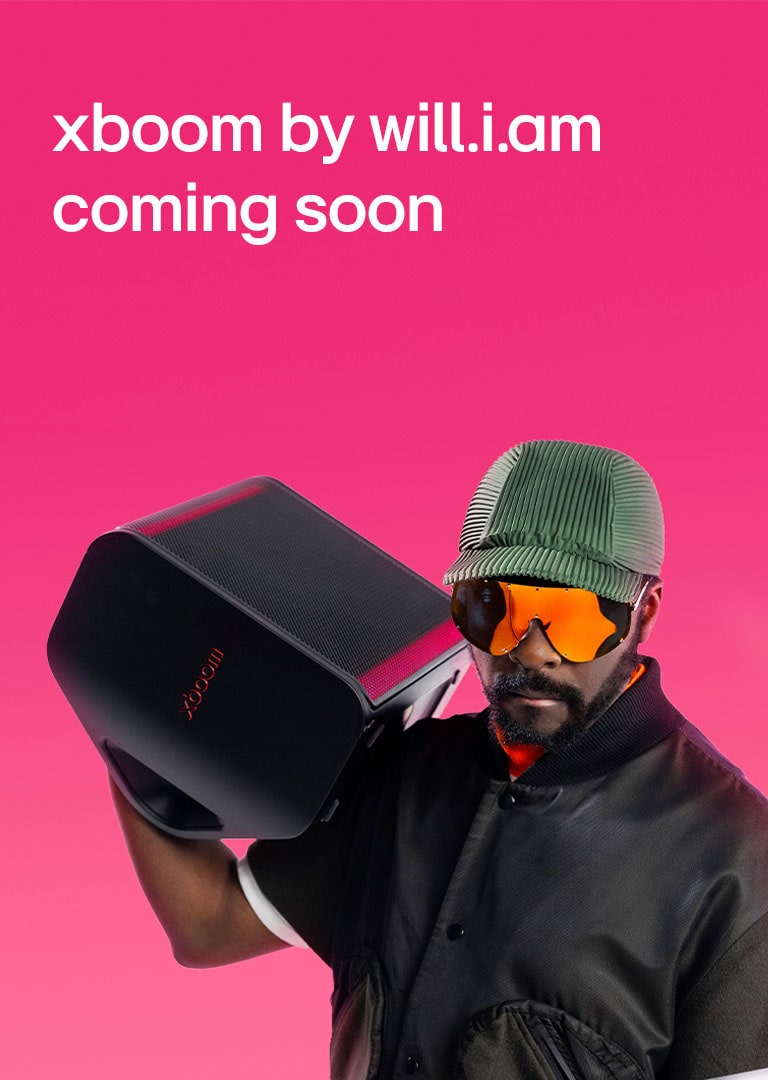
Lee Jeong-seok, head of the LG Media Entertainment Solution Company’s Audio Business, said the collaboration continues to push LG’s vision for intelligent and expressive sound. “As we move into 2026, portable audio will remain a key growth driver for LG, combining refined performance, AI innovation, and design that reflects what consumers value most.”
In Australia, however, a major unanswered question remains: how much product LG expects to sell directly as it increasingly competes head-on with traditional audio retailers.
Notably absent from LG’s CES messaging was any clear explanation of how the company plans to challenge Samsung’s dominance across premium, affordable-premium, and value audio segments—markets where Samsung’s scale, brand depth, and channel power remain formidable.