CES 2026: Highlights from Samsung
 April Ossington
19 Jan 2026
April Ossington
19 Jan 2026

Samsung Electronics used CES 2026 to outline its vision for a more intelligent and connected home, unveiling a broad range of appliances and display technologies designed to adapt to everyday living through AI-driven personalisation and tightly integrated hardware. The company focused on practical improvements across laundry, garment care, climate control, cleaning and premium home entertainment, positioning its Bespoke AI ecosystem as the centre of modern home life.
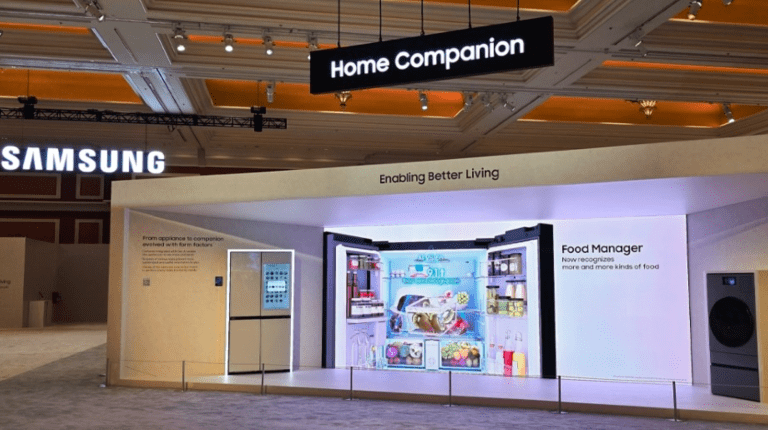
Samsung’s Bespoke 4-Door Family Hub™ refrigerator introduces a new benchmark in connected appliances, becoming the first fridge to run on a sophisticated large language model. The system enables live food recognition that can detect an unlimited range of items, from fresh produce to packaged and prepared foods, and automatically keep an up-to-date inventory. Designed to act as a digital kitchen helper, the refrigerator offers tailored recipe ideas, intelligent shopping lists and weekly food summaries to help households plan meals more efficiently. At its centre is a generous 32-inch Family Hub™ touchscreen that functions as a sleek control panel, paired with a minimalist glass finish and Auto Open and Close doors for easy, touch-light access. Hands-free control is built in through Bixby voice commands, on-device AI processing and close integration with Samsung’s SmartThings platform, allowing users to manage both the kitchen and other connected devices around the home. Hybrid Cooling technology works alongside AI Energy Mode to maintain food freshness while automatically lowering power consumption, positioning the appliance as a practical option for everyday use with a strong focus on energy efficiency and long-term sustainability.
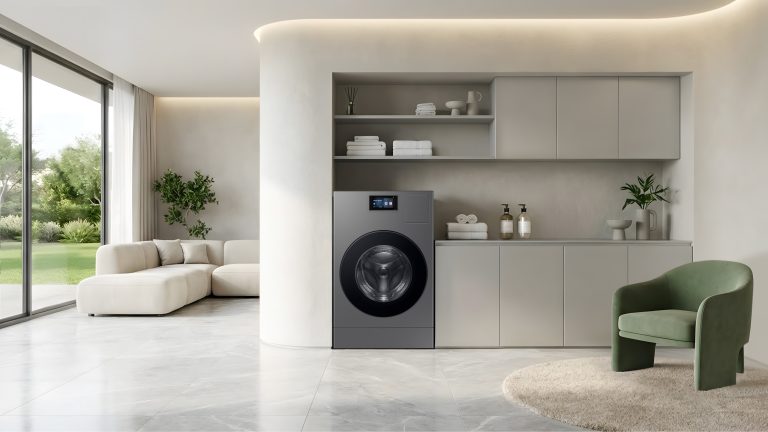
Another key highlight was the updated Bespoke AI Laundry Combo, which built on its earlier debut with faster wash-to-dry cycles and more refined fabric care. Samsung demonstrated how the Super Speed cycle used high-pressure water spray to improve detergent penetration and rinsing, while a new Booster Heat Exchanger enhanced drying performance. The unit also introduced Auto Open Door+, which automatically opened the door and circulated air after wash-only cycles to reduce lingering odours. AI Wash and Dry+ technology relied on multiple sensors to assess load size, fabric type and soil levels in real time, adjusting water, detergent and drying parameters accordingly. Samsung also revealed a new wide lint filter designed for easier maintenance, along with a more affordable variant featuring a smaller LCD screen and jog dial. The updated Laundry Combo was confirmed for Australia in 2026, with pricing to be announced.
Climate control innovation was showcased through the new Bespoke AI WindFree Pro Air Conditioner. Samsung expanded its airflow capabilities by increasing blade count and introducing multiple tailored wind modes, allowing air to be directed more precisely around a room. Motion-based AI detected user presence and adjusted airflow direction to improve comfort, while AI Fast and Comfort Cooling analysed room conditions to select the most suitable cooling approach. The system also included AI Energy Mode to help stabilise compressor operation and reduce power consumption. The WindFree Pro model was confirmed for Australia in 2026.

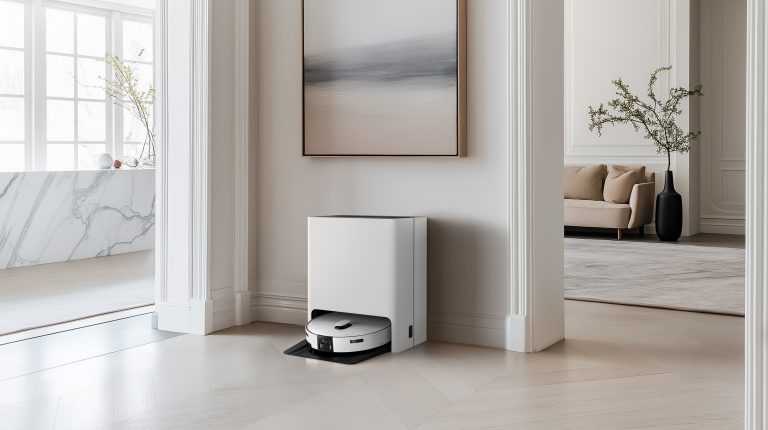
In home cleaning, Samsung introduced the Bespoke AI Jet Bot Ultra robot vacuum, which demonstrated advanced object and liquid recognition designed to reduce the need for manual intervention. Using on-device AI processing, the robot identified people, pets and common obstacles, while also detecting liquid spills and responding based on user preferences. An upgraded wheel system allowed it to navigate higher thresholds, making it more capable across varied floor plans. The Jet Bot Ultra was also slated for Australian release in 2026.
Beyond appliances, Samsung made a strong statement in home entertainment by unveiling its expanded Micro RGB TV line-up for 2026. The range covered screen sizes from 55 inches through to 115 inches, extending Micro RGB technology beyond its initial ultra-large format. Samsung highlighted the use of independently controlled red, green and blue micro-sized LEDs to achieve precise light control, lifelike colour reproduction and improved contrast. New AI-powered processing enhanced motion, clarity and upscaling, while glare reduction technology aimed to preserve image quality in bright rooms. Audio upgrades included Dolby Atmos support, adaptive sound processing and a new spatial audio system across the 2026 TV range.

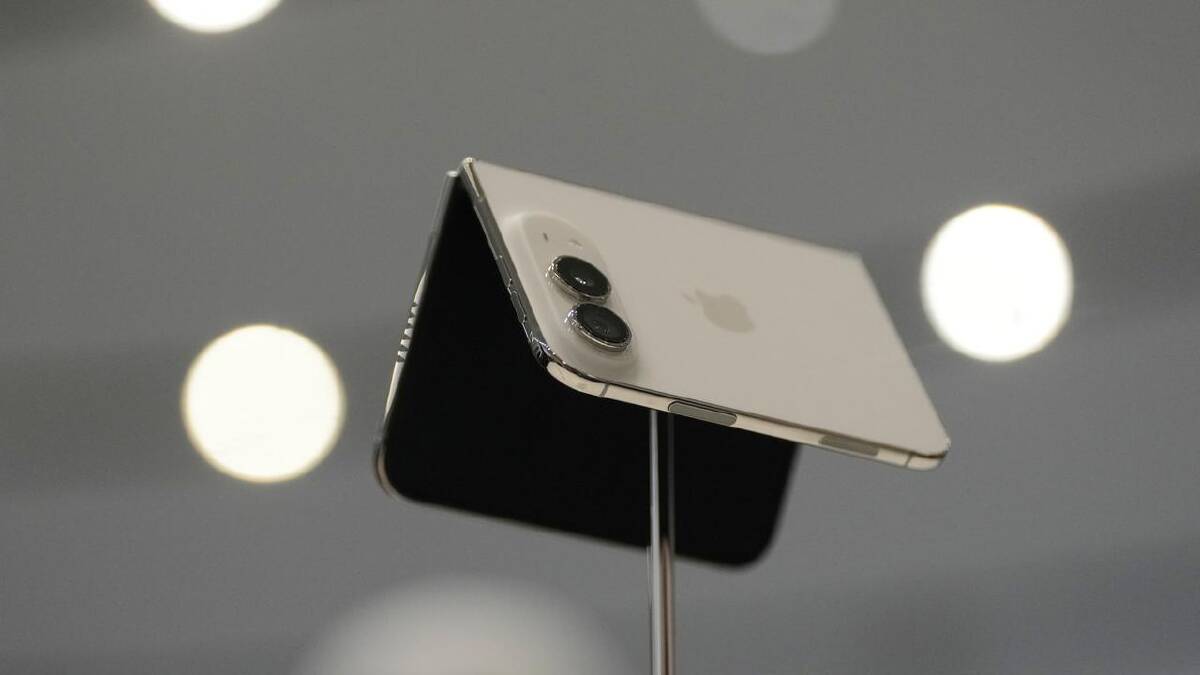
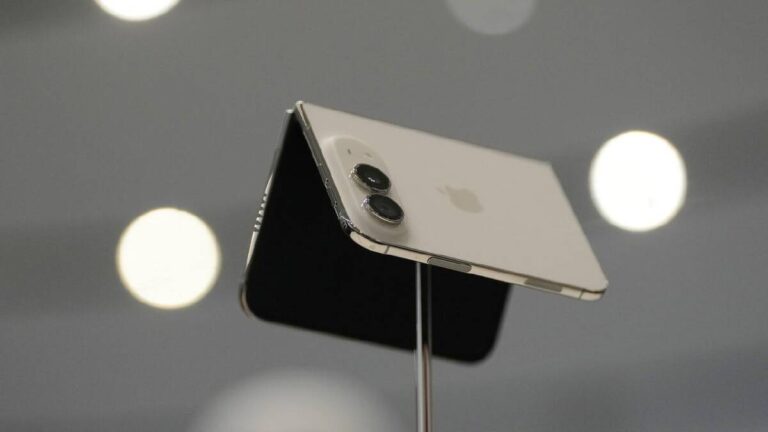
Samsung has also showcased a foldable OLED prototype at CES 2026 that reduces the screen crease by approximately 20 per cent compared with the Galaxy Z Fold 7, addressing one of the biggest drawbacks of book-style foldables. The shallower crease should be less noticeable in daily use, particularly when watching video or viewing bright content. The improvement comes from refinements to the internal display layers, including more flexible optical adhesive and a possible shift to a thin metal reinforcement layer beneath the panel. However, higher production costs mean Samsung has not yet committed to using the new display in the Galaxy Z Fold 8, with a decision expected by the end of March 2026.
At CES, Samsung positioned these announcements as part of a broader shift towards homes that respond intelligently to user habits rather than requiring constant manual input. By combining AI software, sensor data and premium hardware across appliances and displays, the company reinforced its strategy to make connected living more intuitive, efficient and personalised as its 2026 product portfolio moves toward market release.