Bondi Terrorist Attack Enters the Digital Battlefield As Mossad Does Its Own Thing
 David Richards
15 Dec 2025
David Richards
15 Dec 2025
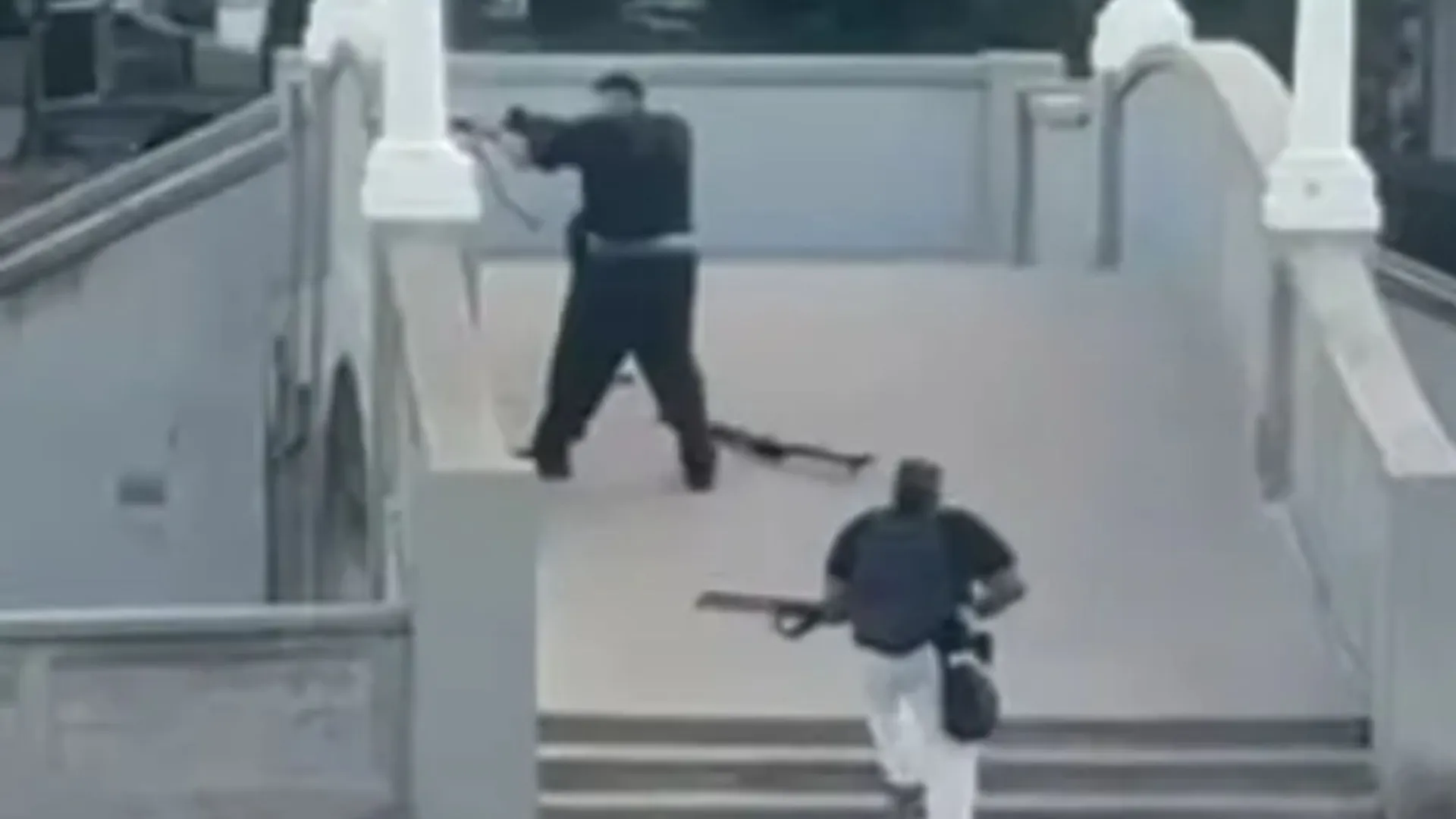
Technology is now at the centre of Australia’s largest terrorism investigation, as Federal and NSW Police probe the Bondi Beach attack that has left 16 people dead, including a child and the alleged perpetrator.
Behind the scenes, this is no longer just a crime scene investigation — it is a digital war room. Every phone call, every movement, every data point is now under forensic scrutiny as authorities attempt to determine whether this was a lone act or part of a deeper, coordinated network targeting Jewish Australians.
International Fallout and Diplomatic Tension
Israel, widely regarded as a global leader in counter-terrorism intelligence, has issued a blistering condemnation of the Albanese Government, with senior Israeli officials accusing Canberra of having “blood on its hands” for what they describe as a failure to confront rising antisemitism and jihadist extremism.
The criticism follows Australia’s recognition of Palestinian statehood — a move Israel’s Prime Minister Benjamin Netanyahu warned in August would “pour fuel on the antisemitic fire.” That warning now hangs heavily over Canberra, following what Israeli officials have labelled a “cold-blooded massacre” of people celebrating the start of Hanukkah.
Following the Digital Trail
For Australian police and intelligence agencies, today marks the beginning of a painstaking process: joining the dots.
Investigators are working to establish how far the alleged plot extended, who assisted, financed, or encouraged it, and whether overseas organisations or extremist sympathisers played a role.
Overnight, police seized mobile phones, computers, and GPS systems from the suspect’s vehicle — which reportedly contained an explosive device — and from his residence in Bonnyrigg, NSW. The alleged attacker, Pakistani national Naveed Akram, had studied at Central Queensland University and Hamdard University in Islamabad, details now being examined for potential international links.
The two gunmen involved are father and son and had told their family they were going off on a south coast fishing trip.
Naveed Akram, 24, was apprehended at the shooting and was taken to hospital where he remains under police guard in a critical but stable condition. His father, Sajid Akram, 50, who owned a fruit shop, died at the scene.
Metadata: The Invisible Witness
Even encrypted messaging platforms leave traces. While apps like WhatsApp and Signal protect message content, metadata remains — timestamps, IP addresses, call patterns, device identifiers, and contact networks.
With warrants issued to Telstra, Optus, and Vodafone, investigators are now analysing Call Detail Records (CDRs), often more valuable than message content itself. These records expose behavioural patterns: who spoke to whom, how often, for how long, and from where.
Cell tower data around Bonnyrigg, university campuses, protest locations, and the route to Bondi Beach is being mapped to establish timelines and identify potential accomplices or coordinators.
Police will also examine whether the suspect or associates attended recent anti-Israel protests, and whether those events acted as points of radicalisation, recruitment, or operational planning.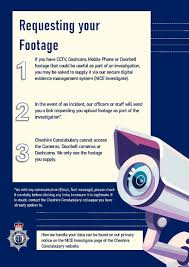
Building the Network
Modern counter-terrorism investigations rely on advanced intelligence platforms that transform raw data into actionable insight.
Authorities are deploying tools such as Verint Systems, NICE Investigate, Penlink, SS8 Networks, and BAE Systems’ Applied Intelligence to aggregate CCTV footage, licence-plate data, mobile extractions, cloud backups, social media activity, and citizen uploads.
Seized devices are being examined using forensic tools including Cellebrite UFED, Grayshift GrayKey, MSAB XRY, and Oxygen Forensic Detective — software capable of extracting deleted data, location histories, photos, communications, and application records in a forensically sound manner.
Every movement becomes a node. Every contact, a line. The result is a network graph — a digital map of relationships, travel, and communication before and after the attack.
Global Intelligence Mobilised
Australia is not acting alone. Through Five Eyes intelligence sharing, Europol, Interpol, the FBI, and UK agencies including Scotland Yard, MI5, and GCHQ, investigators have access to global intelligence databases.
British authorities routinely use tools such as i2 Analyst’s Notebook to visualise complex terror networks — technology that may now help Australian agencies uncover whether this attack was locally inspired or internationally directed.
The Unanswered Question
What remains unclear is the extent of Israel’s future cooperation.
Israeli officials have openly questioned whether Australia’s political stance has undermined Jewish safety domestically. In unusually stark language, Israel’s Diaspora Affairs Ministry declared that “the blood of the victims is on the hands of the Australian government,” accusing it of weakness and appeasement in the face of jihadist threats.
Within intelligence circles, speculation persists over whether Israel may pursue its own parallel inquiries to identify overseas handlers or financiers — a reminder that terrorism investigations do not always stop at national borders.
A Test for Australia
This attack is more than a crime. It is a stress test of Australia’s intelligence capability, political leadership, and social cohesion.
As police and ASIO comb through vast digital evidence, one truth is already clear: in the modern era of terrorism, phones, networks, and data trails often speak louder than witnesses.
And what they reveal may reshape Australia’s counter-terrorism posture for years to come.