Bluetooth 7.0 Could Deliver Major Sound Quality Boost For Wireless Headphones
 Dominic Bayley
05 Nov 2026
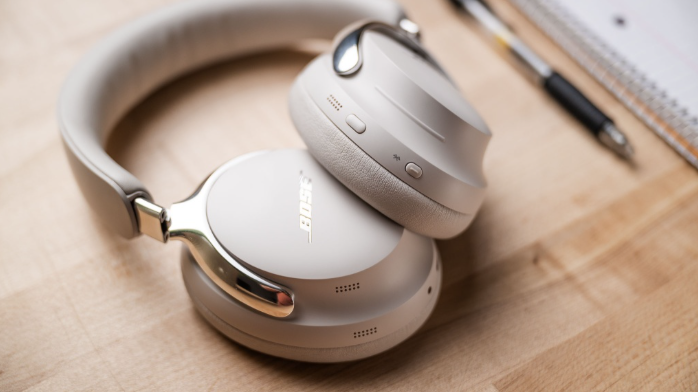
Wireless headphones and earbuds could be set for a significant improvement in audio quality following the introduction of a new Bluetooth technology designed to deliver faster data speeds, improved efficiency and support for high-resolution audio.
The Bluetooth Special Interest Group (SIG) has officially announced Bluetooth High Data Throughput (HDT), an optional feature of Bluetooth Core 7.0 that substantially increases the amount of data devices can transmit wirelessly.
The technology raises maximum data speeds from the current Bluetooth Low Energy (LE) limit of 2Mbps to 7.5Mbps, representing an increase of almost four times.
The additional bandwidth could pave the way for improved wireless audio quality, including greater support for high-resolution and lossless music playback.
While some premium wireless headphones and earbuds already support high-quality audio transmission, many rely on proprietary codecs that require compatible devices from specific manufacturers.
Bluetooth HDT could help address this limitation by providing a standardised foundation for higher-quality audio transmission across compatible products from different brands.
The technology could also benefit home entertainment applications, potentially improving support for multichannel surround sound and spatial audio in wireless headphones and other audio equipment.
Another potential advantage is improved battery efficiency.
According to the Bluetooth SIG, HDT allows devices to transmit larger amounts of data in less time, enabling their wireless radios to return to low-power states more quickly.
This could reduce power consumption when transmitting equivalent amounts of data, potentially extending battery life in compatible headphones, earbuds and other portable devices.
However, the organisation has not provided specific figures showing how much battery life consumers can expect to gain.
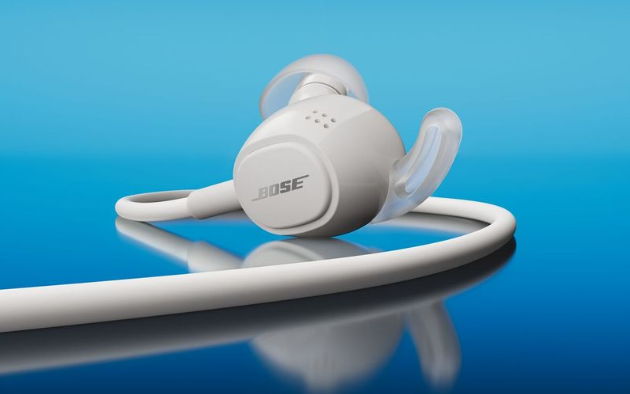
Beyond audio, Bluetooth HDT is expected to support a broader range of connected devices, including smartwatches, smart glasses, augmented and virtual reality headsets, and AI-powered wearables.
Faster wireless communication could also improve data synchronisation between smartphones and wearable devices, while allowing lightweight AI gadgets to transfer information more efficiently to connected phones.
Industrial monitoring equipment and smart home products could also benefit from the increased bandwidth and improved power efficiency.
However, Bluetooth HDT will remain an optional feature of Bluetooth Core 7.0, meaning manufacturers will decide whether to incorporate the technology into their products.
As a result, not every device supporting Bluetooth 7.0 will necessarily offer the higher transmission speeds or potential audio improvements.
Compatible consumer products could begin appearing in 2027, although manufacturers have yet to confirm specific devices or release schedules.
For consumers, the technology represents a potentially significant step towards delivering wired-quality audio over Bluetooth, although actual improvements will depend on device compatibility, codec support and how manufacturers implement the new standard.