BIG W Sales Slip As Tech And Appliance Weakness Weighs, Online Business Surges
 David Richards
26 Aug 2026
David Richards
26 Aug 2026

WoolworthBIG W has reported weaker underlying retail sales for the year to June 2026, with softness in technology and branded small appliances weighing on the Woolworths-owned discount retailer, despite a sharp increase in online business.
BIG W retail sales fell to $4.136 billion from $4.155 billion in the prior corresponding period, while the broader BIG W business benefited from marketplace and third-party sales.
When those additional transactions are included, BIG W reported total F26 sales of $4.716 billion, up 0.9%, while gross transaction value increased 3.7%.
The standout was digital, with BIG W eCommerce sales jumping 11.5% to $580 million.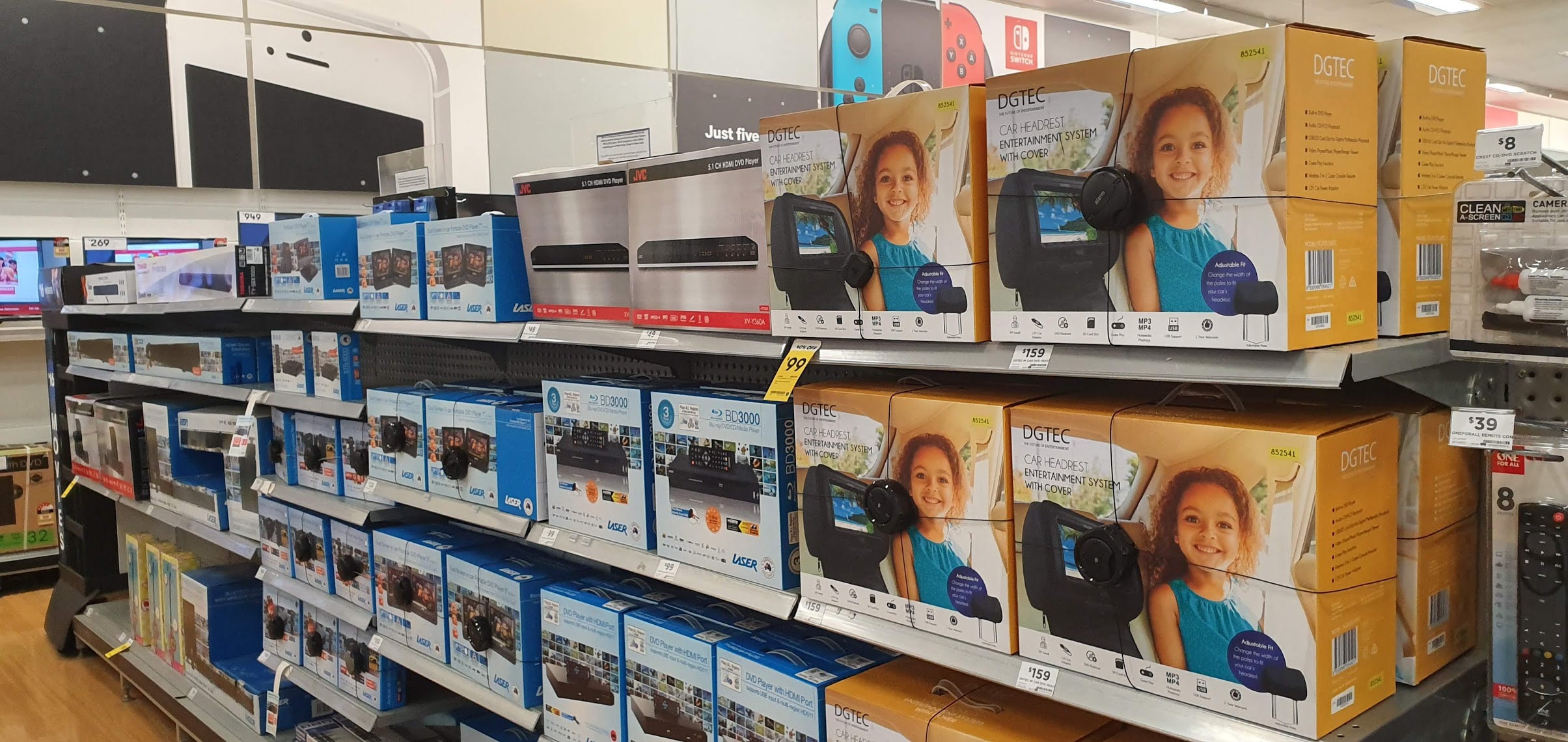
When third-party marketplace transactions are included, eCommerce GTV climbed an even stronger 26.7% to $956 million, lifting online penetration by 3.4 percentage points to 18.8%.
Average weekly traffic across BIG W’s website and app increased 13%, with app usage surging 32%.
The result highlights the growing importance of digital and marketplace sales to BIG W at a time when parts of its traditional product mix are under pressure.
The retailer acknowledged that its Play division had to cycle major Gaming and Tech releases from the previous year, while within Home, a strong performance from its Openook private-label range was offset by weaker sales of branded small appliances.
BIG W’s own-brand strategy is also gaining momentum, with private-label sales increasing 7.5%, led by Somersault toys, Openook home products and clothing.
Management said tighter ranging, improved stock flow and reduced clearance activity helped improve the quality of sales, although comparable item volumes declined 1.7%. This was offset by higher average selling prices as a greater proportion of merchandise was sold at full price.
Importantly for Woolworths, BIG W returned a $64 million EBIT profit in F26, driven by improved gross margins.
Customer measures also remained relatively resilient. BIG W’s store and online Net Promoter Score increased one point to 63, helped by improved perceptions of value following the launch of its Big Price Drops campaign.
Across Woolworths’ broader W Living operation, Petstock also delivered sales and EBIT growth, with Petstock eCommerce sales rising 24% and own-brand sales climbing 27%.
W Living’s return on funds employed improved by 7.3 percentage points to 6.0%, providing Woolworths with some evidence that profitability is improving despite BIG W continuing to face intense competition and weakness in several key merchandise categories.