After Fake OZ Robotic Vacuum Figures Another Dreame Con Job Exposed, Tech Journalists Sucked In
 David Richards
26 Aug 2026
David Richards
26 Aug 2026
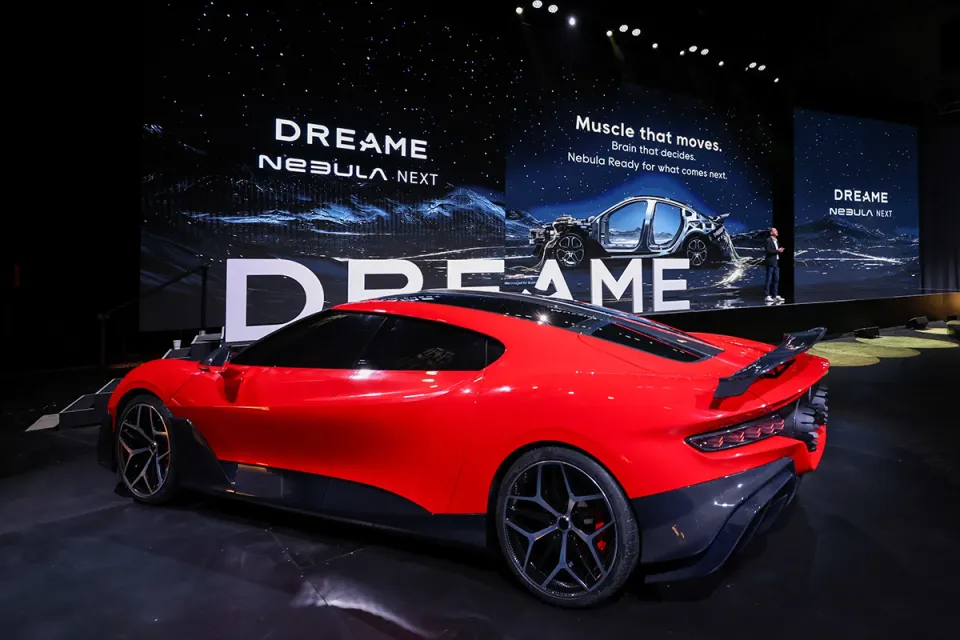
Smoke, mirrors, and solid fuel, Australian Tech Journos have been taken for a ride by Dreame’s vaporware supercar weeks after ChannelNews exposed questionable sales figures in Australia by the Chinese Company.
In April, a contingent of Australian technology and appliance journalists were flown to San Francisco to witness the dawn of a new automotive era: the Dreame NEXT 01 Jet Edition. Promised to be a solid-fuel rocket-boosted supercar capable of launching from 0 to 100km/h in a mind-bending 0.9 seconds, the vehicle was hailed as a bold leap for the Chinese consumer tech brand.
ChannelNews was not one of those media Companies.
Four months later, the entire project has collapsed into dust—leaving the local media who hyped it nursing a severe case of silence.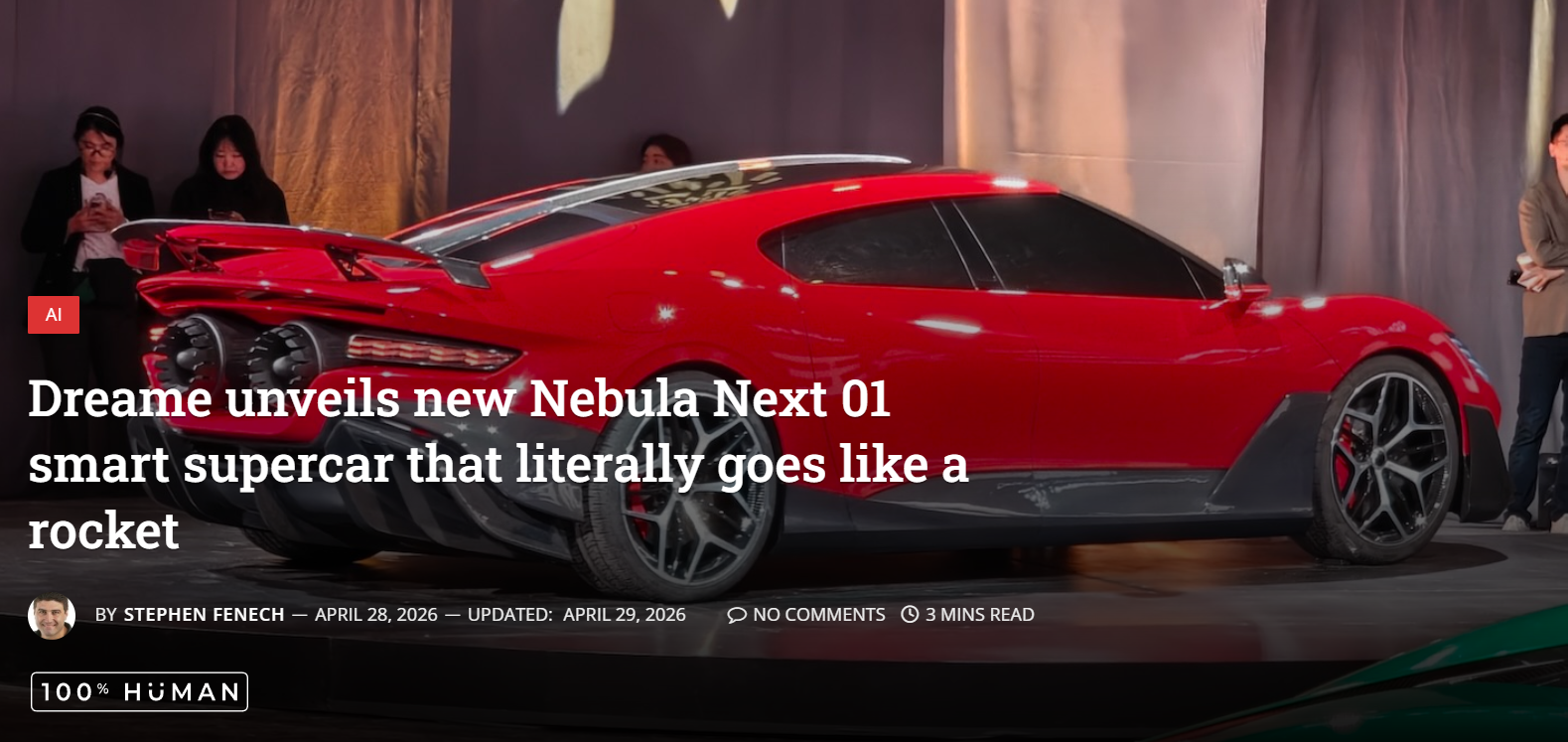
Dreame’s secretive automotive wing, “Project Starry Sky,” has reportedly shut down operations after failing to sell—or even build—a single functional vehicle.
The entire program has been dismantled, leaving behind a trail of unpaid suppliers, hundreds of sacked workers, and a room full of embarrassed tech writers who were spruiked by discredited US evangelists on Dreame’s dollar.
The Model-Kit Mirage
What was presented to Australian media as a cutting-edge hypercar was, according to insiders, little more than a glorified prop.
Reports reveal the displayed vehicle was sourced from a commercial model-making firm and fitted with decorative grilles and mock thrusters.
Former staff members allege the unit lacked a proper chassis and had to be steered remotely just to move across the floor.
While Dreame’s Australian press releases spoke definitively of a car “equipped with” a dual solid-fuel rocket system delivering peak thrusts of 100kN, Chinese financial media quickly confirmed the San Francisco display model had no such propulsion system fitted.
Engineering experts and US outlet The Verge systematically tore the claims apart, pointing out the basic physics of tire traction and structural load rendered the 0.9-second claim impossible. Dreame’s automotive head, Ma Junye, later admitted the figures were purely theoretical. Promised proving-ground tests for late May never occurred.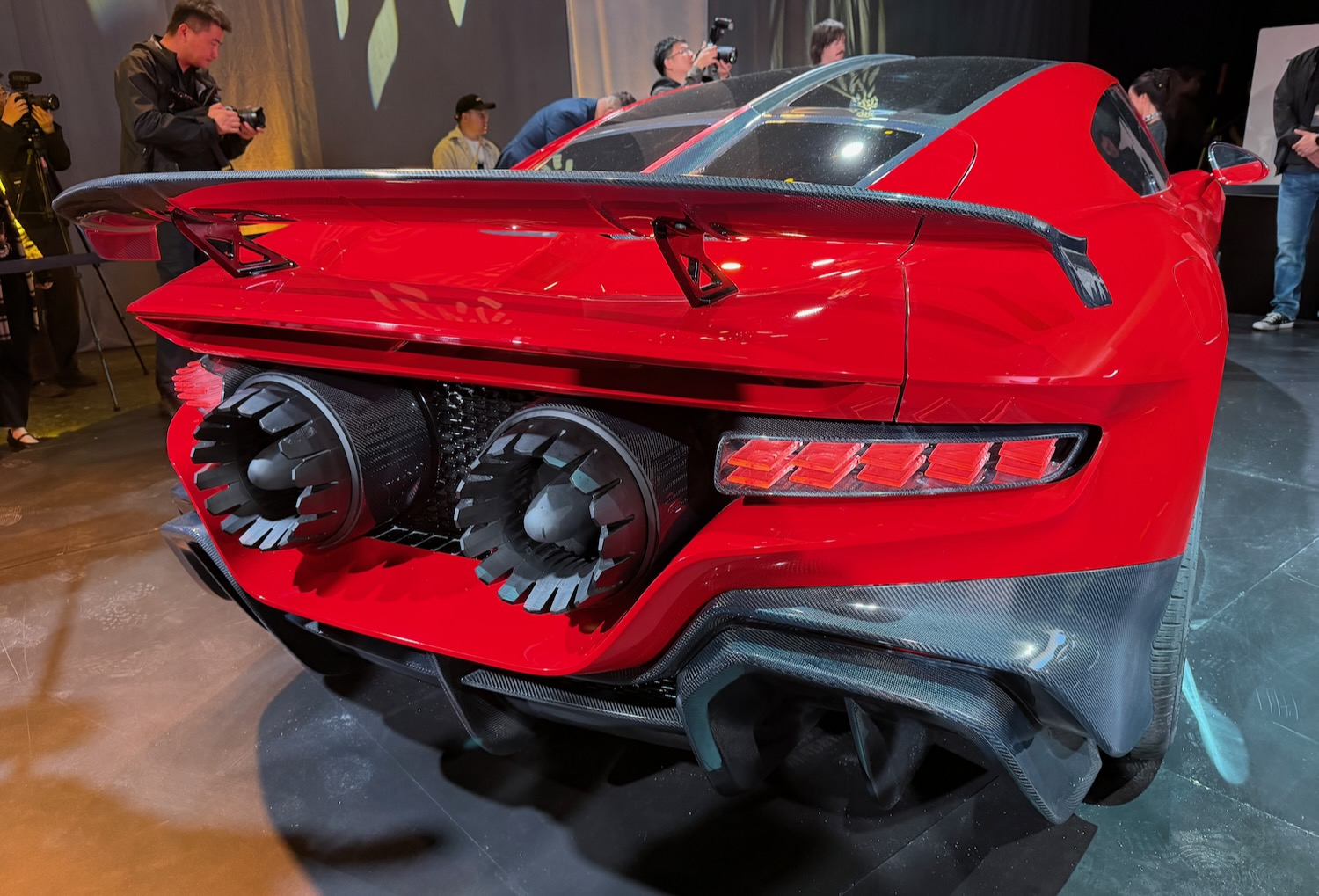
Radios Go Silent in Australia
As the project unravelled, the loud promotional machine driving Dreame in Australia abruptly shut down.
Local PR agency WE Communications—and its Head of Technology, Jasmine Mayo—have gone completely dark on the failure.
WE Communications previously raised eyebrows in the industry after pushing press releases claiming Dreame was Australia’s top robotic vacuum brand, a statement directly contradicted by market data from research firm IDC.
Neither Dreame Australia nor WE Communications have addressed whether they knew the rocket car was non-functional when they invited Australian press across the Pacific to cover it.
From 1,000 Staff to Sunset
The sudden collapse of Project Starry Sky reportedly extends beyond engineering failures to scrutiny from Chinese regulatory authorities over funding deployment. An attempt in June to rebrand the division into a “research institute” failed to save it. A workforce that once neared 1,000 employees has been gutted to a skeleton crew tasked solely with liquidating assets and managing mounting supplier debts.
For the Australian tech journalists who bought into the spectacle, the lesson is stark.
The $2-million-dollar rocket car was never destined for the road—it was vaporware from day one.