Australian Telcos, Super Fund and HSBC Caught Up In Optimizely Hack Targeting Crypto, Cards And iPhones
 David Richards
18 Nov 2026

Websites run by some of the biggest companies operating in Australia, including HSBC, IKEA, Vodafone, TPG Telecom and Rest Super, were turned into malware traps in a 17-hour digital heist that tried to steal cryptocurrency and credit card details and break into iPhones.
The attack hit at least 178 organisations worldwide, among them Zoom, Salesforce, Equifax, the BBC, CNN, GitLab, Air France-KLM, crypto wallet maker Ledger and streaming service Peacock.
The attackers did not break into the companies themselves. They exploited a vulnerability in Optimizely, a US-based website testing platform these companies use to trial different versions of their web pages, and planted malicious JavaScript in the code Optimizely delivers to their sites.
Because the tainted code came from Optimizely’s own trusted servers with a valid security certificate, most websites and browsers accepted it without question.
How It Unfolded
The attack was uncovered by security researcher Scott Helme, founder of Report URI, who tracked it in real time.
The first infected code appeared on the BBC’s website over the following hours the attacker spread the code across Optimizely customer projects and rebuilt the malware 26 times, adding new features and wallet addresses as the day went on.
Zoom’s code was modified at around 10.20pm. A card skimmer was added shortly after midnight, and attacks targeting iPhones were added in the early hours of Tuesday morning.
Report URI checked 1,611 Optimizely snippets and found 188 infected, belonging to 178 organisations. Helme believes the real number of victims is higher.
Most of the malicious code was removed in a mass clean-up between about 7.40am and 8.10am on Tuesday. One site, belonging to UK telco TalkTalk, was still infected almost an hour later.
What The Malware Did
The code was a multi-purpose theft kit. It:
Hijacked crypto payments by swapping legitimate wallet addresses for the attacker’s own across Bitcoin, Ethereum, Solana, TRON, Dogecoin and other currencies, in web pages, forms and even the copy-and-paste clipboard.
Skimmed credit cards by capturing card numbers, expiry dates and CVV codes typed into a site’s own payment forms. Cards entered into separate payment provider windows were out of reach.
Stole browser cookies and took screenshots of pages involving wallets or payments, sending them back to the attacker.
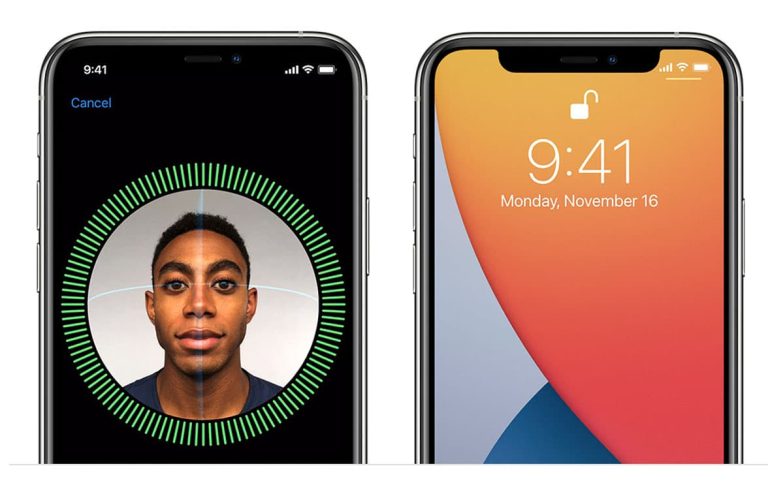
Targeted iPhones and iPads by loading hidden frames carrying two known iOS hacking toolkits, Coruna and DarkSword. On devices running iOS 18.6 or earlier, infected pages reloaded every 60 seconds to keep retrying.
Researchers say later stages of the iPhone attack were designed to steal keychain passwords, crypto seed phrases and private keys. However, threat intelligence firm Hudson Rock said it had not reproduced these stages or shown that a real iPhone had been compromised.
Attacker wallets received about US$7,040, mostly in Bitcoin, which was moved to exchanges. The number of stolen card numbers and cookies is unknown.
The Australian Exposure
Report URI identified nine sites with Australian domains among the victims:
HSBC Australia
Vodafone Australia
TPG Telecom
Rest Super
Betashares
Compare Club
Levi’s Australia
Energy Scout
O’Brien Glass
The finance sector was the hardest hit worldwide, with 32 banks and financial firms affected, followed by 23 technology companies and 20 retailers.
What The Companies Said
Optimizely confirmed it had identified “a security incident in which an unauthorized party exploited a vulnerability in Experimentation and used it to add malicious JavaScript to some customer projects.”
The company said it had fixed the vulnerability, removed the injected code from affected projects, secured affected user accounts and put additional protections in place to stop unauthorised code being delivered. It has not said how the attacker gained access, and its own websites were among those affected.
Salesforce said it was investigating unauthorised changes to Optimizely scripts on some of its websites and had disabled the scripts across its preview and production sites as a precaution.
IKEA said it was investigating.
Equifax said it had immediately investigated the issue and stopped using the platform. “We have not identified evidence of any compromise to our systems,” it said.
HSBC said unauthorised scripts were not active on its websites. However, Helme’s analysis found that a setting recommended in Optimizely’s own documentation allowed a backup copy of the malicious code to run on HSBC’s site.
Zoom, Apple and CNN did not immediately respond to requests for comment.
Who Is Behind It
No group has been named. Report URI links the campaign to an attacker whose code first appeared on Turkish websites in September, and to a crypto wallet in use since March. The same actor hit three other website tools, Kissmetrics, StorifyMe and Minute Media, in an earlier wave between 13 and 16 November.
Helme described it as a Magecart-style operation, the name given to criminal groups that plant card skimmers in website code.
A Wake-Up Call On Third-Party Code
The attack shows the risk of big brands loading code from outside suppliers directly into their websites. Only 24 of the affected organisations, about 15%, had security settings strict enough to block the malware. Sixty-eight had no protection of this kind at all.
What Users Should Do
Update iPhones and iPads to iOS 18.7.3 or later, or iOS 26.3 or later.
Check card statements if you paid by card on an affected site on Monday or Tuesday.
Double-check crypto wallet addresses before sending funds.