Australian Notebook Retailers Set To Ride Premium Wave as Intel Pushes Cutting Edge Chips Amid AI surge
 David Richards
20 May 2026
David Richards
20 May 2026
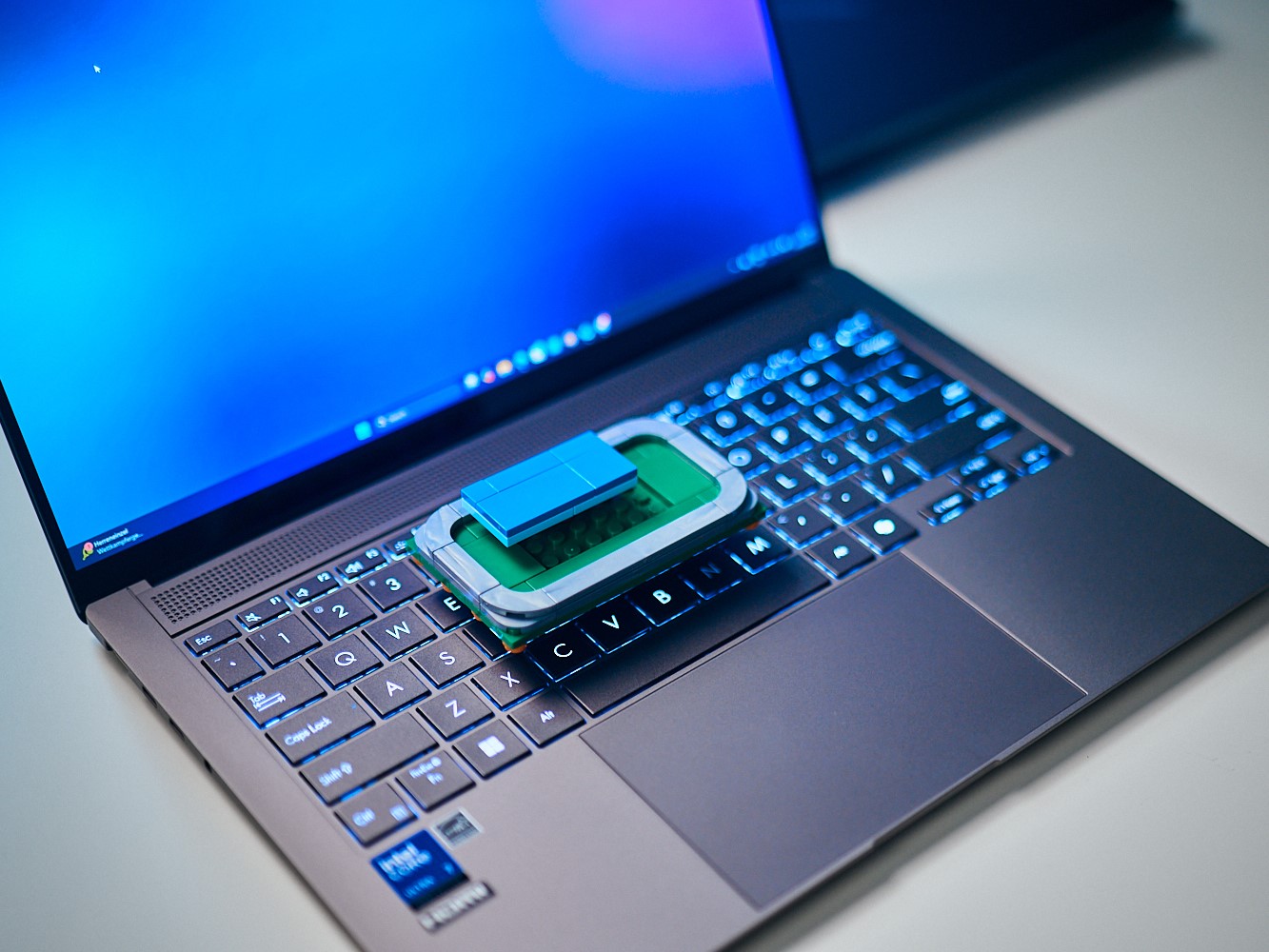
Australian notebook and PC retailers, including mass-market giants JB Hi-Fi, Harvey Norman and The Good Guys, are positioned to benefit from a strategic shift by Intel to prioritise its most advanced chipset products, driven by an explosion in AI demand and tightening memory supplies.
Intel, whose fortunes have rebounded under new management, is now pushing notebook manufacturers to concentrate on its most cutting-edge CPU production technology. Copilot+ support is standard on most flagship notebooks this year, with several chip ecosystems competing to power 2026’s premium devices, and Intel wants to be at the centre of that race.
The move is expected to flow directly onto Australian shelves, with brands such as Acer, HP, Asus and Dell shifting production toward notebooks built with Intel’s new 18A production process, a fabrication node that only became available late last year.
Intel’s current Panther Lake and Wildcat Lake offerings, produced on this process, are claimed to be in better supply than processors built on older chip-making generations. The older Intel 7 process node, still widely used in notebooks, PCs and servers, is being increasingly deprioritised for client computing in favour of server and industrial applications.
In January 2026, global memory shortages began to bite and costs started rising significantly as a consequence, with the expectation that memory prices could skyrocket by the end of the year.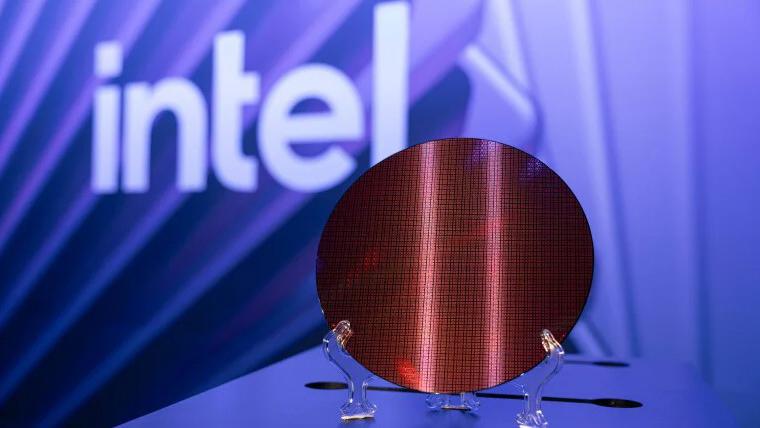
That dynamic is compounding the Intel supply squeeze, creating upward pressure on notebook pricing across the board in Australia, where laptops are already typically priced 10 to 20 per cent higher than in the US.
Industry sources confirm that supplies of older Intel 7-based models, including Alder Lake and Raptor Lake, as well as externally manufactured chipsets such as Arrow Lake, are unlikely to receive additional supply allocations or accelerated shipment schedules. One PC industry executive with direct knowledge described the situation bluntly: “All CPUs are in short supply, but the traditional Intel 7 node is especially jammed up.”
The supply constraints are forcing a take-it-or-leave-it dynamic. One PC executive described receiving only 30 of a 100-unit order for Intel 7 CPUs, ten of which were built on 18A, and being told the 18A units would go to rival manufacturers if not accepted. “Frankly speaking, PC makers designed a few models based on 18A last year mainly as a favour to Intel, as the chip is expensive and the market demand was relatively small,” the executive said. “But now the situation is completely different.”
For Australian consumers, this supply-side pressure is reshaping what premium notebooks look like on the shelf in 2026. The shift to higher-end CPUs is pulling up the entire specification chain. The Dell Pro 14 Premium, one of the flagships arriving in Australian stores, is powered by the Intel Core Ultra 200V series architecture and claims up to 21.2 hours of battery life, a 51% increase over its predecessor, effectively eliminating range anxiety for the average Australian business traveller. It also features a dedicated AI chip for tasks like background noise cancellation, eye-contact correction and on-device generative AI, all running without draining primary system resources.
The design of 2026’s premium notebooks reflects this new reality.
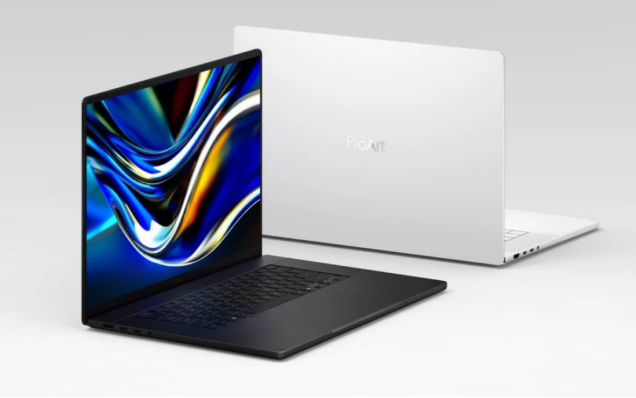
The ASUS Zenbook S16, unveiled at CES 2026, squeezes a 16-inch form factor down to an 11mm shell, uses AMD’s Ryzen AI 400-series platform with an NPU rated at up to 50 TOPS, and employs a 3D vapour chamber cooling system 37% larger than its predecessor to sustain performance without excessive heat or fan noise. At the other extreme, the ASUS Zenbook A14 weighs under one kilogram, making it one of the lightest premium options for Australian travellers and hybrid workers.Display quality is a defining feature of the premium tier.
MSI’s new PC convertibles feature 2.8K OLED touchscreens with 360-degree flip designs, while Acer’s flagship Swift 16 AI showcases a 3K OLED panel with 100% DCI-P3 coverage, DisplayHDR True Black 500 certification, and the world’s largest haptic touchpad, nearly 7 by 4.3 inches, which doubles as a drawing surface.
One Taiwanese component supplier confirmed the cascading effect of higher-end CPU adoption: “Once you use the highest-end CPUs, you have to upgrade your components such as premium displays and others to justify the expensive model to consumers.”
Taiwanese brands Acer, ASUS and MSI are already understood to be transitioning higher-end CPU notebook lines, and the shift is filtering through to Australian retail. The ASUS ExpertBook P5, for instance, is a Lunar Lake-based business notebook retailing at AU$2,499, weighing just 1.27kg and offering nearly 20 hours of battery life, a benchmark for what the premium segment now delivers.
AsusTek CEO S.Y. Hsu confirmed the company is prioritising shipments of higher-end models in response to the CPU and memory crunch. “It is undeniable that we strategically prioritise the shipments for higher-end models,” Hsu said during a recent earnings call, “but we are cautiously making sure such strategy won’t impact market demand for mid-to-lower-end models.”
On the Apple side of the Australian market, the MacBook Air M5 starts at AU$1,799, offers over 15 hours of battery life, and retains dual Thunderbolt 4 ports and a fanless design, remaining a formidable benchmark against which Windows Copilot+ notebooks must compete.
Intel’s Core Ultra 7 258V “Lunar Lake” platform, powering devices like the ThinkPad X1 Carbon Gen 13, delivers nearly 20 hours of battery life, up from around 13 hours on the previous generation, reflecting the efficiency gains now possible with next-generation process nodes.
According to Counterpoint Research, Intel and AMD’s x86 architecture continues to dominate personal computer CPUs, accounting for 88% of the global market in 2025, with Intel maintaining more than 70% share in the first quarter of 2026. Analyst Brady Wang cautioned, however, that some CPU supply constraints may be partially offset by softening PC demand overall, with some forecasters expecting a decline of over 15% year-on-year, driven by surging component and material costs.
For Australian shoppers, the message is clear: the premium notebook tier is being redefined in 2026 by AI-ready silicon, OLED displays, sub-1.5kg chassis designs and all-day battery life, and supply dynamics mean those prepared to spend are likely to be the best served.