ATO Audits Google, Amazon, Microsoft Over Data Centre Tax Arrangements
 Isabella Alexiou
21 Jul 2025
Isabella Alexiou
21 Jul 2025
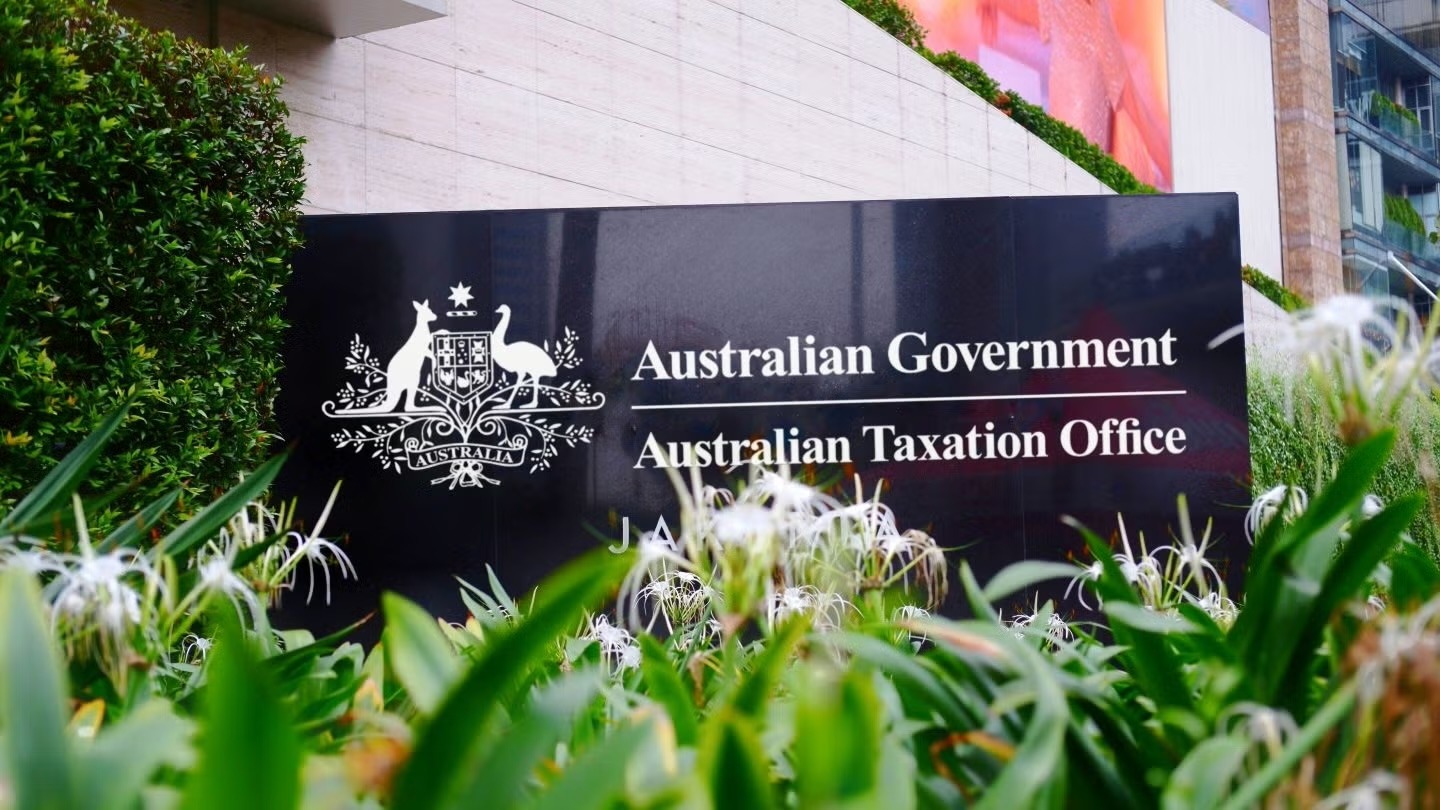
The Australian Taxation Office is conducting audits of major global technology companies, including Google, Amazon, and Microsoft, over concerns that profits from their lucrative local data centre operations are being under-reported in Australia and redirected to lower-tax offshore jurisdictions.
The investigation focuses on whether revenue generated from customers using Australian data centres should be taxed locally or can be legitimately booked overseas.
Tax officials are examining arrangements where big tech companies are booking “limited profits” in Australia, claiming their local data centre operations merely provide services to foreign associates rather than generating substantial taxable income.
The practice allows companies to potentially shift most revenue offshore while paying minimal tax on local operations.
“The key issue is related to whether the profit generated from customers using Australian data centres is attributable to the Australian entity, and taxable in Australia, or foreign entities,” an ATO spokeswoman explained, though she declined to specify which companies were under audit.
The investigation comes as technology giants invest billions in Australian digital infrastructure to power the booming artificial intelligence industry.
Earlier in June, Amazon announced an investment of $20 billion to expand data centre infrastructure from 2025 to 2029, in order to strengthen Australia’s cloud and AI capabilities.
Google and Microsoft are similarly investing heavily through direct construction or leasing arrangements with providers like AirTrunk, NextDC, and CDC.
Under current arrangements, tech companies can potentially allocate minimal revenue to their Australian operations while shifting the majority to parent companies in lower-tax jurisdictions like Singapore.
For example, if a company sells $100 worth of data centre storage in Australia, it might attribute only $5 to local operations while booking $95 offshore, significantly reducing Australian tax obligations.
The ATO disputes claims that Australian data centres provide only “low-value services” to offshore groups, arguing that local facilities are integral to business operations due to reduced latency, data security, sovereignty, and reliability requirements.
“The location of data centres in Australia appears to be integral to the enterprise and of particular value,” the spokeswoman noted.

ATO deputy commissioner Rebecca Saint identified data centre tax structures as “an emerging issue” at a conference last year, revealing the office was reviewing several companies to determine if they were artificially splitting businesses to reduce or avoid Australian tax obligations.
“We are yet to form a final view,” she acknowledged.
Technology companies have expressed concern about regulatory uncertainty affecting investment decisions.
In a submission to the Productivity Commission, Google warned that uncertain digital tax policies were creating a “chilling effect” that could lead to reduced investment at a crucial time for AI development.
“AI stands to change the global economic order… countries that unintentionally fall behind may face significant economic burdens,” Google stated, arguing that regulatory uncertainty across multiple domains, including ATO statements about data centres, had created “significant uncertainty about how Australia will, in future, approach the taxation of computational infrastructure.”
Recent transparency reports reveal significant disparities between income and taxable amounts for major providers.
Google Cloud Australia paid almost $9 million in tax from total income of $158 million for the year ending June 2023, while Amazon Web Services reported taxable income of just $170 million from total income of $2.8 billion, resulting in a $51 million tax bill.
Robert Deutsch, a former Mallesons partner researching tax and auditing at the University of NSW, said most tax jurisdictions would examine similar revenue allocation issues.
“Multinationals have the ability to massage their profits in such a way as to ensure a higher taxing jurisdiction shows less profit,” he explained, noting Australia would be viewed as higher-taxing than Singapore.
The investigation occurs amid explosive growth in Australia’s data centre sector.
Based on surging demand for cloud computing and artificial intelligence, capacity is forecast to more than double by 2030, requiring 175 new facilities and an estimated $26 billion investment, according to research from property group JLL.
Foreign investment in Australian data centre businesses has intensified, with Swiss private equity firm Partners Group paying $1.2 billion to acquire GreenSquare DC earlier this year, and Blackstone purchasing AirTrunk from Macquarie Asset Management and PSP Investments for $24 billion last year.
The outcome of the ATO’s investigation could significantly impact how multinational technology companies structure their Australian operations and influence future investment decisions in the rapidly expanding local data centre market.