As the ACCC Cracks Down on Marketplace Sellers, Questions Arise Over ACMA’s Oversight Of Mobile Phone Market
 David Richards
01 Jul 2025
David Richards
01 Jul 2025
As the Australian Competition and Consumer Commission (ACCC) intensifies scrutiny of questionable online and marketplace sellers, attention is turning to telecommunications giant Optus and its proactive measures following the shutdown of its 3G network. Some industry observers are asking whether the Australian Communications and Media Authority (ACMA) is adequately enforcing compliance standards designed to protect consumers.
Industry suppliers report that Singapore-owned Optus has implemented a device ‘whitelist’—a curated roster of mobile brands that meet its compliance standards—and a ‘blacklist’ of non-compliant manufacturers before they move to sell products to Australian consumers.
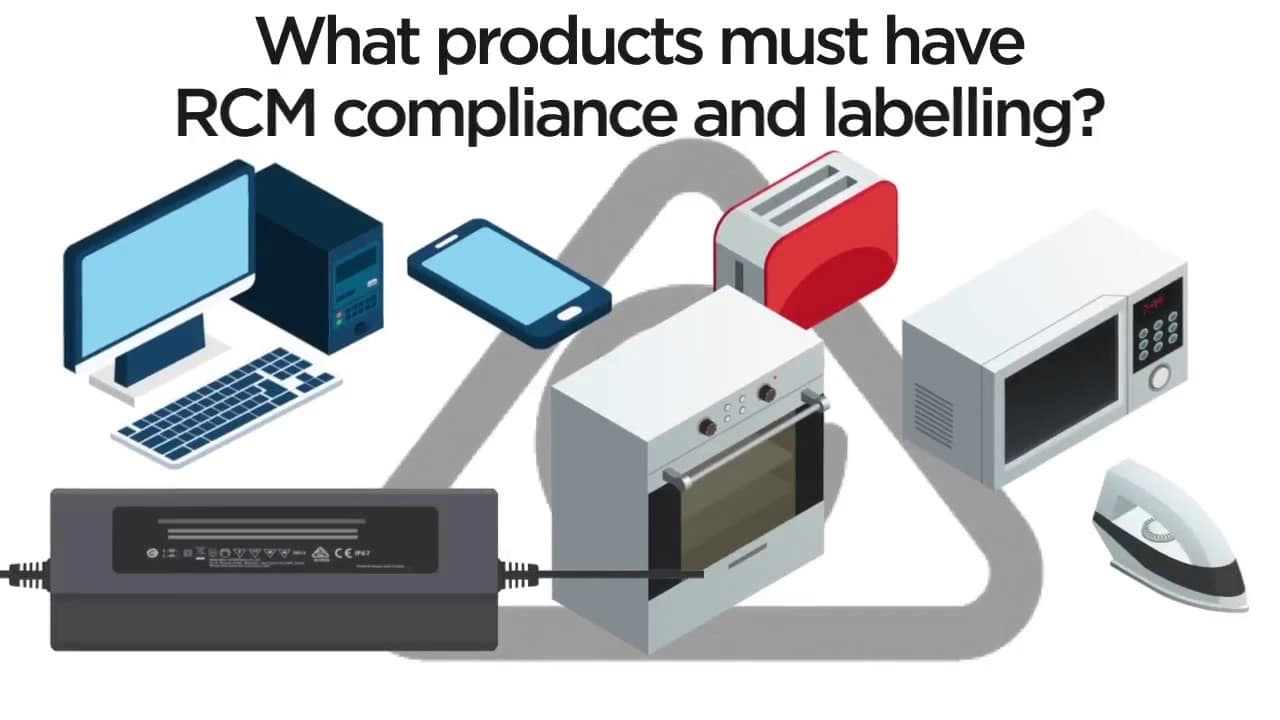
This initiative focuses on adherence to the Regulatory Compliance Mark (RCM), a requirement under Australian law indicating that devices meet specific electrical and communications safety standards.
The RCM, jointly administered by the relevant Regulatory Authorities and ACMA, signifies that a product complies with two key regulatory frameworks: electrical safety requirements and telecommunications standards. However, some suppliers told ChannelNews that enforcement of these requirements has historically been inconsistent, particularly with products using lithium batteries, such as smartphones and other portable electronics.
Under federal legislation, all “in-scope” electrical equipment must bear the RCM in accordance with AS/NZS 4417.1 & 2 and the Electrical Equipment Safety System (EESS). Despite this, numerous consumer electronics currently available on the Australian market reportedly lack this certification.
The consolidation of compliance into a single RCM was intended to reduce regulatory burden and streamline consumer recognition of safe, compliant products. However, concerns persist over whether this system is functioning as intended—especially regarding imports and sales through mass retailers and unregulated online sellers.
Investigations by ChannelNews have found that various grey-market smartphones, some from major Chinese brands, are being sold in Australia through marketplace platforms and websites that present themselves as local. These sites, often operated overseas or by local phone repair businesses, list devices without ACMA certification, sometimes displaying alternative international compliance marks.
ACMA maintains that it enforces regulations surrounding RCM use and acts on safety and interference risks posed by non-compliant devices. The RCM indicates that a product has passed standards relating to radiocommunications, telecommunications, and electromagnetic compatibility (EMC).
Nonetheless, sources suggest some brands bypass certification due to the high costs associated with registering individual device models. Retailers including eBay, Kogan, Dick Smith, OZ Digital Direct, and Reebelo are said to stock various uncertified smartphones from brands such as Huawei, Vivo, Tecno, Realme, Poco, and OnePlus—raising fresh questions about the effectiveness of current enforcement mechanisms.
With Optus taking independent action and concerns mounting over grey imports, stakeholders are now looking to see whether the ACCC will examine ACMA’s role more closely and what reforms, if any, may be necessary to strengthen consumer protection in Australia’s mobile device market.
The Australian Communications and Media Authority (ACMA) claim that they police compliance with regulations related to communications and media, including the use of the Regulatory Compliance Mark (RCM).
They claim to adopt ACMA a risk-based and graduated approach to compliance and enforcement, meaning they tailor their actions based on the severity and potential impact of breaches.
They also encourage voluntary compliance through education and engagement with the industry.
What’s not known is how many overseas brands are copying the RCM Mark and rinting it on products and packaging without going through compliance testing.