MOVA Z70 Review: A Robot Vacuum That Sucks Brilliantly, Scrubs Like Crazy, But Needs An Audio Muzzle
 David Richards
11 Oct 2026
David Richards
11 Oct 2026
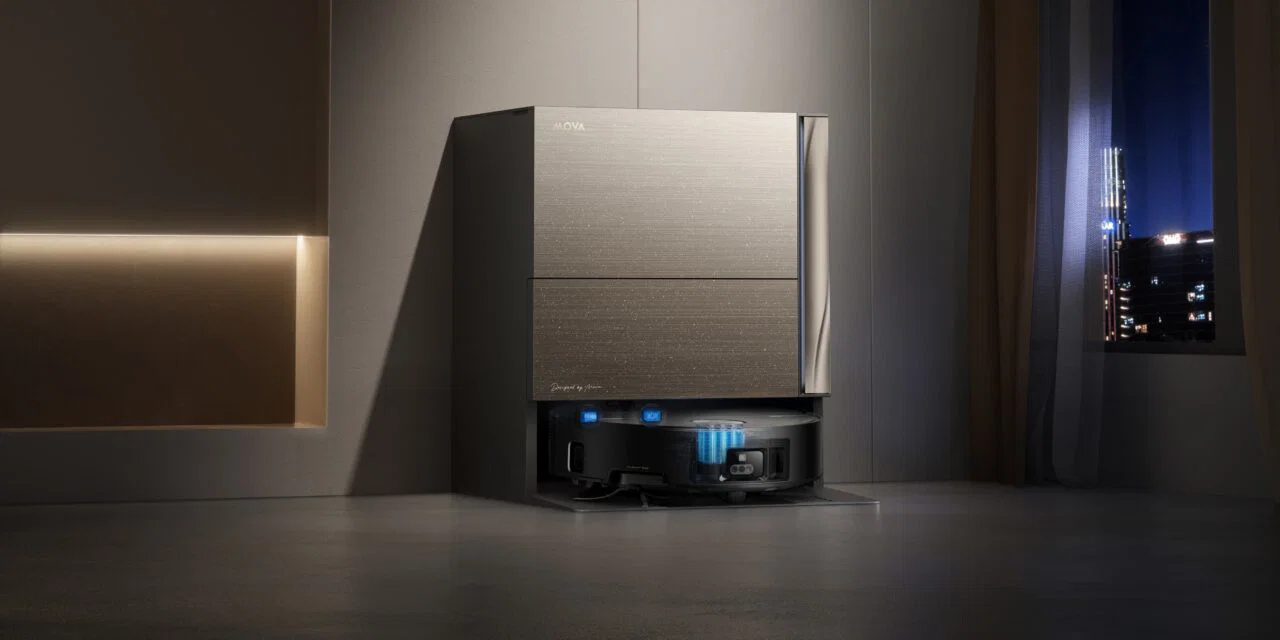
With a staggering 36,000Pa of suction, a roller mop that scrubs floors at 800 RPM and enough onboard intelligence to make some humans look decidedly underqualified, the MOVA Z70 is a serious piece of cleaning technology. But is it worth almost A$2,295?
If there is one consumer technology market that has become a downright bloodbath, it’s home robotics.
Every time I turn around, another Chinese robotics brand has arrived, promising to revolutionise the way Australians clean their homes.
Some have robotic arms, others claim they can climb stairs, and a few appear to be auditioning for a role in the next Transformers movie.
The competition is fierce, the technology is advancing at an extraordinary rate, and the marketing departments are having an absolute field day as I found out at the recent IFA show in Berlin where multiple brands showed off their robotic vacuum products.
But there is one fundamental question that often gets lost among the gimmicks.
Can the bloody thing actually clean properly?
That’s what I wanted to find out when I got my hands on the new MOVA Z70, a flagship robotic vacuum cleaner and mop that comes with an impressive collection of technology, including a continuous fresh-water roller cleaning system and a claimed 36,000Pa of suction.
And after putting it to work around my home, which has a combination of timber flooring, carpets and the usual obstacles that have defeated robotic vacuum cleaners in the past, I came away impressed.
Very impressed, actually.
Although I did discover that this particular robot occasionally likes to make its presence known, often loudly on occasions.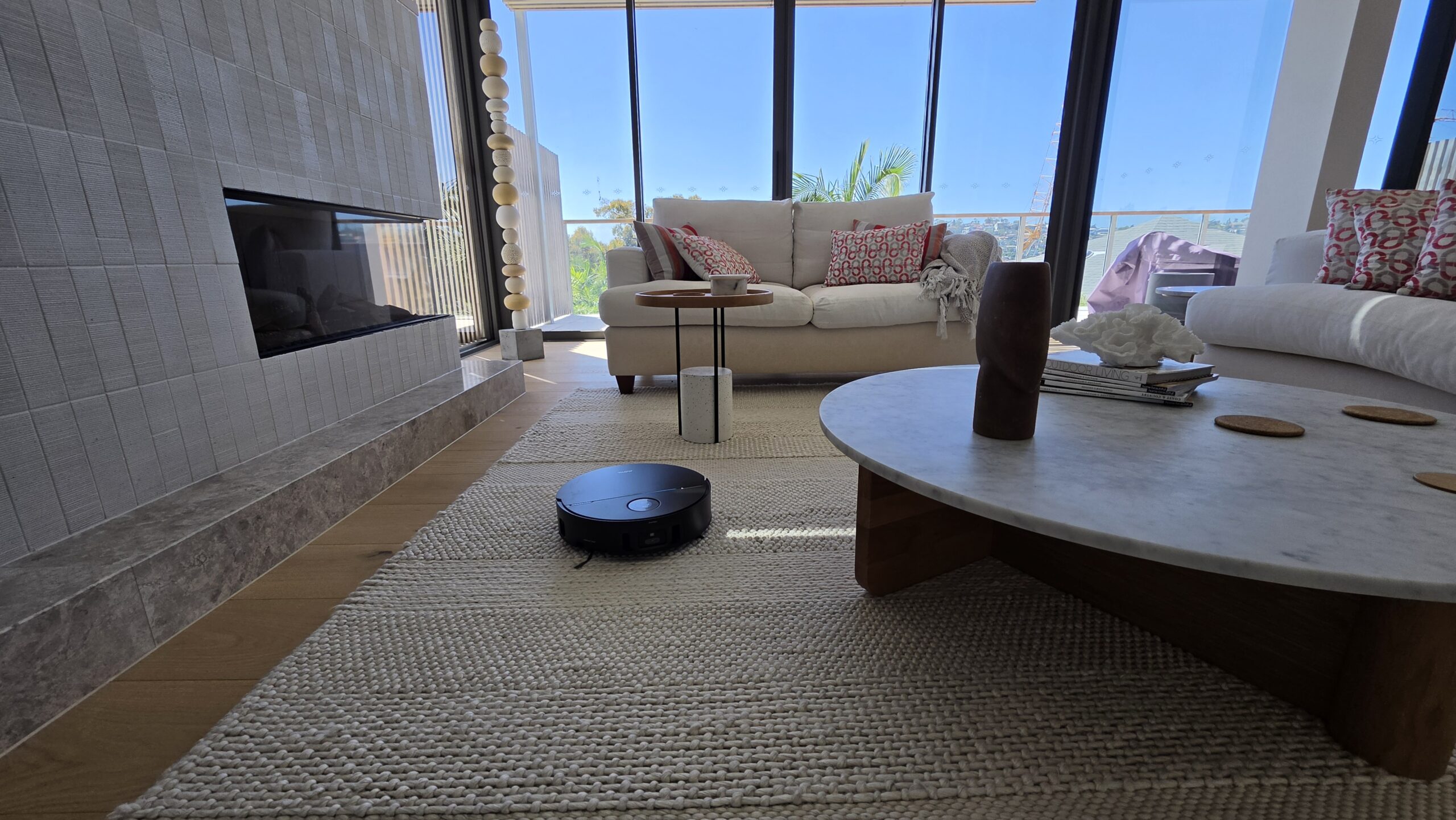
From iRobot To MOVA: The Robotics War Has Only Just Started
To understand just how far robotic vacuum cleaners have come, you have to acknowledge the companies that created the market.
iRobot, with its Roomba range, was one of the pioneers, followed by companies such as Ecovacs, which helped convince consumers that a small machine wandering around the house could actually replace a considerable amount of manual vacuuming.
In those early days, robotic vacuum cleaners were often more entertaining than effective.
They bumped into furniture, got stuck on rugs, became confused by chair legs and occasionally spent so much time trying to find their charging station that you wondered whether they needed counselling.
Today, the technology is vastly different.
Artificial intelligence, sophisticated sensors, laser navigation, advanced suction systems and automated cleaning stations have transformed these machines into serious household appliances.
And that is the fiercely competitive market MOVA has entered.
The brand is part of the new wave of Chinese robotics manufacturers that are challenging established names with increasingly sophisticated technology, aggressive pricing and products packed with features.
The Z70 is a perfect example.
It’s a flagship vacuum and mop that MOVA has engineered to do something rather more useful than perform party tricks.
It cleans.
And it cleans exceptionally well.
A$2,295 at The Good Guys, For A Vacuum Cleaner? You Had Better Be Joking.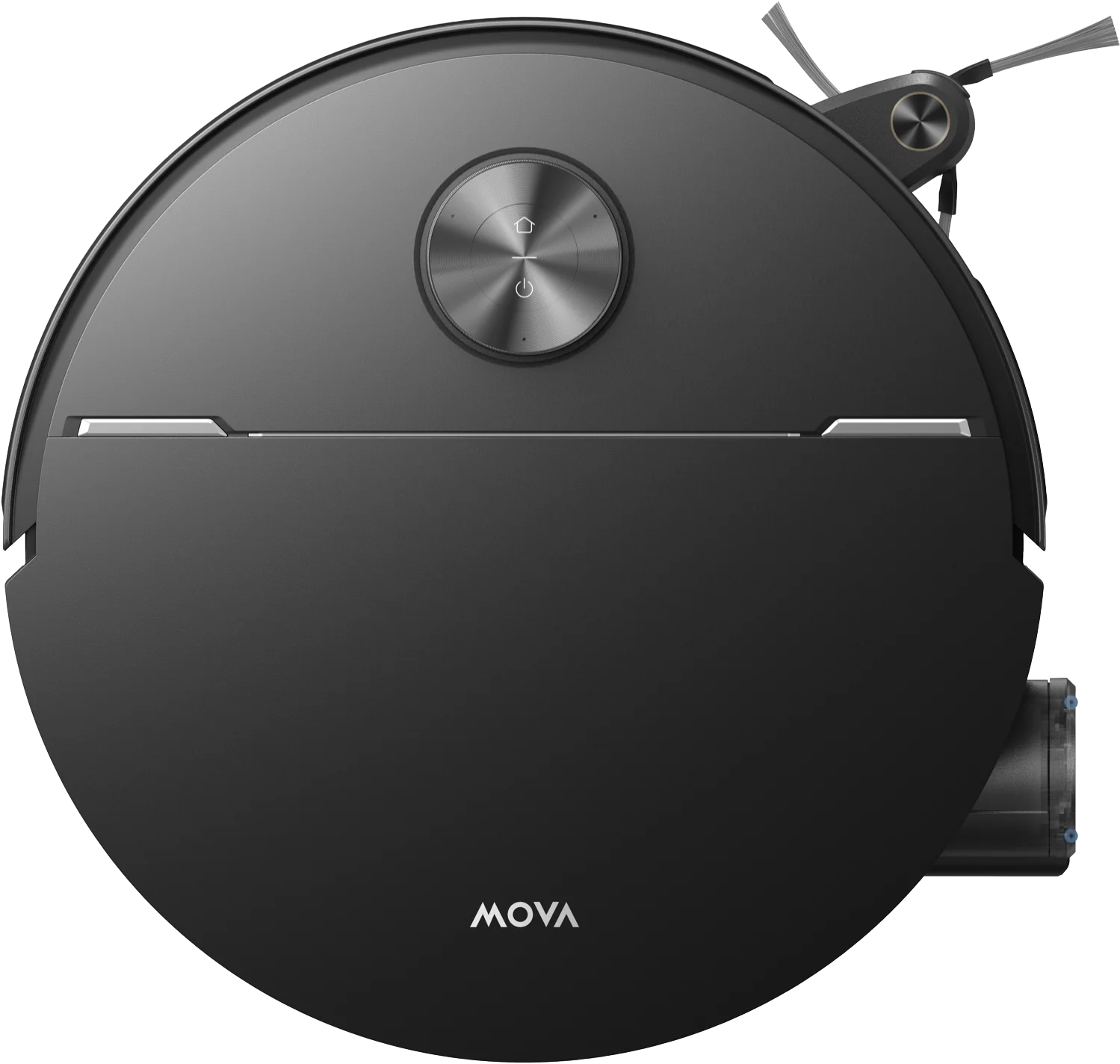
Let’s deal with the elephant in the room.
The MOVA Z70 carries a price tag of over $2,200 putting it firmly into premium robotic vacuum cleaner territory.That’s still a considerable amount of money for something whose primary job is collecting dirt.
For that sort of investment, I expect more than a glorified battery-powered dustpan with a smartphone app.
Fortunately, MOVA has delivered some genuinely impressive engineering.
The Z70 combines a high-pressure roller mopping system, powerful vacuum technology, intelligent carpet detection, obstacle climbing and a sophisticated cleaning station that washes and dries the mop after use.
The result is a machine designed to tackle the realities of Australian homes, where timber floors, tiles, rugs and carpets often coexist in the same room.
And this is where the MOVA starts to demonstrate why it deserves to be taken seriously.
The Roller Mop Is The Real Star Of The Show
Forget the suction figures for a moment.
The technology that really impressed me was MOVA’s HydroForce 2.0 roller mopping system.
Turn the robot over and you’ll discover a 270mm-wide microfibre roller that looks rather different from the rotating mop pads found on many competing machines.
The engineering behind it is clever.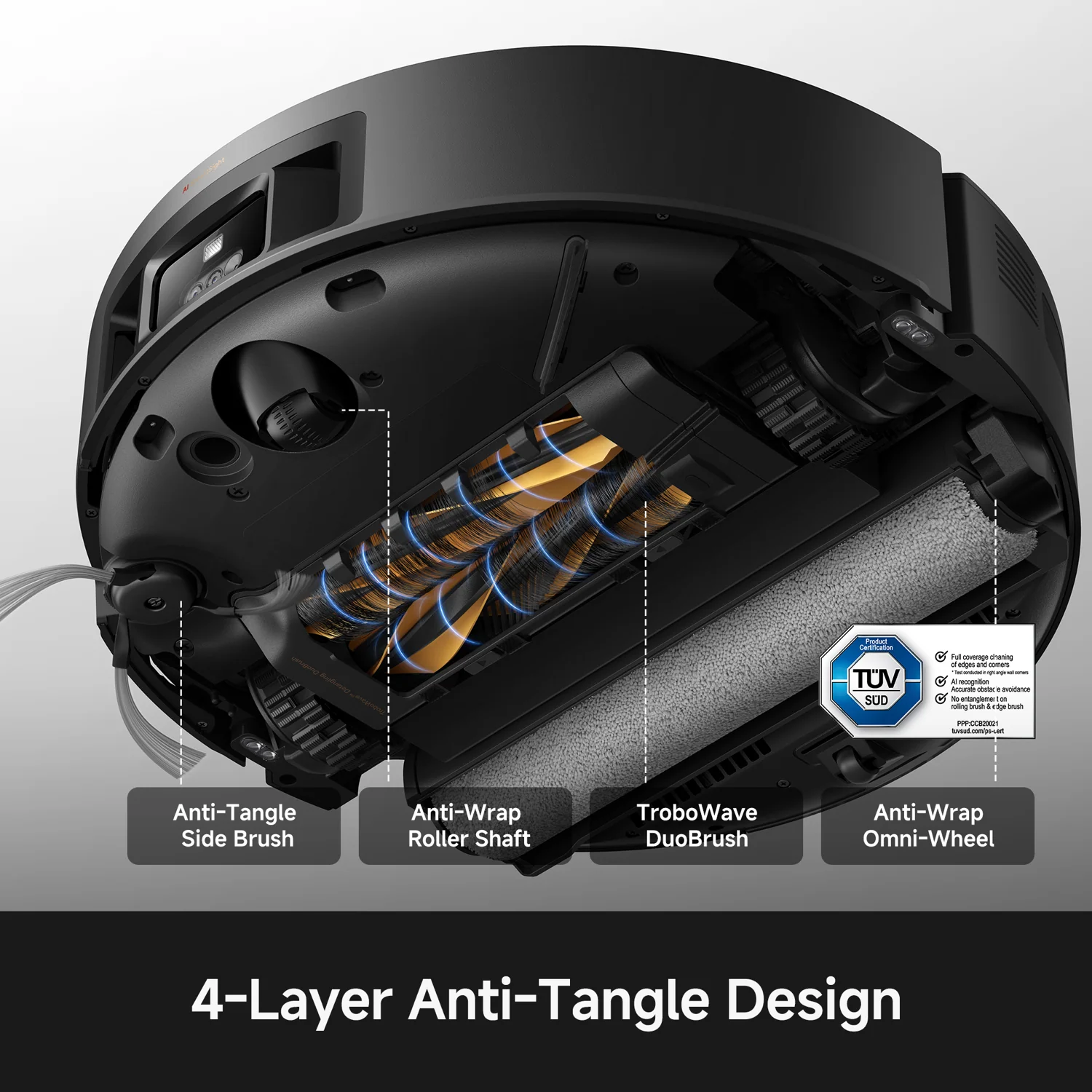
Twelve high-pressure water nozzles continuously deliver fresh water to the roller, which rotates at up to 800 RPM.
At the same time, the system applies a claimed 18 newtons of downward pressure, equivalent to roughly 1.8kg of force pushing the roller against the floor.
That’s serious scrubbing pressure for a robot that isn’t much bigger than a large dinner plate.
But here’s the important bit.
Unlike conventional mop systems that can end up dragging increasingly dirty pads around the house, MOVA’s HydroForce technology continuously cleans the roller as it works.
Fresh water is applied, the roller scrubs the surface, dirty water is scraped away, and the contaminated water is recovered into a separate tank.
It’s a continuous four-stage process: spray, mop, scrape and recover.
In practice, this makes a lot of sense.
After all, nobody would deliberately mop their kitchen floor with a dirty mop and then wander into the living room spreading the same grime around.
Yet that is effectively the weakness of some older robotic mopping systems.
MOVA’s approach is significantly more sophisticated.
On my timber floors, the system did an excellent job, and the ability to manage water delivery while continuously removing dirty water is a genuine advantage.
This isn’t simply a vacuum cleaner with a damp cloth attached to its backside.
It’s a proper floor-cleaning machine.
36,000Pa Of Suction: Enough To Frighten The Dust
The other headline feature is MOVA’s claimed 36,000Pa Hurricane Suction system.
That’s an enormous advertised suction figure for a robotic vacuum cleaner.
Of course, suction pressure alone doesn’t tell you everything about real-world cleaning performance.
Airflow, brush design, floor contact and the ability to extract dirt from carpet fibres are equally important.
But MOVA has combined its powerful suction motor with a TroboWave DuoBrush system featuring a four-layer anti-tangle design.
This is particularly important in homes with pets or people with long hair.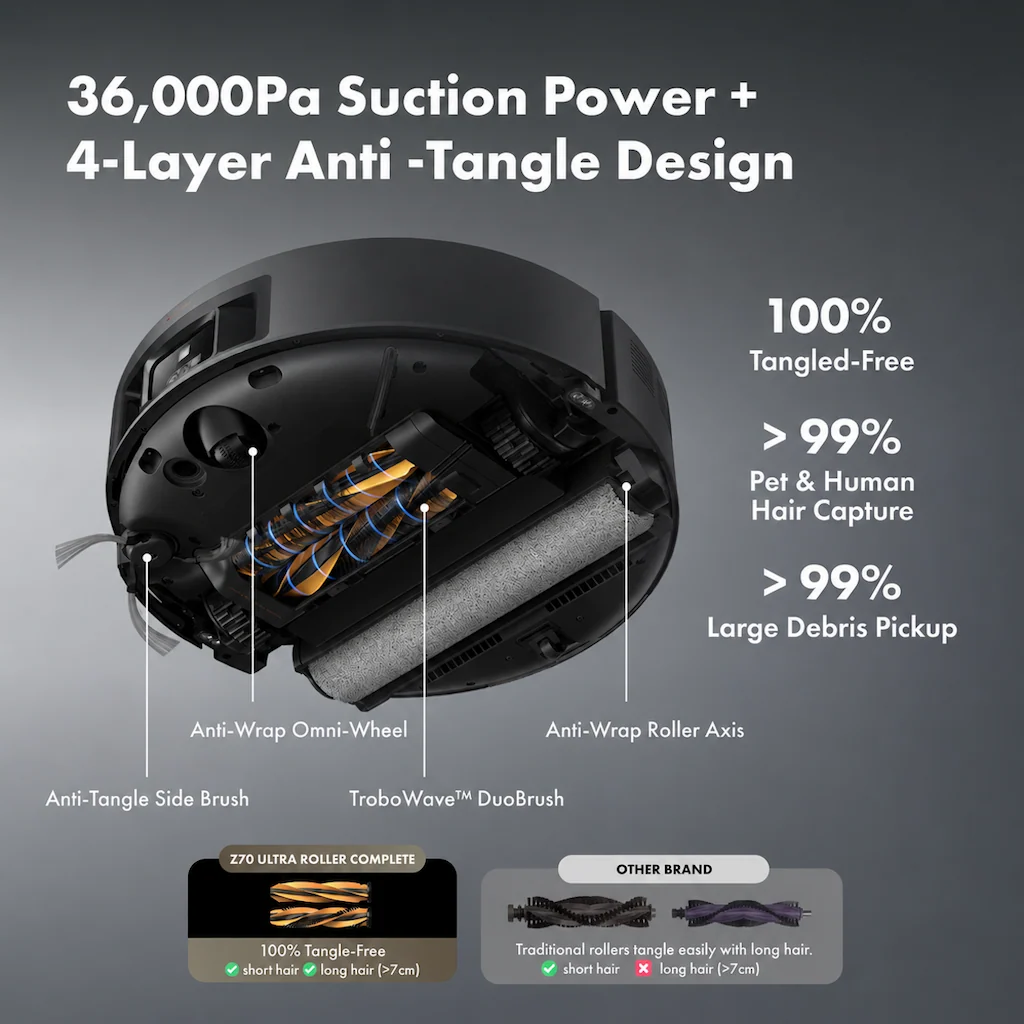
Anyone who has spent a Saturday morning cutting tangled hair out of a vacuum cleaner brush will appreciate the attraction.
The system is designed to reduce hair wrapping around the brushes while maintaining effective cleaning across different floor surfaces.
In my testing, the Z70 performed extremely well.
It handled the transition from timber flooring to carpet without requiring intervention, and its ability to tackle debris was impressive.
There is, however, one downside to all this cleaning muscle.
When the MOVA decides it has encountered a particularly challenging mess, it can become rather noisy.
At times, the increase in sound is noticeable.
This is not a machine that always goes about its business with the discretion of a butler in a five-star hotel.
Occasionally, it sounds more like someone has started a small industrial cleaning operation in the next room.
Personally, I can live with that.
I’d rather have a robot that makes a bit of noise and actually removes the dirt than one that quietly glides around the house leaving half the mess behind.
Nevertheless, noise management is an area where MOVA could make improvements.
Finally, A Robot That Knows The Difference Between Carpet And Timber
One of the most frustrating things about earlier robotic vacuum cleaners was their inability to deal intelligently with mixed floor surfaces.
A robot could be happily mopping the kitchen floor before wandering onto a rug and giving it an unwanted wash.
The MOVA Z70 has a much smarter approach.
Its AutoShield carpet protection system detects when the robot is moving from hard flooring onto carpet or rugs.
It then lifts the wet roller mop and deploys a protective shield designed to prevent moisture reaching the carpet.
The system works alongside the robot’s navigation and surface detection technology.
In my home, where timber flooring and carpet sit alongside one another, this proved to be one of the most valuable features.
The robot recognised changes in flooring and adjusted its cleaning behaviour automatically.
There was no need to rush across the room shouting at a robot that had decided my carpet needed a shampoo.
It simply got on with the job.
This is precisely the sort of practical intelligence that makes modern robotic cleaning technology worthwhile.
Not a gimmick. Not a marketing stunt.
Just clever engineering solving a genuine household problem.
It Climbs Obstacles Without Needing Mountaineering Lessons
Another feature that impressed me was MOVA’s StepMaster 2.0 technology.
The company claims the system can negotiate obstacles up to 9cm high under specified conditions.
That’s an impressive capability, although the maximum figure should not be interpreted as meaning the robot can climb every single 9cm vertical step it encounters.
Obstacle shape and configuration matter.
What I can confirm is that the Z70 handled a raised front door mat that had caused problems for several robotic vacuum cleaners I have previously tested.
Where other machines have stopped, struggled or simply given up, the MOVA moved across it without drama.
This might sound like a small achievement.
It isn’t.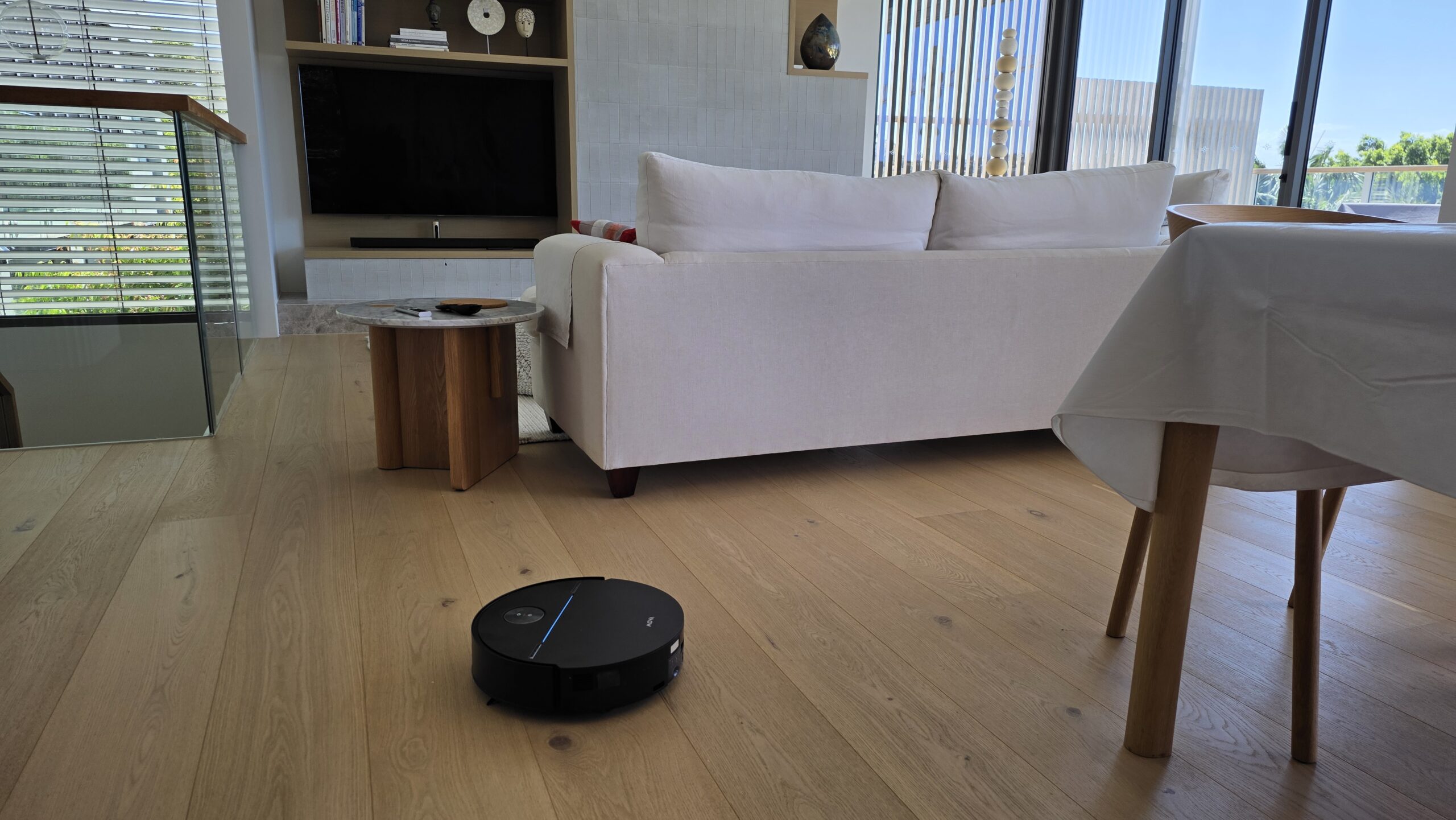
A robotic vacuum cleaner that requires rescuing every time it encounters a raised mat isn’t particularly intelligent, regardless of how many AI processors its manufacturer claims to have installed.
MOVA has also incorporated FlexScope navigation, which uses a retractable LiDAR module to reduce the robot’s height when necessary.
This allows it to access spaces beneath furniture with approximately 10cm of clearance.
Combined with RGB AI vision, dual 3D structured-light sensing and an LED fill light, the robot has an impressive collection of tools for navigating around a home.
The important point is that these technologies are there to improve cleaning coverage, not simply to provide another impressive specification for the packaging.
The Cleaning Station Is Clever, But It’s No Lightweight
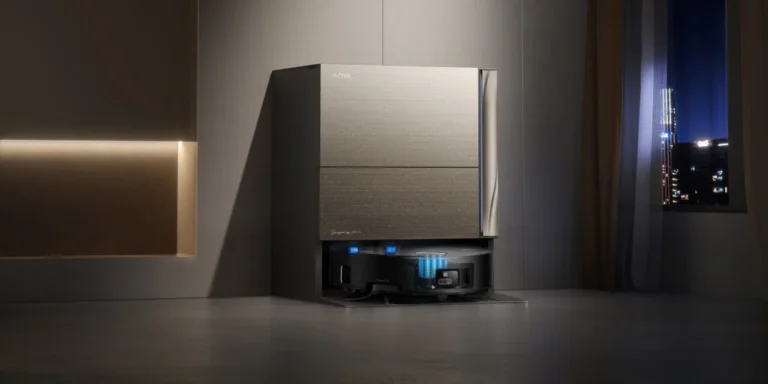
When the Z70 finishes cleaning, it returns to an all-in-one docking station that looks more like a compact piece of laboratory equipment than a conventional vacuum cleaner charger.
And the technology inside is impressive.
The station can wash the roller mop using water heated to a claimed 100°C, before drying it with air heated to 70°C.
It also automatically empties collected dust into a replaceable 4L bag, refills the robot’s cleaning system and manages cleaning solution.
MOVA claims the dust bag can provide up to 125 days of hands-free dust collection, depending on usage and household conditions.
Replacement bags cost approximately A$29 for a pack of three, based on the pricing supplied for this review.
There is also an integrated UV sterilisation feature, although consumers should not confuse the presence of UV technology with independent proof that every surface or component has been completely sterilised.
Overall, the station is thoughtfully designed and straightforward to operate.
However, there are two practical considerations.
First, the robot and docking station are heavy enough that you really want to decide where they’re going to live before setting everything up.
This isn’t something I’d recommend dragging from room to room.
Second, the water system requires attention.
During my testing, extended mopping sessions meant regularly emptying the dirty-water tank and refilling the clean-water tank.
In my experience, sessions lasting more than about 20 minutes could require water management, depending on the cleaning task.
That’s an important consideration for buyers expecting to fill the station once and forget about it for weeks.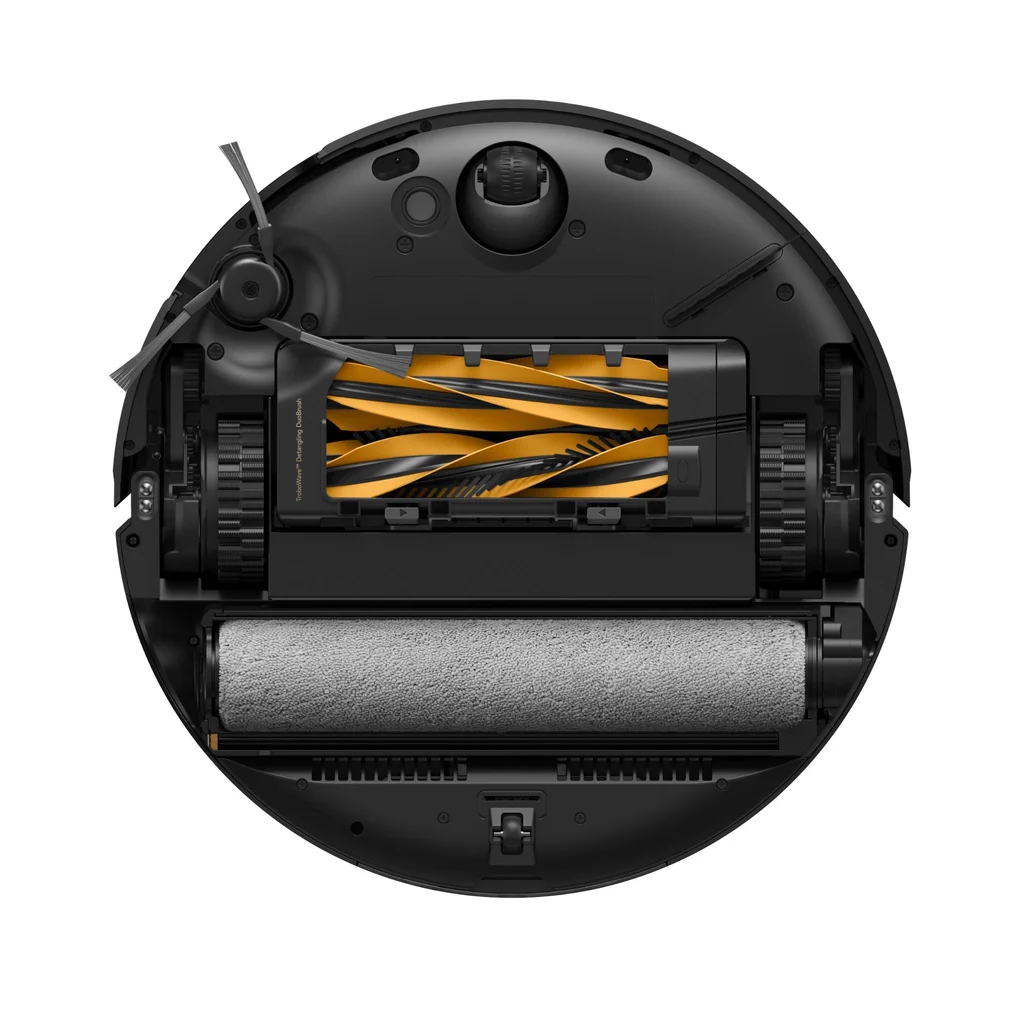
The dust disposal system may offer extended hands-free operation, but the water tanks are another matter.
The Z70 significantly reduces manual floor cleaning, but it doesn’t eliminate household maintenance altogether.
Someone still has to deal with the dirty water.
And unless MOVA has secretly developed a robot capable of emptying its own waste tank into the laundry sink, that someone is you.
The App And Intelligence Matter As Much As The Hardware
One of the reasons I was particularly interested in testing MOVA was to see how easily its technology could be managed.
Modern robotic vacuum cleaners have become increasingly sophisticated, but that sophistication can quickly become a liability if consumers need an engineering degree to operate them.
The Z70’s strongest intelligent features are the ones that work automatically.
Its ability to identify different floor surfaces, adjust cleaning modes, navigate obstacles and manage its mopping system removes much of the intervention associated with earlier robotic cleaners.
That’s where I believe robotics manufacturers should be concentrating their efforts.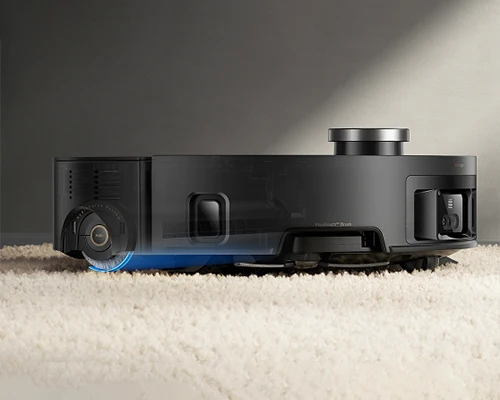
Consumers don’t necessarily want another complicated device demanding constant attention through a smartphone.
They want clean floors.
The best smart-home technology is often the technology you barely notice because it simply works.
MOVA Has Concentrated On Cleaning, Not Circus Tricks
One of the things I like about the Z70 is MOVA’s apparent determination to concentrate on the fundamentals.
Right now, the robotic vacuum cleaner industry seems to be engaged in a competition to see who can produce the most elaborate mechanical party trick.
We’ve seen robotic arms designed to move objects and demonstrations of machines attempting to negotiate stairs.
Some of these developments are genuinely interesting and may eventually become useful household technologies.
But I would argue that many consumers would prefer manufacturers to concentrate on improving suction, floor scrubbing, navigation, reliability and maintenance.
That’s where the real value lies.
The Z70 doesn’t need to pick up my socks and wave them around the room to impress me.
It needs to clean the floor properly, avoid soaking my carpets, get over the front door mat and return to its station without requiring a rescue mission.
On those measures, MOVA has done an excellent job.
MOVA Z70: Key Specifications
Feature
MOVA Z70
Maximum suction
36,000Pa Hurricane Suction
Mopping system
HydroForce 2.0 continuous fresh-water roller
Roller width
270mm
Roller speed
Up to 800 RPM
Mopping pressure
18N
Water delivery
12 high-pressure nozzles
Main brush
TroboWave DuoBrush, four-layer anti-tangle
Obstacle climbing
StepMaster 2.0, claimed up to 9cm
Navigation
FlexScope retractable LiDAR
Obstacle detection
RGB AI vision and dual 3D structured light
Carpet protection
AutoShield mop lifting and protective cover
Battery
6,400mAh
Charging
Claimed 30% faster charging
Mop washing
Up to 100°C
Mop drying
70°C hot air
Dust bag
4L, claimed up to 125 days
Additional sanitation
Integrated UV system
Indicative premium price
Up to A$2,995
Verdict: An Excellent Cleaner that is well engineered
After spending time with the MOVA Z70, my opinion is straightforward.
This is an excellent robotic vacuum cleaner that has been engineered to do the job it was designed for, rather than simply impress consumers with gimmicks.
Its strongest features are the continuous fresh-water roller mopping system, powerful suction, intelligent carpet protection and ability to navigate obstacles that have defeated other robotic cleaners I’ve tested.
The engineering is impressive, particularly the way MOVA has integrated its cleaning technologies into a system that can move between timber flooring and carpet with minimal intervention.
There are some weaknesses.
It’s expensive, it’s heavy, and at times it can be noisy.
The water tanks also need more regular attention than some buyers might expect from a product marketed around automated cleaning.
And while the docking station is sophisticated, it doesn’t entirely remove the need for human involvement.
But these are relatively minor criticisms when measured against the Z70’s core cleaning performance.
I would much rather have a robotic vacuum cleaner that delivers excellent suction and genuinely effective mopping than one that can perform a series of impressive mechanical tricks while leaving dirt behind.
MOVA is entering a fiercely competitive market dominated by established brands, including Ecovacs, Roborock, Dreame and Anker/Eufy
It will need to prove its long-term reliability, after-sales support and ability to maintain a competitive position as rivals continue to introduce new technology.
But based on my experience with the Z70, the company has a product that deserves serious consideration.