Apple Watch AI Listening Features Raise Fresh Privacy And Legal Questions
 April Ossington
14 Sep 2026
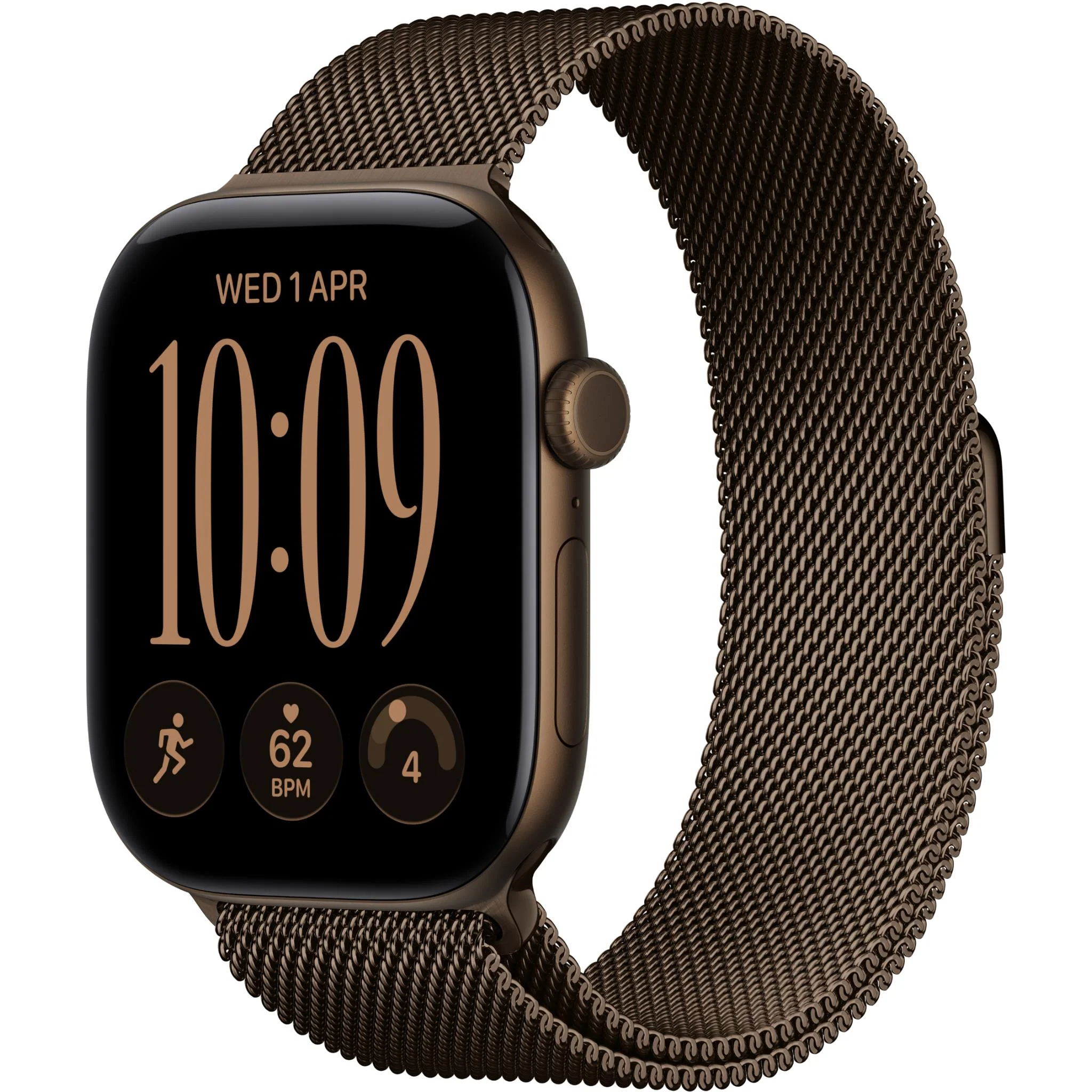
Apple’s latest AI features for the Apple Watch Series 12 and Ultra 4 are attracting legal scrutiny in the US, with privacy lawyers questioning whether always-on speech processing could fall foul of state eavesdropping laws.
The new Siri Recap feature is designed to summarise conversations a wearer has had during the day, while Live Rewind can show a transcription of the previous 15 seconds of speech after the user double-presses the watch’s crown.
Apple says neither feature creates or stores a conventional audio recording. Audio is processed on-device, while Live Rewind also produces an audible alert when activated.
However, lawyers in several US states say the technology could test laws that require all parties to consent before a private or confidential conversation is intercepted or recorded.
The legal uncertainty centres on whether continuously analysing spoken conversations could still amount to an interception, even when no audio file is created or retained.

The issue is particularly relevant in states including California, Massachusetts, Pennsylvania and Washington, where consent requirements can be stricter than in other parts of the US.
Apple argues that the features are designed as memory aids rather than recording tools. Siri Recap does not identify individual speakers by name and is intended to avoid including some categories of sensitive information, including financial details, personal identifiers and authentication information.
Live Rewind content is also designed to disappear around 30 seconds after the watch display dims unless the user chooses to save it. Siri Recap summaries are automatically deleted after seven days unless retained by the user.
Both functions can be disabled, while users can also restrict when and where the features operate.
Apple says the underlying audio is handled by secure hardware that cannot be accessed by the operating system, Apple or other parties.
Despite those safeguards, privacy advocates argue that people nearby may have little practical opportunity to know when their conversations are being analysed.
The Electronic Frontier Foundation has raised concerns about the wider privacy implications of always-on conversational monitoring, while legal specialists say courts may eventually have to determine whether emerging AI processing fits within existing wiretapping and eavesdropping laws.
The debate comes as technology companies increasingly develop wearables that can listen, analyse and summarise activity throughout the day.
Meta’s smart glasses have already raised similar concerns around recording in public and private spaces, while dedicated AI recorders from companies such as Plaud and Pocket generally require users to actively start recording.
Apple is also reportedly developing more camera-equipped wearable products, including future AirPods and smart glasses, making the legal questions around its latest Watch features potentially significant for a wider generation of AI devices.