Apple to Open Siri to Rival AI Assistants
 Joe Gallop
30 Mar 2026
Joe Gallop
30 Mar 2026

Apple is preparing a major shake-up of its virtual assistant, with plans to open Siri to competing AI services in its upcoming iOS 27 update.
According to reports, the overhaul will allow third-party AI apps, including Google’s Gemini, Anthropic’s Claude and others, to plug directly into Siri via a new ‘Extensions’ system. The feature is expected to be unveiled at Apple’s Worldwide Developers Conference (WWDC) on June 8.
Currently, Siri can hand off more complex queries to OpenAI’s ChatGPT through a limited integration introduced with Apple Intelligence in 2024. But that arrangement has been exclusive – something Apple now appears ready to abandon in favour of a broader, more open ecosystem.
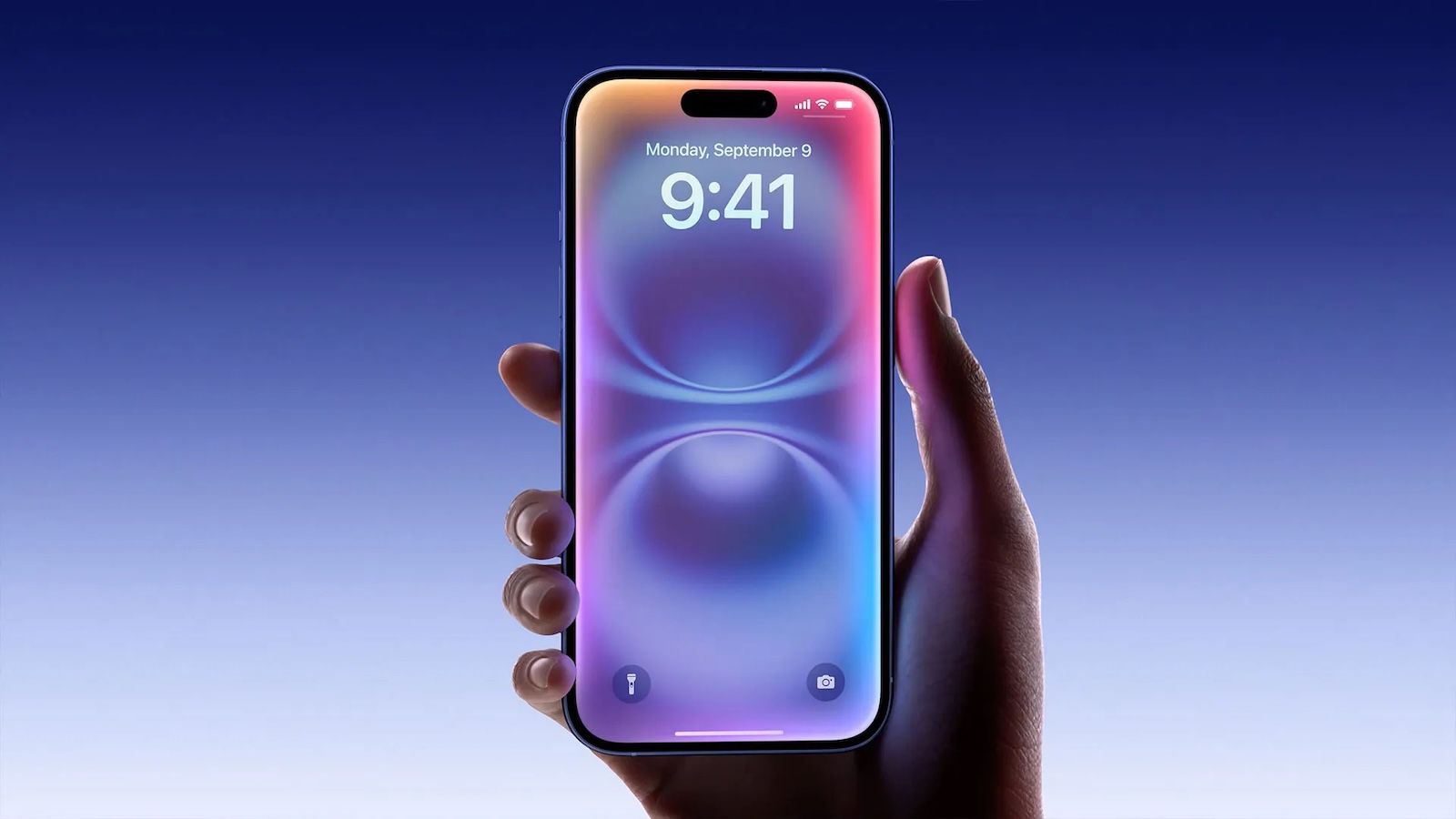
Under the new system, users will be able to install AI chatbot apps from the App Store and choose which service handles specific requests. This could allow iPhone users to switch between different AI models depending on the task, such as drafting emails, summarising content or answering technical questions.
The move signals a shift in Apple’s AI strategy. Rather than relying solely on its own models, the company is positioning Siri as a gateway to multiple AI providers – effectively turning the assistant into a distribution platform.
For Apple, the upside isn’t just improved functionality. Opening Siri to third-party services could also drive new revenue through App Store commissions on AI subscriptions, extending its lucrative services business.
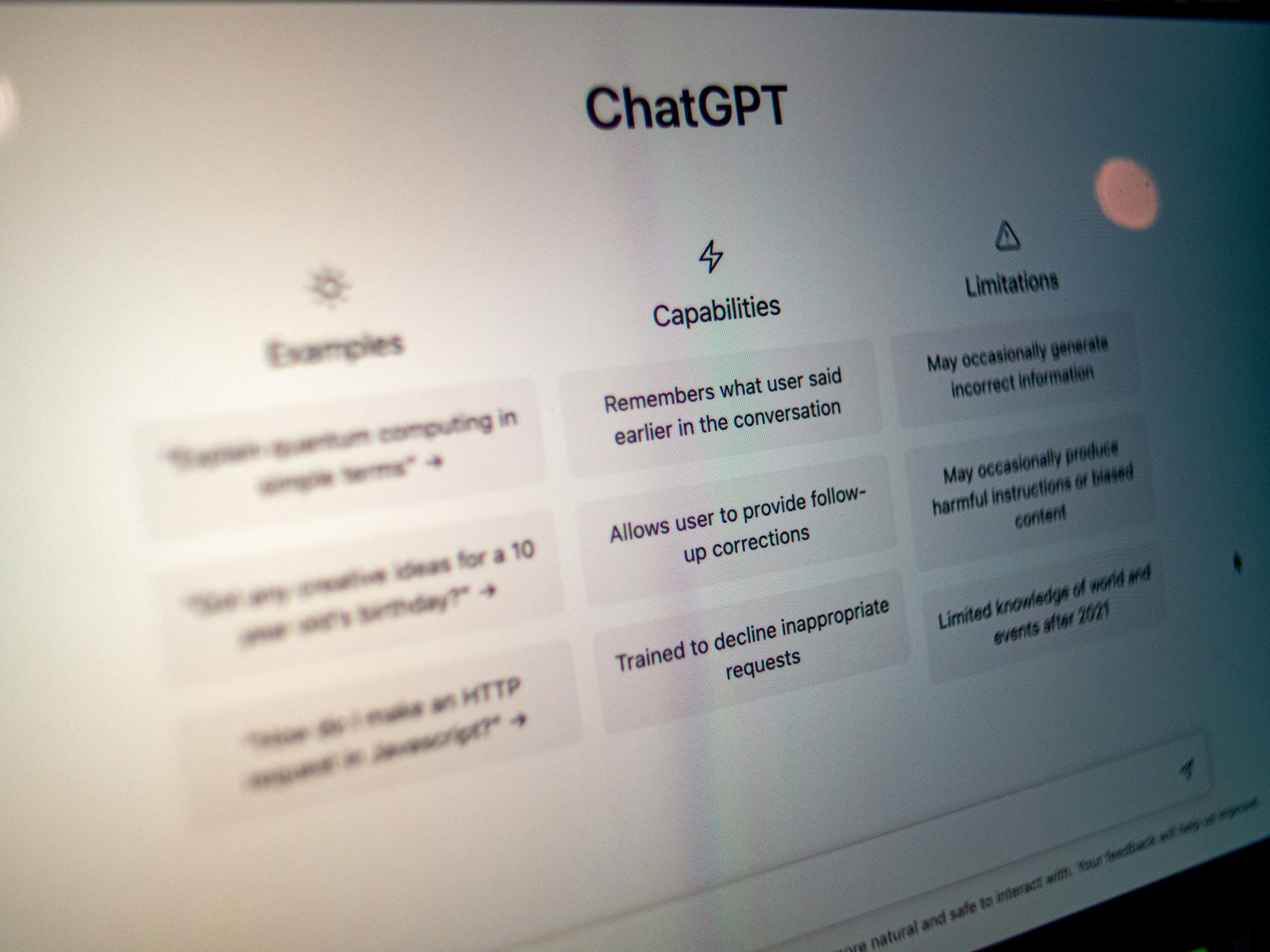
The change comes as Apple faces growing pressure from rivals including Google, Microsoft and OpenAI, which have rapidly advanced their AI offerings.
Siri, first launched in 2011, has struggled to keep pace. Revamping it is seen as central to Apple’s broader AI ambitions.
There are still open questions around how “open” the system will be. Apple is expected to set approval rules for which AI apps can integrate with Siri, and it may retain advantages for preferred partners.
Even so, the shift could mark the most significant evolution of Siri in over a decade, transforming it from a standalone assistant into a flexible AI hub across iPhone, iPad and Mac.