Apple HomeView Nobbled By EU Roadblock, Missing Apps And Questions Over Entertainment Claims
 David Richards
15 Oct 2026
David Richards
15 Oct 2026
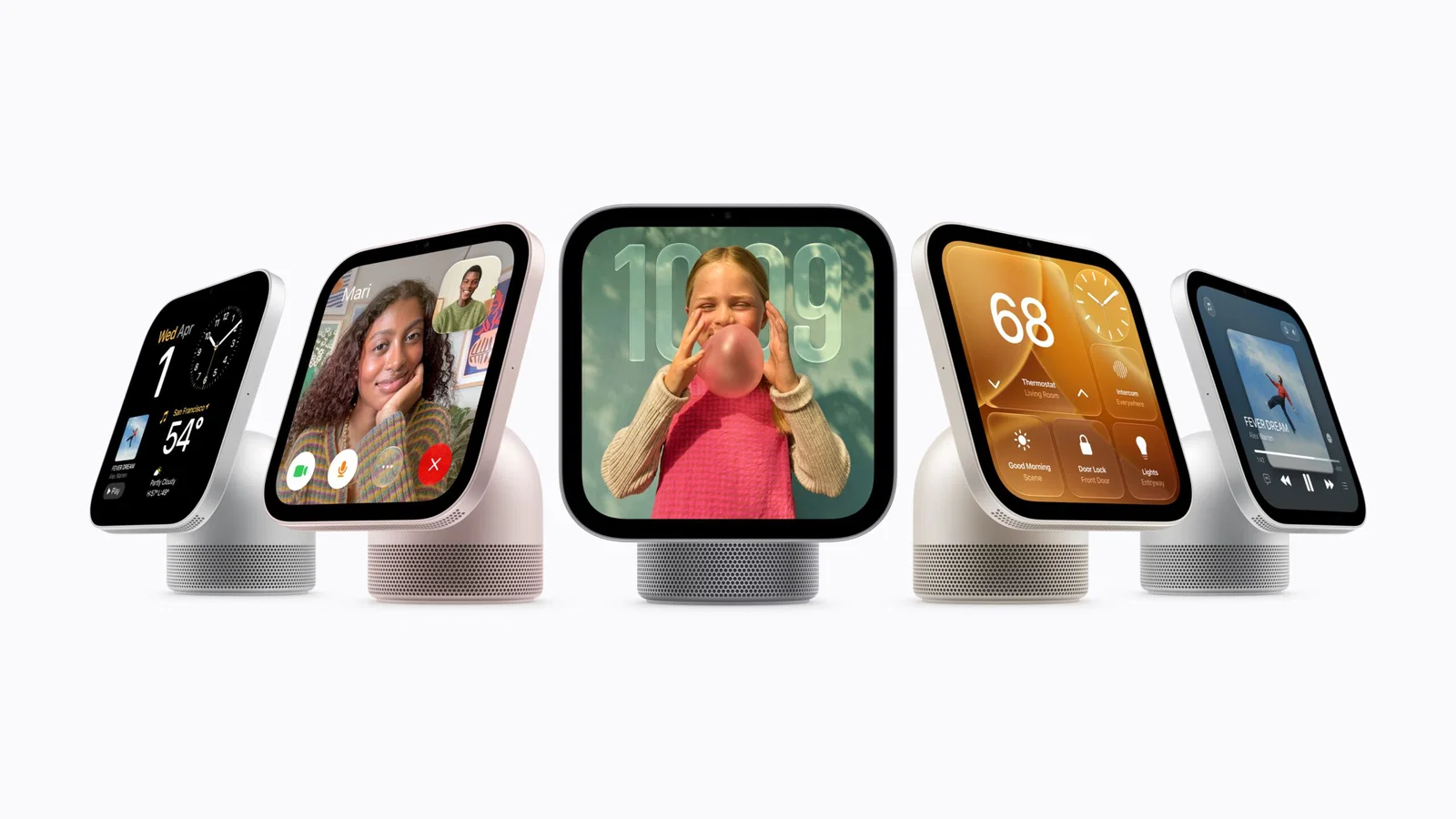
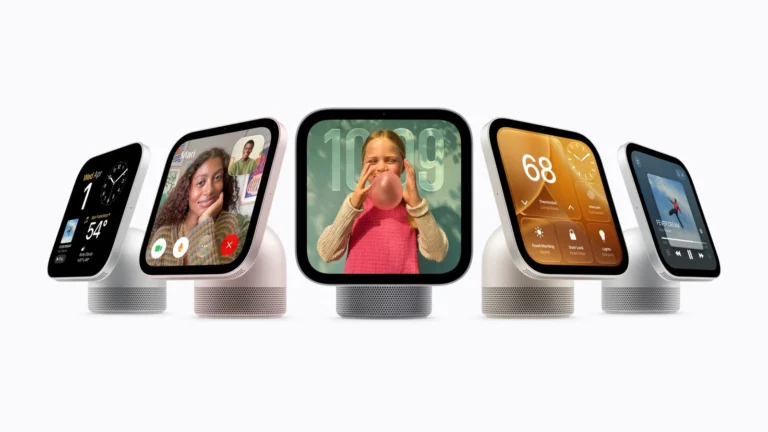
Apple’s latest attempt to muscle its way into the smart home market has run into problems, with its new HomeView device facing European regulatory restrictions, questions over its entertainment capabilities and growing uncertainty over whether third-party manufacturers will embrace another Apple-controlled ecosystem.
The US technology giant, which is attempting to take on Samsung, Google and Amazon in the increasingly competitive home automation market, is facing questions over why its new entertainment and smart home hub cannot independently run several of Apple’s own premium content services.
Despite being promoted as a device that combines home automation with entertainment, HomeView reportedly requires users to connect an iPhone to access Apple TV content, Apple Books audiobooks, Apple Music Classical and Apple News+.
Instead of accessing these services directly, users must rely on Apple’s AirPlay technology to stream content from an iPhone.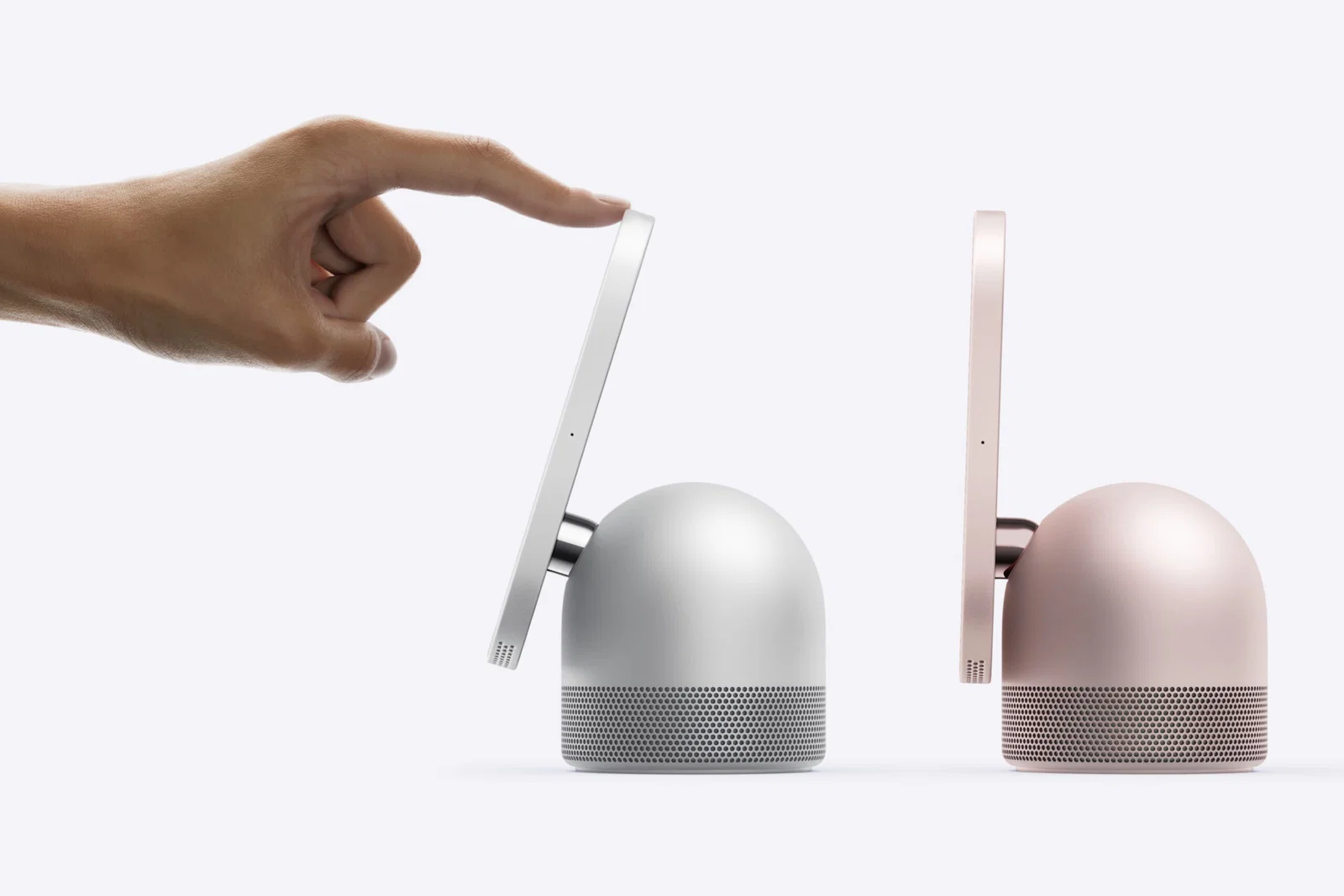
For a company that has spent years promoting the seamless integration of its hardware, software and services, the limitations raise an obvious question: why does Apple’s latest connected-home product need another Apple device to deliver basic entertainment functions?
The problem is particularly embarrassing given that Apple is pitching HomeView as a device that consumers can use to watch entertainment, listen to music and manage connected appliances while moving around their homes.
Apple’s own promotional material reportedly depicts Apple TV content playing on HomeView, although the requirement to use an iPhone is disclosed in the accompanying fine print.
The restrictions leave Apple exposed to competitors that have spent years developing smart displays capable of accessing entertainment services without requiring consumers to own another device.
Amazon’s Echo Show range offers native access to Prime Video on supported models, while Google’s Nest Hub provides direct access to YouTube.
Apple, despite controlling its own streaming, music, news and audiobook services, appears unable to offer equivalent standalone functionality across several of those services on its new hardware.
The limitations threaten to undermine one of HomeView’s central selling points at a time when consumers are being asked to invest in yet another connected device.
European Regulatory Problems Threaten Apple’s Smart Home Ambitions
Compounding Apple’s problems are reported restrictions affecting HomeView’s availability in the European Union, one of the world’s largest consumer technology markets.
Apple has linked the European availability of certain advanced Siri features to its concerns over the European Union’s Digital Markets Act, legislation designed to prevent powerful technology companies from using their dominant market positions to disadvantage competitors.
The dispute raises the prospect of Apple’s new smart home strategy being disrupted before it has established a meaningful presence in Europe.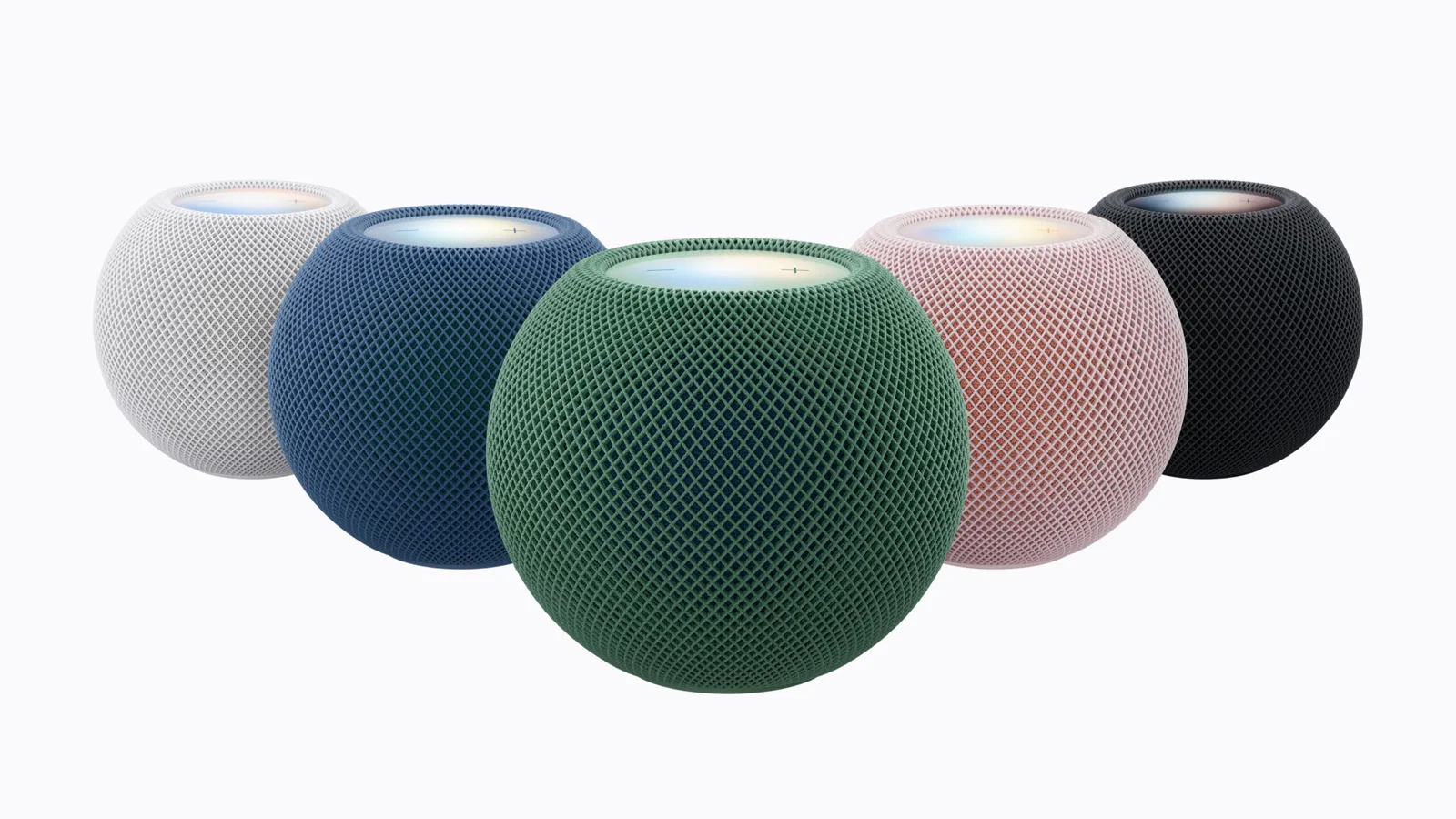
It also creates uncertainty for third-party manufacturers hoping to capitalise on Apple’s renewed push into connected homes.
LG Electronics and Schneider Electric are among the companies with established smart home technologies that could benefit from closer integration with Apple’s ecosystem.
However, any restriction on Apple’s ability to sell HomeView across European markets could complicate the commercial case for manufacturers developing compatible products.
The issue is particularly significant for LG, which is seeking to expand its connected-home business and establish a stronger position in a market where Samsung already has a substantial advantage through SmartThings.
For manufacturers, the commercial question is whether Apple can deliver enough customers to justify additional engineering, certification, marketing and support costs.
A restricted European rollout would hardly strengthen that argument.
The broader concern for Apple is that regulatory disputes involving its software ecosystem could increasingly influence the commercial prospects of new hardware categories.
Apple’s Billion Dollar Battles With European Regulators
The HomeView setback comes against a backdrop of increasingly expensive confrontations between Apple and European regulators.
Apple has repeatedly challenged attempts to loosen its control over the iPhone ecosystem, payment systems, app distribution and the commercial relationships between developers and consumers.
In September 2024, Europe’s highest court upheld a ruling requiring Ireland to recover approximately €13 billion, equivalent to roughly A$22.8 billion, in unlawful tax advantages granted to Apple.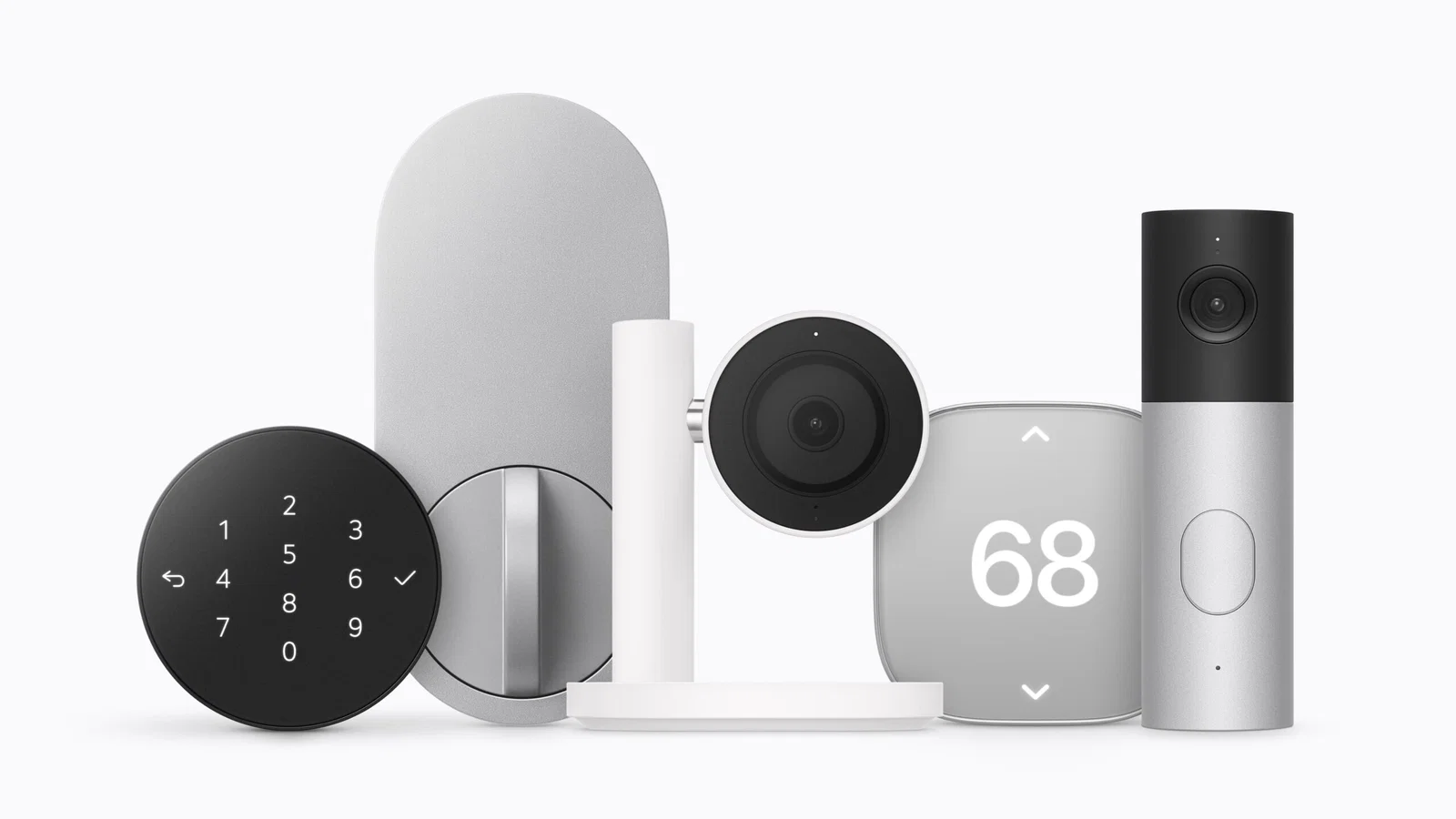
That case was not a conventional regulatory fine, but it represented one of the largest financial setbacks in Apple’s European history.
In March 2024, European regulators imposed a €1.84 billion penalty, approximately A$3.22 billion, after finding that Apple had abused its dominant position by preventing music streaming developers from informing customers about cheaper subscription options outside its App Store.
Another blow followed in April 2025 when the European Commission fined Apple €500 million, approximately A$875 million, for breaching the Digital Markets Act’s rules governing how developers can direct customers to alternative purchasing arrangements.
Those disputes highlight the growing tension between Apple’s tightly controlled commercial ecosystem and European regulators determined to open technology markets to greater competition.
Apple argues that some interoperability obligations risk compromising security and privacy, particularly where third-party companies are given greater access to sensitive operating system functions.
European regulators, however, have maintained that dominant technology companies cannot use their control over operating systems and distribution channels to unfairly restrict competition.
Now that conflict has become a problem for Apple’s latest hardware ambitions.
Importantly, the EU has not announced a formal prohibition specifically targeting HomeView. Apple itself has confirmed that the device will not be sold in the region because its upgraded Siri AI is unavailable on iOS there.
The distinction matters, but the commercial outcome is the same: Apple is launching a major new consumer product without access to the European Union market.
Apple has provided no timetable for resolving the dispute.