Apple Home Hub Leak Points To Watch-Style Interface And Two Designs
 April Ossington
20 Aug 2026
April Ossington
20 Aug 2026
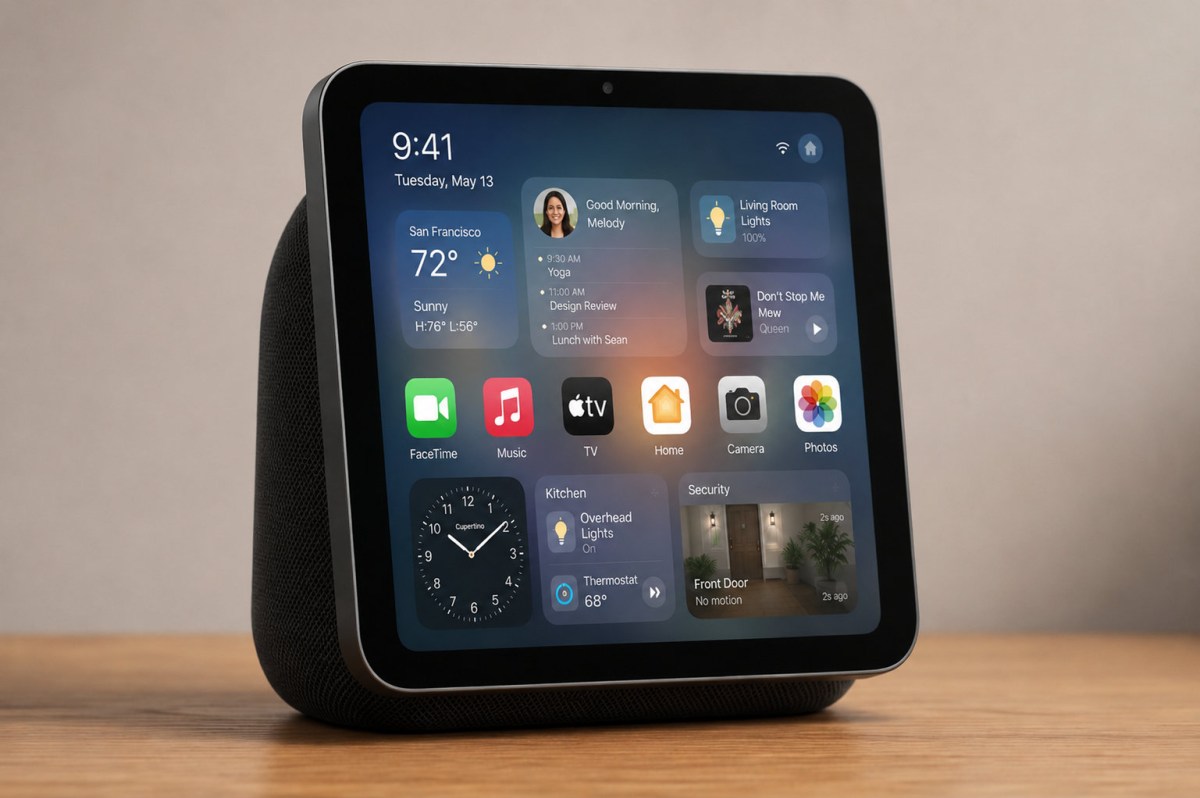
Apple’s long-rumoured smart home display has surfaced again, with references discovered in macOS code offering fresh clues about how the upcoming device could work.
Often referred to unofficially as the HomePad or Home Hub, the product is expected to combine a screen with smart home controls and other connected features. Apple has yet to confirm its final name or formally announce the hardware.
New information uncovered in the macOS 26.7 beta suggests the device will run software derived from tvOS, but its interface could have more in common with the Apple Watch than the Apple TV.
Code reportedly includes references to “Faces” and a “Face Gallery”, indicating users could customise the Home Hub’s main screen using different layouts. The approach sounds similar to Apple Watch faces, adapted for a substantially larger display intended to remain visible around the home.
Widgets are expected to play a major role in the interface. Users could potentially configure different faces with widgets and Smart Stacks to display frequently needed information or provide quick access to connected services.
The software references also indicate that widgets from iPhone apps could appear on the Home Hub. This could give existing iPhone applications a relatively straightforward way to provide information on Apple’s new smart home platform.
Apple also appears to be considering how personal information will be handled on a display that could be accessible to multiple people within a household.
According to details found in the code, private information contained within widgets would only become visible when the owner’s iPhone is nearby. Such a system could allow the Home Hub to function as a shared household display while limiting access to personal information when the relevant user is away.

The software findings also point towards two versions of the hardware. One is reportedly being developed with a speaker base, creating a product closer to a conventional smart speaker with an integrated screen.
A second model is said to be designed for wall mounting. That configuration could give Apple a more permanent smart home control panel capable of managing accessories and displaying information from a central location.
The combination would allow Apple to target different parts of the smart home market with the same underlying platform. A speaker-equipped version could compete more directly with countertop smart displays, while a wall-mounted model could serve as a dedicated home control interface.
Reports suggest the device could arrive before the end of 2026, although Apple has not confirmed a launch date.
Pricing also remains unknown, including how much either version might cost in Australia.
The latest software discoveries nevertheless provide further evidence that Apple’s smart display project is progressing, while offering an early indication of how the company could bring elements of the Apple Watch and iPhone experience into a dedicated smart home device.
Featured photo from GSMArena