Apple Braces for Leadership Shake Up as Incoming CEO Inherits Talent Exodus, Product Gaps
 David Richards
31 Aug 2026
David Richards
31 Aug 2026
Apple is set to undergo a sweeping leadership transition this week as incoming CEO John Ternus assumes control of a company besieged by executive departures, stagnating product innovation, and intensifying competitive threats, according to internal accounts and industry reports.
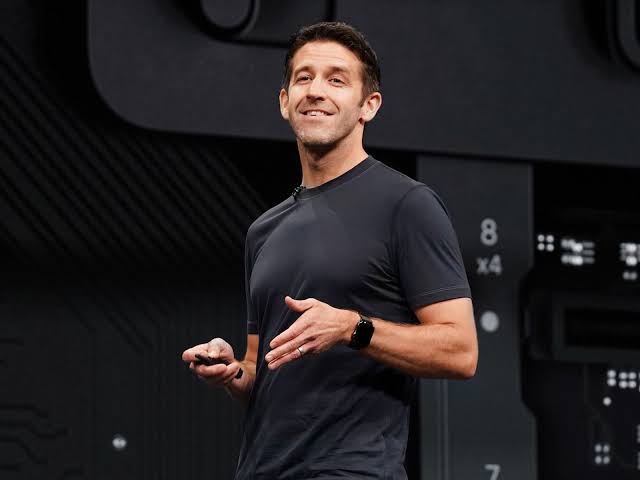
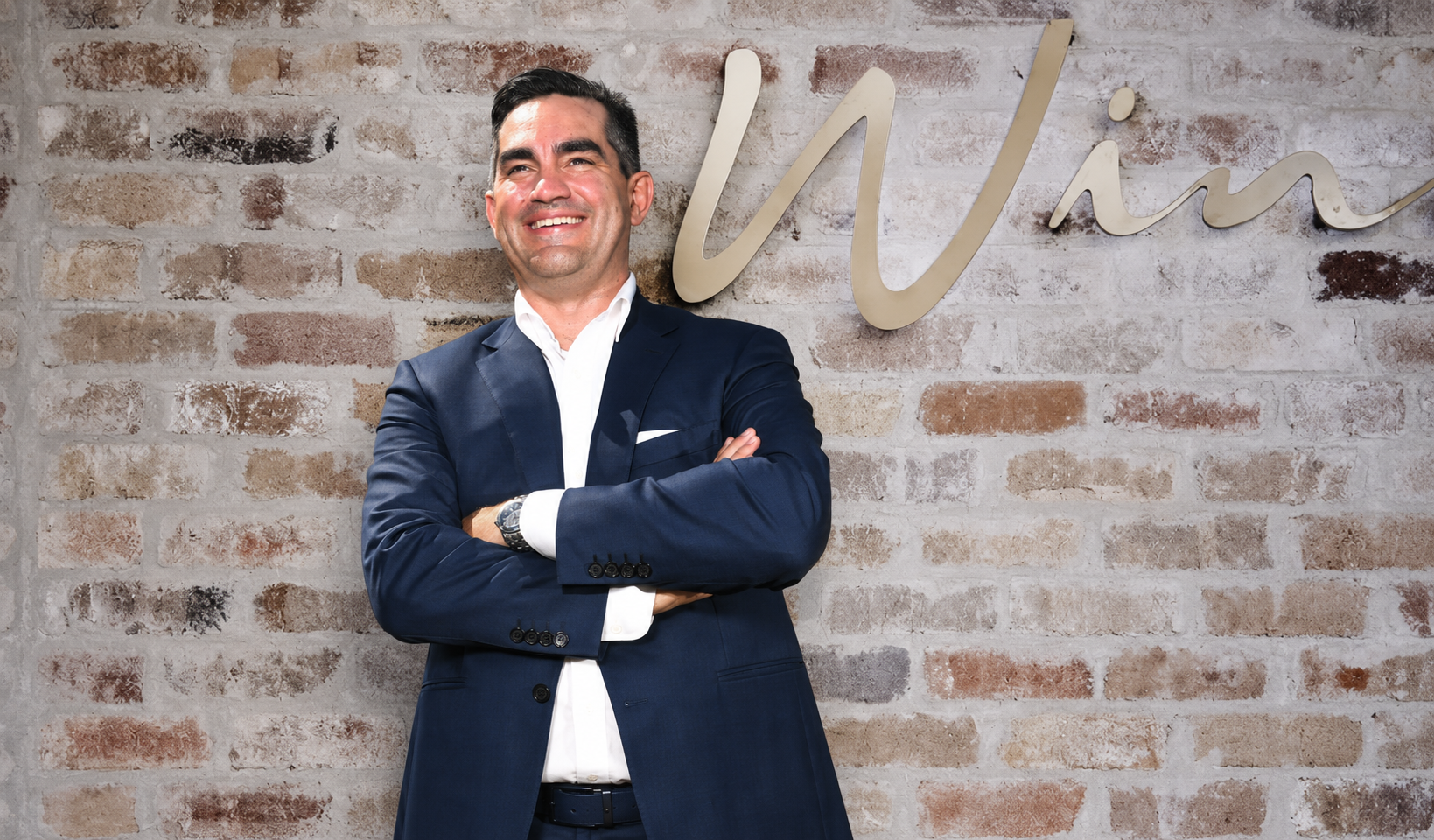
New Apple CEO CEO John Ternus
Ternus, a longtime hardware executive, takes the helm from outgoing chief Tim Cook, who leaves behind what sources describe as a growing cascade of challenges.
Among them: a sustained exodus of senior leadership, including the departures of former Chief Financial Officer Luca Maestri in late 2024, Chief Operating Officer Jeff Williams in late 2025, and most recently General Counsel Kate Adams and environment chief Lisa Jackson.
The turnover has now reached critical levels, with Bloomberg reporting that Ternus must urgently fill vacancies across hardware, marketing, retail, and human resources, functions deemed essential to Apple’s global operations.
Compounding the leadership void is the defection of former design chief Jony Ive, who has reportedly poached more than 350 former Apple staff for a new hardware venture with OpenAI. Ive, a close collaborator of the late Steve Jobs, is developing a screenless, AI-first device described as a ring-shaped smart speaker with a hockey-puck form factor, priced between $300 and $400. Sources indicate a consumer launch may not occur until at least February 2027.

Outgoing Apple CEO Tim Cook
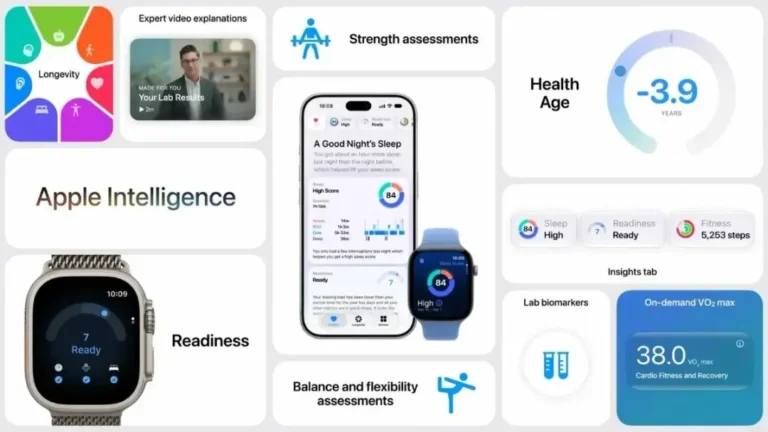
The timing coincides with Apple’s upcoming September product event, where the company is expected to unveil a foldable iPhone, marking its first new form factor in years, alongside the Series 12 and Ultra 4 Apple Watch models. However, industry observers note that both watch iterations are considered “minor upgrades,” with a major redesign not anticipated until 2026 or later.
Apple’s reliance on the iOS ecosystem remains its primary competitive moat, with analysts noting that millions of consumers continue to purchase Apple devices not because of cutting-edge features, but due to familiarity with the operating system and resistance to switching brands. That stickiness, however, has not shielded the company from rising production costs or the broader perception that it has ceded its design leadership under Cook.
Cook, who assumed the CEO role 15 years ago as an operations specialist, was credited with retaining Ive through 2019 in a reduced capacity to maintain investor confidence. Yet internal friction marked his tenure, including the brief six-month stint of retail chief John Browett in 2012, the departure of his replacement Angela Ahrendts in 2019, and the forced exit of iOS creator Scott Forstall in 2012.
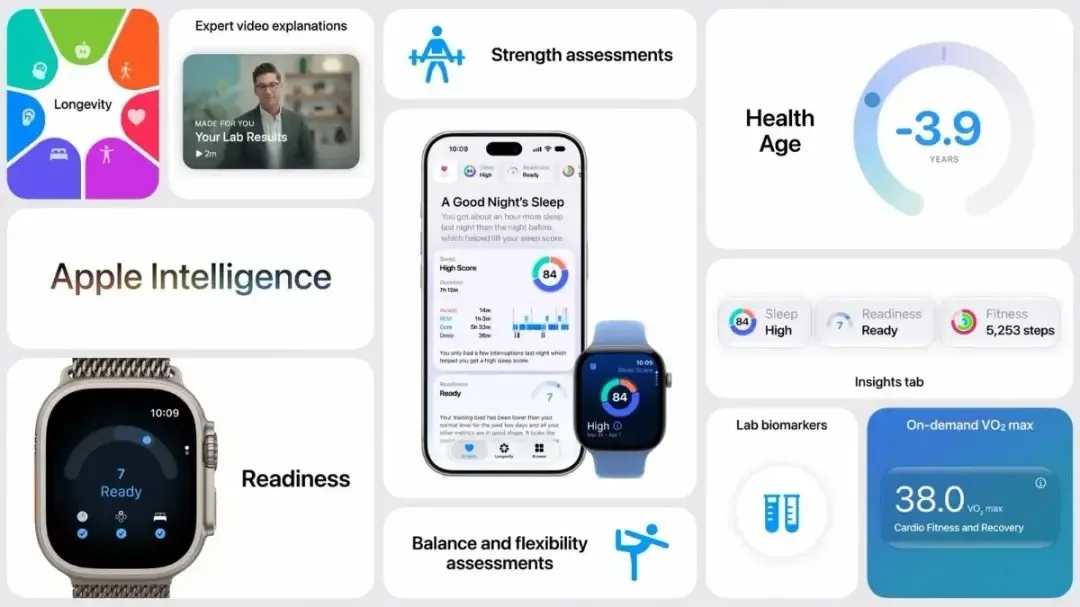
Apple has also faced quality and supply-chain headwinds, with rising component costs cutting into margins across multiple product lines. Meanwhile, the company continues to test new watch features, including continuous heart-rate monitoring, an always-on capability currently reserved for workout tracking, and is exploring a stylus accessory for the foldable iPhone, despite Jobs’ famous 2007 dismissal of the stylus as an input tool.
Eddy Cue, 61, who runs Apple’s services division, including TV, music, and sports, remains a stabilizing figure, though sources say his long-term plans are uncertain.
As Ternus prepares to step into the top job, Wall Street and Silicon Valley alike are watching closely to see whether a product-focused executive can reverse a years-long talent drain and restore the design-driven momentum that once defined the world’s most valuable technology company.