AI-Generated Shoppers Help Retailers Cut Costs And Predict Buying Behaviour
 Emma Wheaton
27 Oct 2026
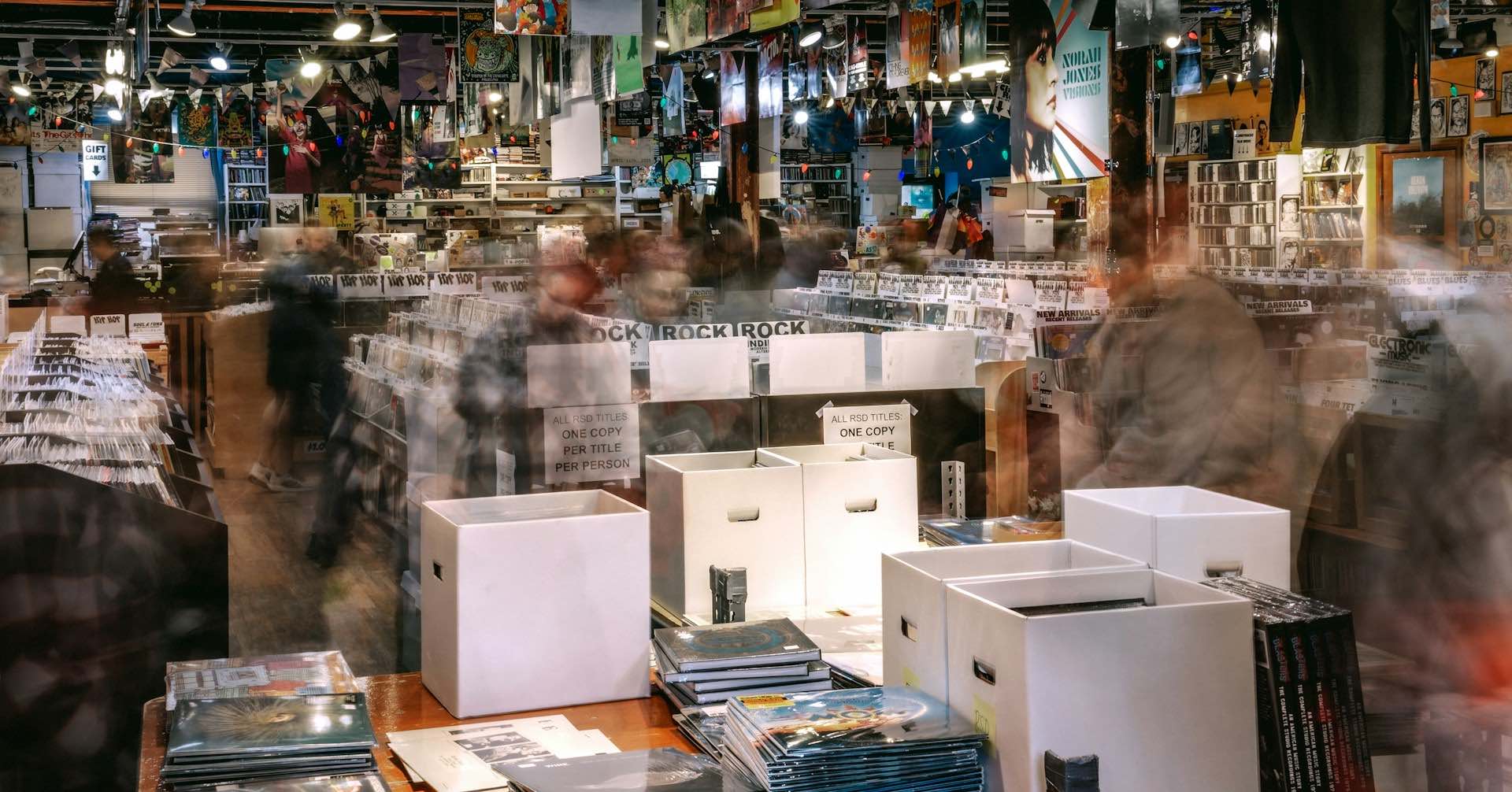
South Korea is emerging as a testing ground for AI-generated synthetic consumers. Using the new market research method, South Korean retailers are understanding what consumers want, before they spend money on new products, marketing campaigns and store changes
The AI-generated shoppers are being used to test products, pricing and store layouts before launch.
The technology uses artificial intelligence models and consumer data to simulate how shoppers might react to products, prices, advertising and shopping experiences.
Meanwhile in Australia, businesses are also exploring how AI can contribute to customer insights and experiences.
According to reports, South Korean retailers are experimenting with virtual consumers to not only predict purchasing behaviour, but also identify weaknesses in online shopping journeys and predict the success of store layout changes.
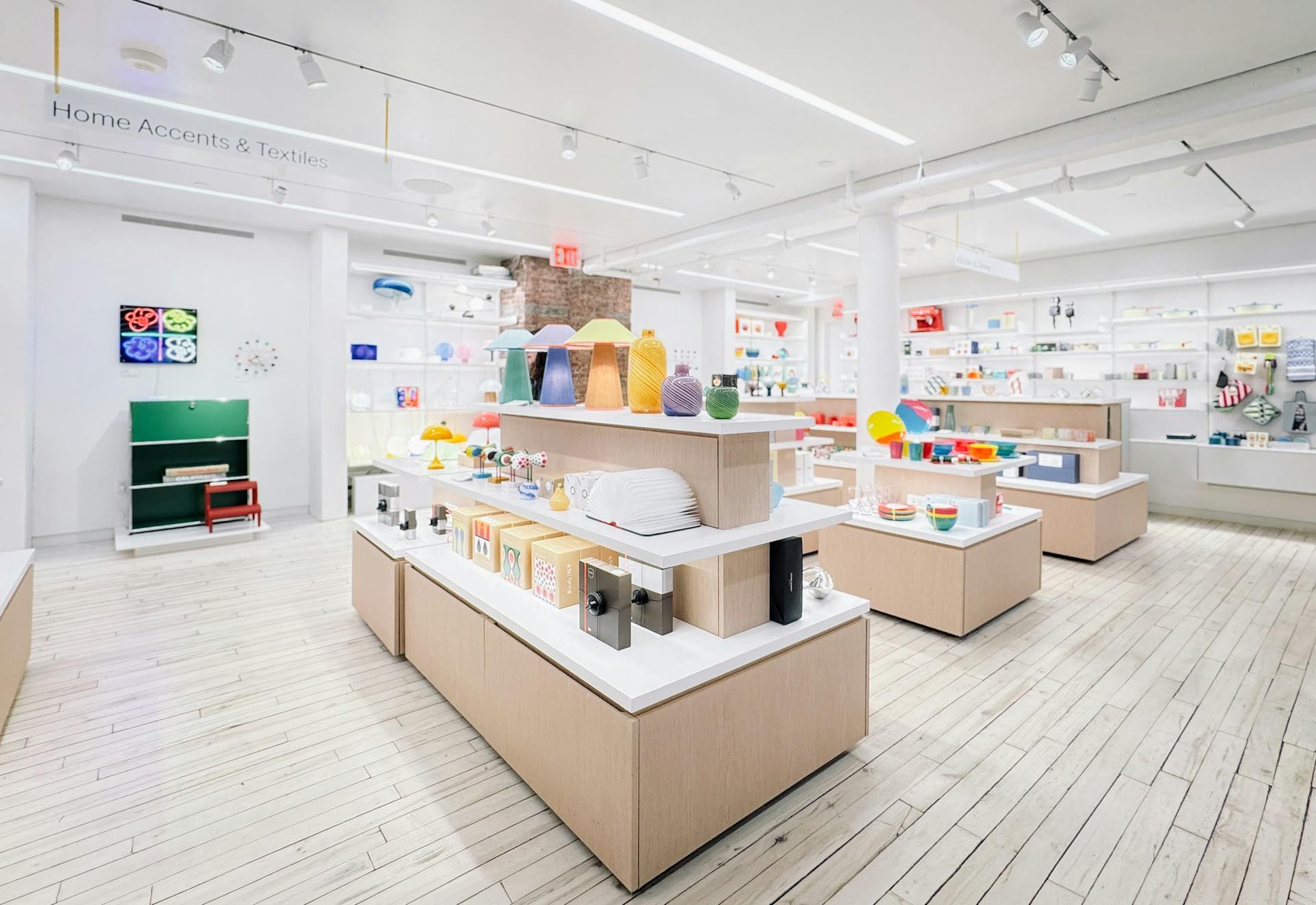
Lotte Members, a data and marketing company, is developing an AI Twin Consumer that uses purchasing data from approximately 45 million accumulated L.Point users along with social media information. The objective being to move beyond basic demographic profiles and build more detailed simulations of a consumer’s preferences, motivations and purchasing decisions.
Online platforms Coupang and Naver are also experimenting with synthetic consumers to assess user experiences. This includes determining where a shopper might hesitate, lose interest or abandon a transaction.
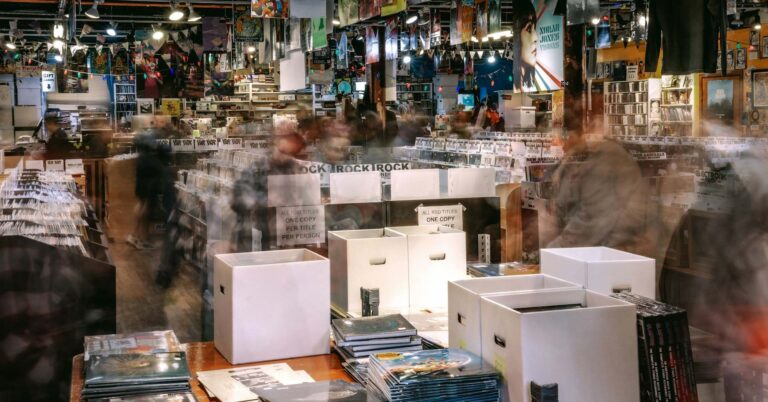
Meanwhile, BGF Retail, operator of South Korean convenience store chain CU, is exploring virtual store simulations to test everything from product displays to customer traffic and product ranges.
The technology is also attracting interest from consumer goods manufacturers. AI provider Intellicia says it has completed 120 proof-of-concept projects with 50 companies, including several major South Korean food producers.
Intellicia claims its synthetic consumers achieved a 91.2% correlation with a survey involving 500 real consumers during benchmark testing.
Closer to home, Australian organisations and retailers are also exploring the role of AI.
Commonwealth Bank disclosed a preliminary study in 2023 which examined how generative AI chatbots could emulate customer behaviour through synthetic agents.
The bank explored whether simulated customer personas could help researchers test new products, messaging and responses to difficult circumstances, including natural disasters and financial vulnerability. CBA did however stress that the approach was intended to complement, rather than replace, research involving real customers.
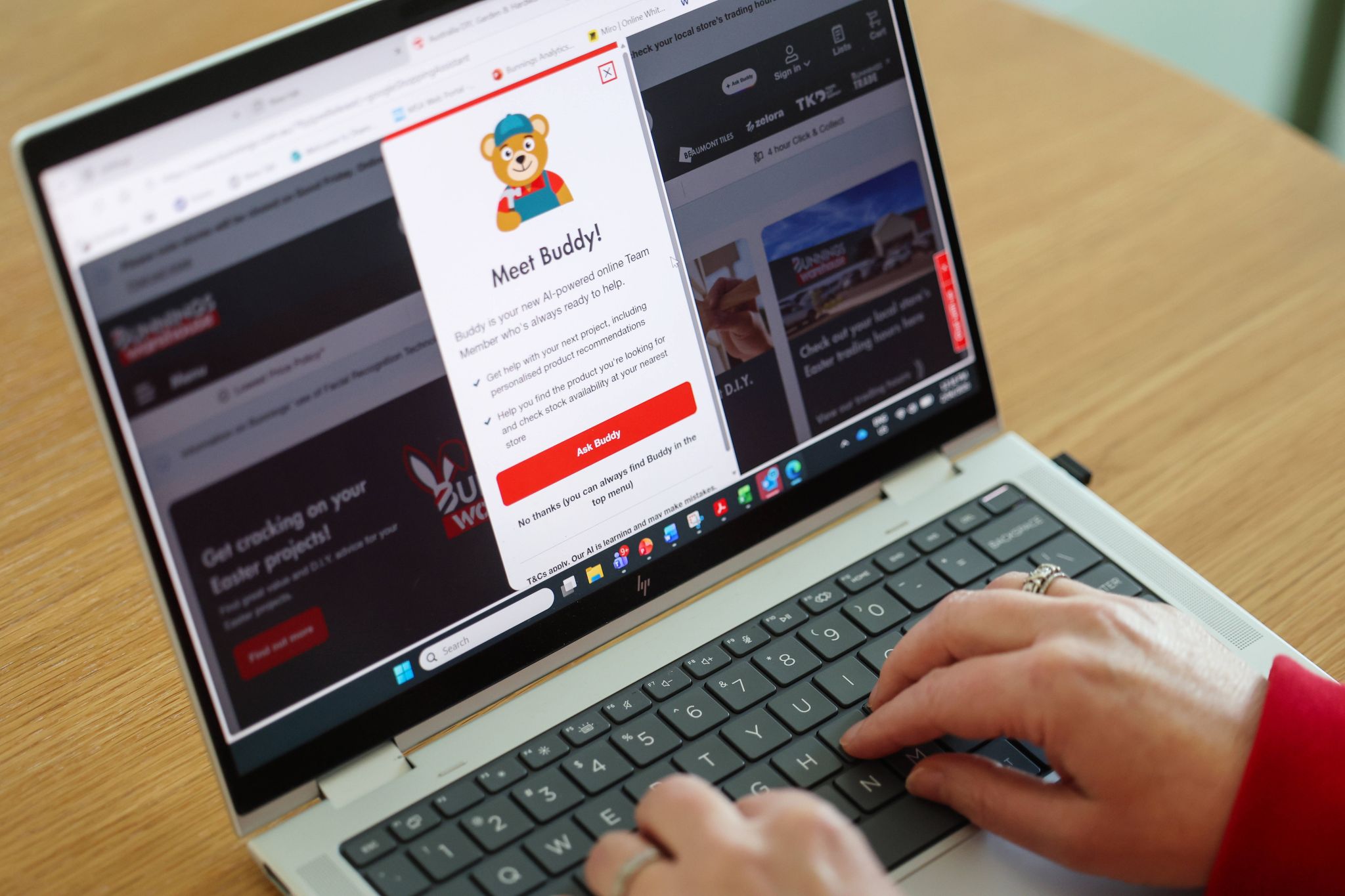
Bunnings’ AI DIY Assistant, Buddy.
Australian retailers are also expanding their use of customer-facing AI. Bunnings’ Buddy, Kmart’s Joy and Woolworths’ Olive are examples of AI assistants designed to help shoppers find products, explore their options and assist with purchasing decisions.
While these are not quite the same as the synthetic consumer panels in South Korea, they demonstrate how AI is becoming embedded in the retail customer journey. According to PwC Australia, retailers are also preparing for a future in which AI agents increasingly help consumers discover, compare and potentially purchase products.
The use of AI-generated shoppers as a form of market research is in its infancy and there are questions around its accuracy.
For retailers, while synthetic consumers could offer a faster way to screen product concepts, refine pricing strategies and test customer experiences before committing investment, simulated behaviour is not real behaviour.
The quality of the results depends on a number of factors like the underlying data, the models and whether predictions hold up against actual purchasing decisions.
So, while there is a cost benefit it they are successful and accurate, the next question is whether synthetic consumers can deliver enough of a reliable insight to justify their use when there are already traditional, established customer research methods available.