Gerry Harvey Calls For Public Service Cuts As Government Spending Hits 40-year High
 David Richards
27 Oct 2026

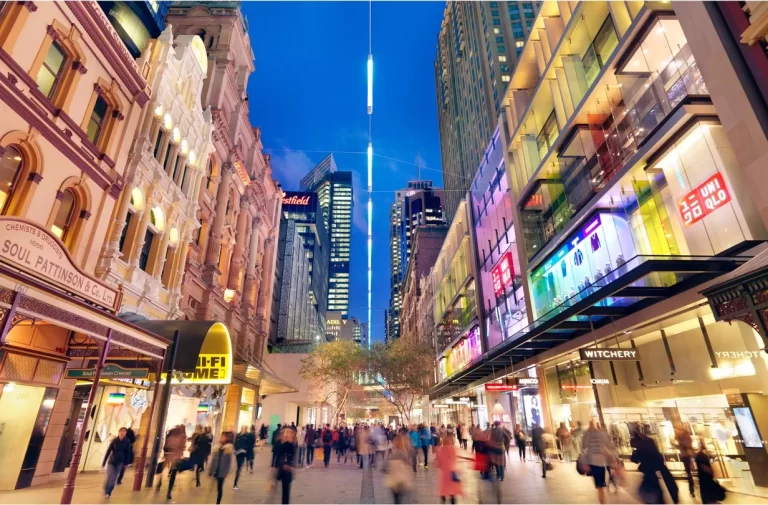
Harvey Norman executive chairman Gerry Harvey has called on the Albanese Government to slash the federal public service, blaming its size and the regulatory burden it enforces for driving up the cost of doing business.
Mr Harvey’s attack on Treasurer Jim Chalmers’ policies comes as government spending as a share of GDP reached 26.9% this month, the highest level in 40 years outside the COVID-19 pandemic.
“The biggest problem is the size of the public service and the costs to taxpayers for employing so many people,” Mr Harvey said.
“The cost of doing business is so high now with compliance and regulation and that’s why you need so many in the public service.”
Retailers are calling for the public service, overregulation and billions of dollars in renewable energy subsidies to be the first targets for spending cuts.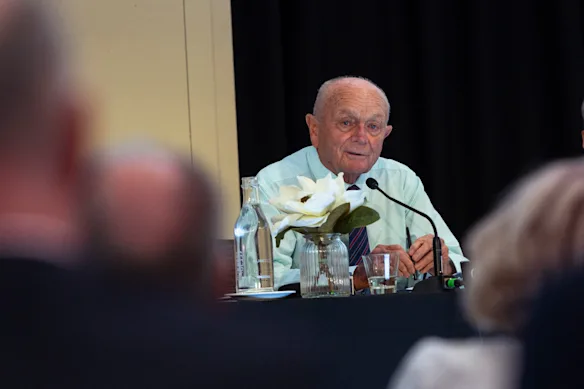
Low-income households hit hardest
Former Reject Shop chief executive Andre Reich told The Australian that government overspending hurt lower-income households the most, the core customers of the discount chain he once ran.
“The people with the lowest income are the ones who are hit hardest by overspending,” Mr Reich said.
“Overcompliance stifles business growth and you now have five or six departments that are all stifling growth. Removing bureaucracy is the first thing to do.”
Mr Reich pointed to Greece as a model.
“Look what has happened with the Greek economy. They had to make tough spending cuts and were forced to deliver surpluses and now their economy is flying.”
Public sector wage bill tops $40bn
The latest Australian Bureau of Statistics figures show there are 2.6 million public sector employees. The federal public sector’s wage and salary bill jumped 9.5%, passing $40bn for the first time.
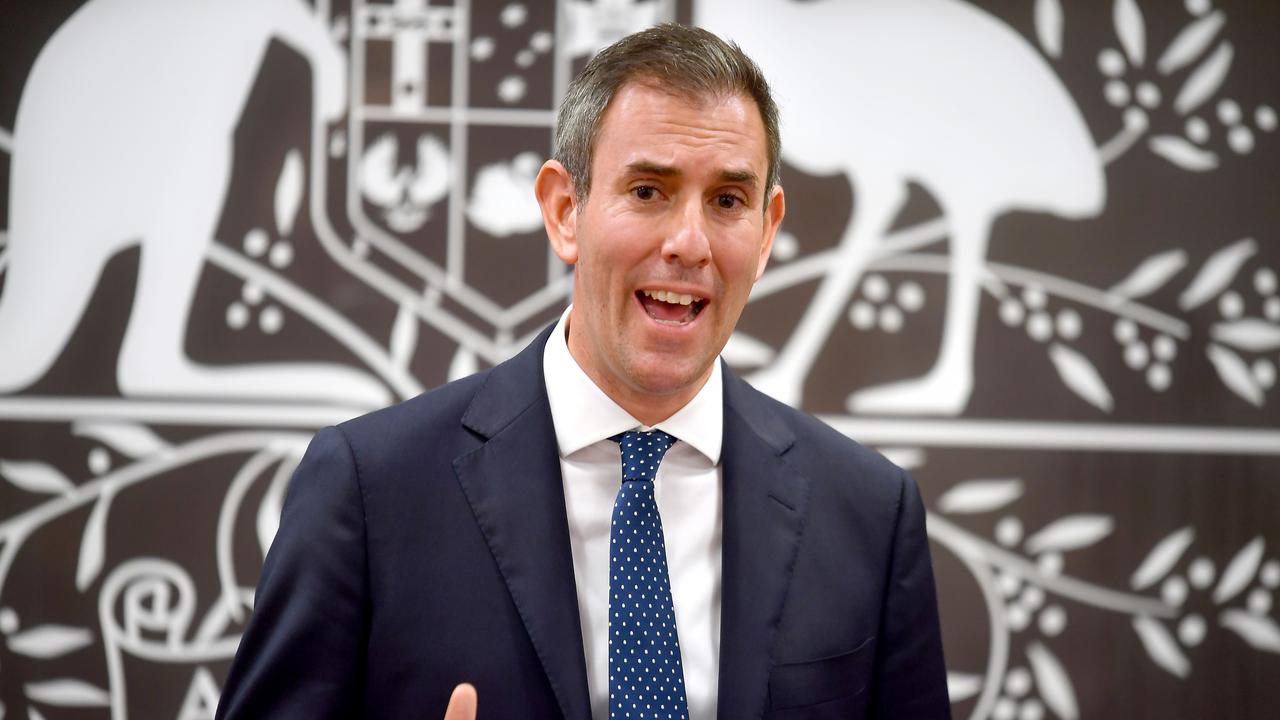
Treasurer Jim Chalmers
Total public sector cash wages and salaries rose 7.6% to $249.5bn.
The Reserve Bank has said government spending affects inflation. The RBA meets next week and is a strong chance to lift rates for the fifth time this year.
Retail under pressure
Furniture retailer Nick Scali reported a slump in profit last week, sending its shares lower.
Macquarie recently named Harvey Norman its least preferred listed retailer, expecting furniture and homewares demand to remain weak through the housing downturn.
Reuters has linked the slowdown to the RBA’s rate rises since February and to the Government trimming capital gains tax concessions and tightening negative gearing.
Harvey Norman shares have fallen more than 42% in a year, from about $7.23 to $4.15.
Mr Harvey bought 463,000 Harvey Norman shares for about $1.9m on 18 September, while warning of falling store traffic ahead of Black Friday and Christmas.
JB Hi-Fi not immune
JB Hi-Fi posted a record FY26 result, but its shares fell 12.3% to $71.65 on results day. It was the worst single-day fall in the company’s history, exceeding the 10.8% drop recorded during the COVID-19 sell-off.
The trigger was July trading. JB Hi-Fi Australia sales fell 0.5%, The Good Guys fell 1.7% and e&s fell 2.7%, while JB Hi-Fi New Zealand rose 20.9%.
Group chief executive Nick Wells attributed the slowdown to customers chasing value and shifting spending to key promotional events, along with supplier price rises and stock shortages in technology categories. He did not blame federal government policy.
The Good Guys is the group’s business most exposed to the housing market.
JB Hi-Fi holds its AGM this Thursday, 29 October, the same day the September quarter CPI is released. It will be the first opportunity for investors to question Mr Wells on the group’s exit from buying group NARTA on 31 December after 25 years.