AI Server Boom Drives Up LCD TV Manufacturing Costs
 April Ossington
25 Nov 2026
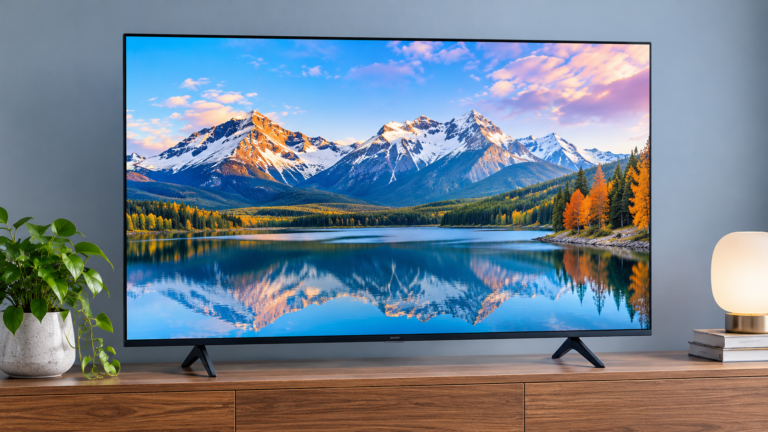
Television manufacturers are facing mounting production costs as surging investment in artificial intelligence infrastructure puts pressure on the supply of components used in LCD panels.
New research from Omdia forecasts that the cost of manufacturing a 65-inch 4K TFT LCD television panel will increase by 6.5 per cent year-on-year in the fourth quarter of 2026.
The expansion of AI server infrastructure is driving demand for printed circuit boards (PCBs), intensifying competition for components and raw materials traditionally used across the consumer electronics industry.
Shortages of glass cloth, a key material used in PCB manufacturing, are exacerbating supply constraints, with limited alternative sources available to manufacturers.
The display sector is also grappling with broader inflationary pressures, including rising semiconductor prices and higher refined oil product costs linked to ongoing tensions in the Middle East.
Display glass, the most expensive material used in the array and colour filter manufacturing processes, has recorded a price increase of approximately 45 per cent in Japanese yen between 2023 and 2026.
However, a depreciation of around 20 per cent in the yen against the US dollar over the same period has helped cushion the impact on panel manufacturers.
Competition among Chinese component suppliers has also provided some relief, particularly in the polariser and driver integrated circuit (IC) segments.
Japanese manufacturers of polariser sub-films increased their prices by between 10 and 20 per cent in 2026. Despite this, polariser prices have remained relatively stable due to currency movements and growing competition among Chinese suppliers seeking to expand their market share.
Driver IC prices have followed a similar trend, helping to contain overall panel manufacturing expenses.
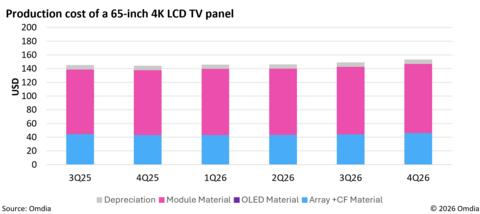
However, Omdia warns that annual production cost increases could exceed 10 per cent if polariser and driver IC prices begin to climb.
The situation is creating challenges for television brands and original equipment manufacturers as they negotiate future panel supply agreements while absorbing higher semiconductor costs elsewhere in their products.
“Chinese panel makers are seeking higher prices, while TV brands and original equipment manufacturers (OEMs) are already paying more for the semiconductors used in TV boards,” said Tadashi Uno, Research Manager at Omdia.
“This has made negotiations over future panel prices difficult.”
The findings highlight how the rapid expansion of AI infrastructure is having consequences beyond the computing sector, with television manufacturers increasingly exposed to competition for critical electronic components.
While Omdia has not forecast corresponding increases in retail television prices, mounting production costs could place additional pressure on manufacturers’ margins and pricing strategies heading into 2027.