AI PC’s Driving Increase In HP Revenues
 David Richards
27 Aug 2026
David Richards
27 Aug 2026
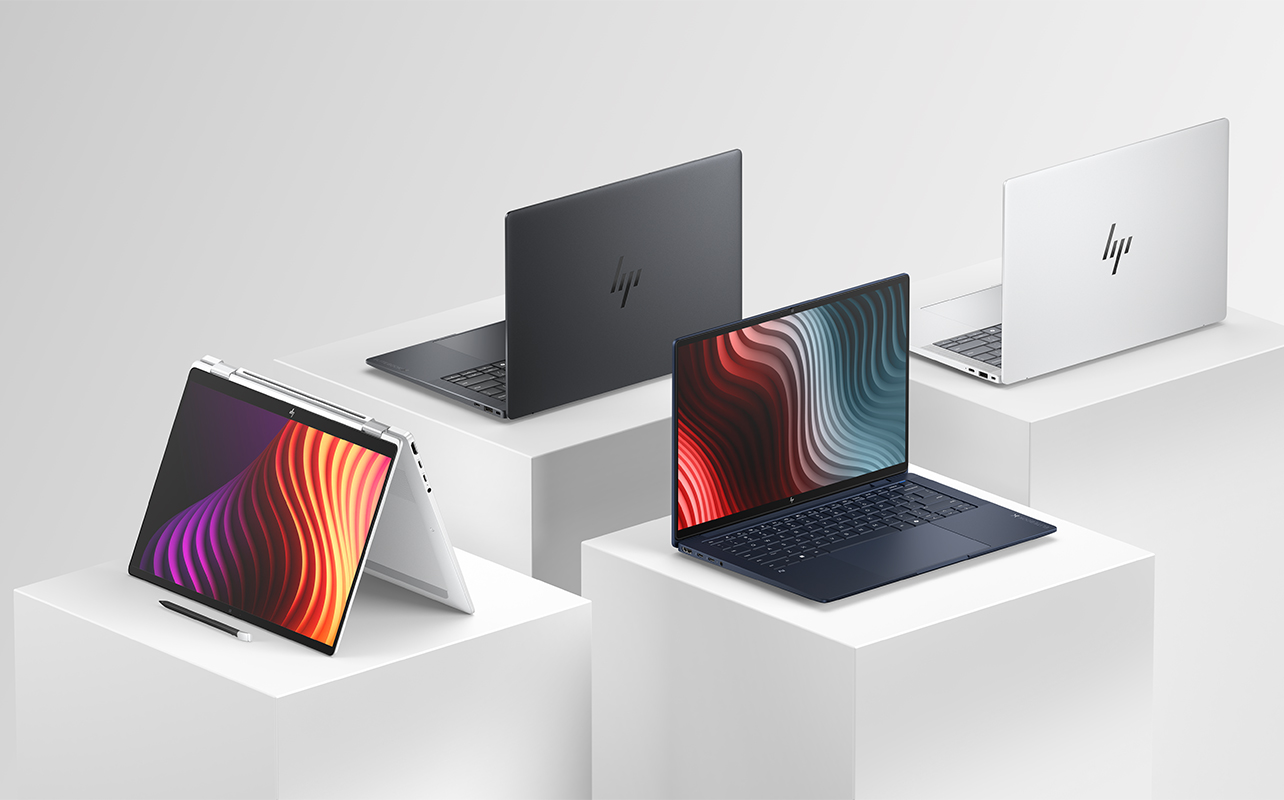
HP, a key PC partner of JB Hi-Fi, has delivered an 18% surge in revenue, with demand for AI-capable notebooks helping the US technology giant overcome fears that soaring memory costs would trigger a major downturn in the PC market.
The sting in the result was profitability, with HP’s quarterly net profit falling to US$661 million from US$763 million, despite higher PC revenue and price increases designed to offset rising component costs.
HP’s Personal Systems division, which includes notebooks, desktops and workstations, saw revenue jump 18% to US$11.77 billion, despite lower unit shipments.
The result suggests HP is extracting significantly more revenue from each PC sold as consumers and businesses migrate towards more expensive AI-capable machines.
HP’s Print division continued to struggle, with revenue falling 2% to US$3.91 billion.
HP shares fell after investors looked past the boost in the company’s profit forecast due to concerns about future demand for computers and printers.
The numbers are significant for Australian retailers including JB Hi-Fi, where HP is a major PC brand, because the industry has spent much of 2026 wrestling with higher memory and component costs and warnings that rising notebook prices could suppress demand.
HP has been increasing PC prices to offset the sharp rise in memory costs, while at the same time shifting its product mix towards higher-value AI PCs.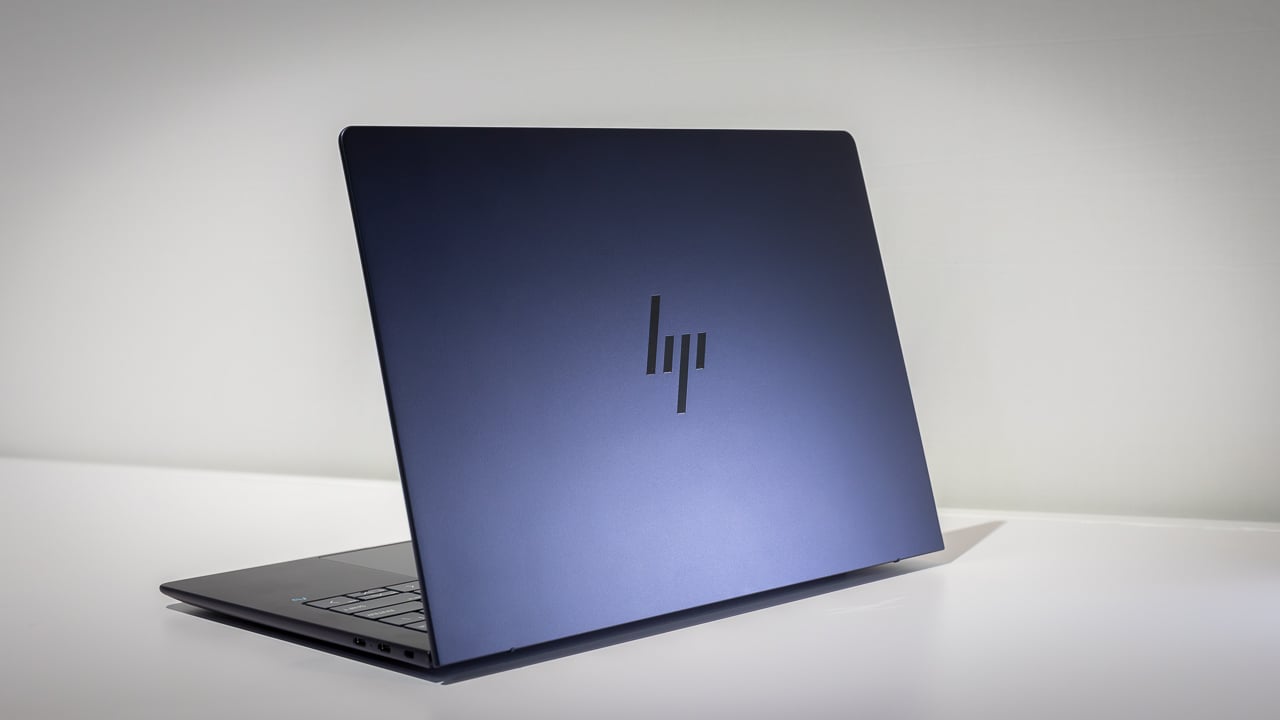
The strategy is increasingly visible in Australia.
HP is now pushing its OmniBook family as its primary consumer notebook platform, effectively bringing its former Pavilion, Envy and Spectre ranges under the OmniBook umbrella.
The strategy stretches from entry and mainstream machines through to premium AI notebooks.
Among the newer products appearing in the Australian market are OmniBook 3 AI PCs, available in 14-inch and 15.6-inch configurations with up to AMD Ryzen AI 7 processors and 32GB of memory. HP is positioning these machines as more accessible AI PCs rather than limiting AI processing to expensive premium notebooks.
Further up the range, the OmniBook 5 family includes 16-inch models with up to 2K OLED displays, 32GB of LPDDR5x memory and up to 2TB of SSD storage, while HP is also pushing its OmniBook X and Ultra products into the premium AI PC market.
The company’s Australian commercial portfolio is also being refreshed around AI. HP is promoting the EliteBook X G2i Copilot+ PC with Intel Core Ultra processors delivering an NPU rated at up to 50 TOPS, up to 64GB of memory and a 14-inch 3K OLED display, while the EliteBook Ultra G1i offers up to 48 TOPS of dedicated AI processing.
This increasingly broad portfolio is important because HP is effectively betting that AI will give consumers and businesses a reason to pay more for their next PC at precisely the time when component costs are also forcing manufacturers to lift prices.
So far, the strategy appears to be working on the revenue line.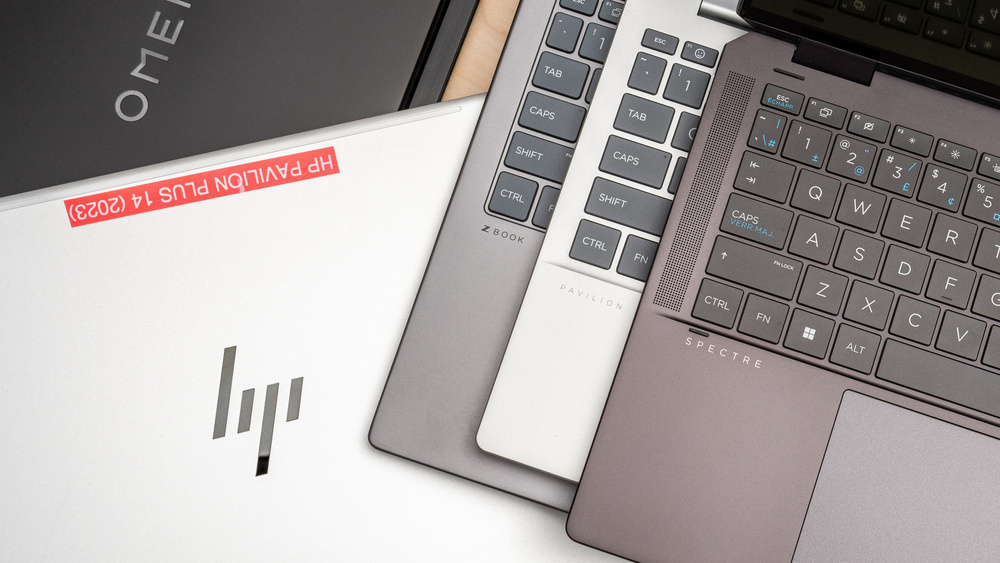
HP management said its efforts to manage the memory crunch had resulted in improvements in both supply and fulfilment rates, while demand for its AI PC portfolio remained strong.
“With three solid quarters behind us, we’ve demonstrated our ability to navigate through a challenging cost environment and are building on that momentum to further mitigate near-term cost pressures while continuing to invest for long-term profitable growth,” Chief Financial Officer Karen Parkhill said.
The big question is whether HP can convert that revenue growth into higher profits.
An 18% increase in Personal Systems revenue alongside falling unit volumes is evidence that HP is successfully moving buyers towards higher-priced PCs. But the fall in company profit also demonstrates just how heavily rising memory and other component costs are eating into the benefits.
HP nevertheless upgraded its full-year outlook, forecasting adjusted earnings of US$3.19 to US$3.29 a share, including a US19¢ favourable impact from expected tariff refunds.
Its previous guidance was US$2.90 to US$3.10 a share.
HP also lifted its full-year free cash flow forecast by US$200 million to between US$3 billion and US$3.2 billion.
For Australian retailers, the HP result is an early indication that the PC market may not suffer the dramatic collapse some had feared from the memory shortage.
Instead, 2026 could increasingly become a battle over whether vendors such as HP can convince consumers to absorb higher prices by giving them a sufficiently compelling reason to upgrade.
Right now, that reason is AI.