TCL Takes Aim At Samsung And LG As OLED Monitor Prices Continue To Fall
 Dominic Bayley
09 Oct 2026
Dominic Bayley
09 Oct 2026
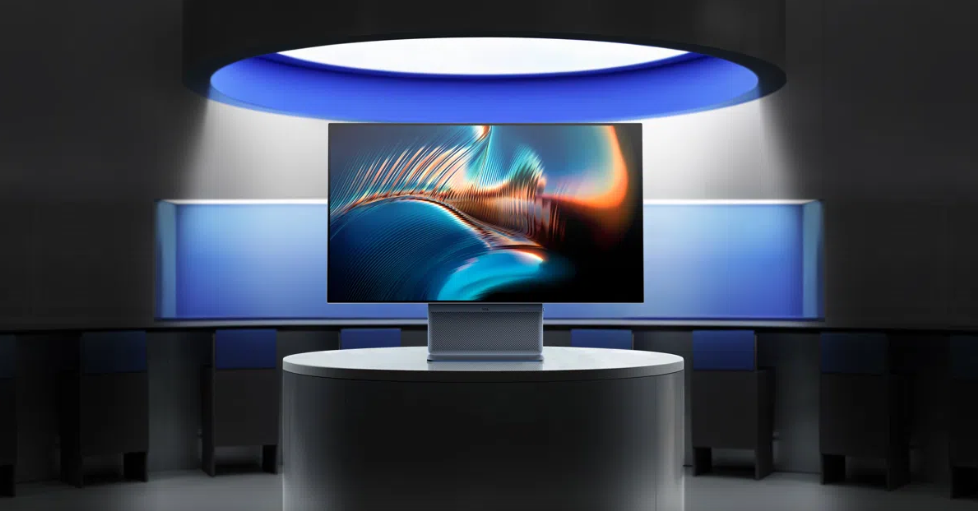
Samsung Display and LG Display could face growing competition in the OLED monitor market as China’s TCL China Star ramps up production of its next-generation inkjet-printed OLED panels.
The Chinese display manufacturer is preparing to challenge the two dominant suppliers with its inkjet-printed OLED (IJP OLED) technology, which could help reduce manufacturing costs and accelerate the adoption of OLED monitors.
According to Omdia research, TCL China Star was scheduled to begin shipping its first 27-inch UHD OLED monitor panels from its Generation 5.5 manufacturing facility during the third quarter of 2026.
The panels feature a 120Hz refresh rate and are intended for a commercial-grade creator monitor from MSI, marking an important step in TCL’s push into the professional display market.
However, the company’s more ambitious plans centre on its upcoming Generation 8.6 OLED manufacturing facility, which is scheduled to begin production in 2028.
The new factory will focus on larger inkjet-printed OLED panels, including 32-inch and 34-inch models, with refresh rates reaching as high as 700Hz.
If production proceeds as planned, TCL China Star could become the first manufacturer to mass-produce inkjet-printed OLED monitor panels using a Gen 8.6 fabrication facility.
The expansion could significantly change the competitive landscape, potentially putting pressure on Samsung Display and LG Display, which currently dominate OLED monitor panel production.
TCL’s entry comes as OLED monitor prices continue to fall, making the technology increasingly accessible to mainstream consumers.
According to Omdia, prices for popular 27-inch OLED gaming monitors featuring 240Hz refresh rates have dropped by more than 40 per cent during 2026.
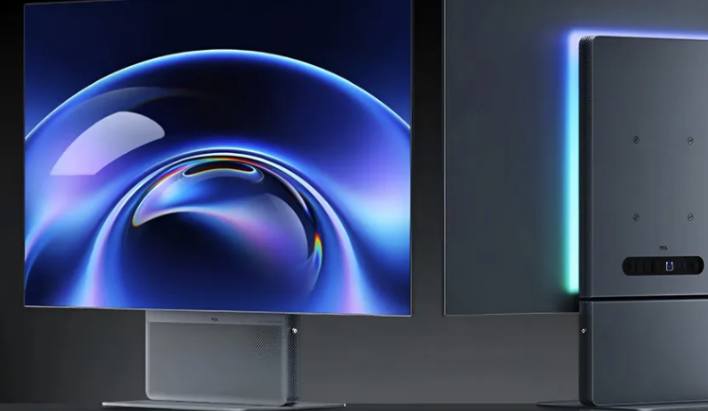
Premium OLED monitors have also become considerably more affordable, with some models reaching the US$350 price range during the first half of the year.
Prices are expected to fall further, potentially approaching US$300 by 2027 as production capacity expands and competition intensifies.
The falling prices could encourage more consumers to move away from traditional LCD monitors, particularly gamers seeking faster response times, deeper blacks and improved contrast.
While gaming remains the biggest driver of OLED monitor sales, analysts also see significant growth opportunities in professional content creation and commercial applications.
The technology’s colour accuracy, contrast performance and image quality make it attractive for video editors, photographers, graphic designers and other creative professionals.
Nick Jiang, Principal Analyst for Display and OEM Research at Omdia, said increasing production capacity, lower prices and broader support from monitor manufacturers were helping OLED technology reach a larger audience.
He also suggested that TCL China Star’s planned Gen 8.6 manufacturing capacity could reshape the OLED monitor supply chain and alter competition between major panel suppliers.
For consumers, the arrival of another major OLED panel manufacturer could translate into greater choice, more advanced displays and further price reductions over the coming years.
With TCL targeting larger screens and refresh rates of up to 700Hz, competition in the premium gaming monitor market could become particularly intense as the technology moves towards mass production in 2028.
The global OLED monitor market as it stands
Omdia’s latest research shows a big global demand for OLED monitor panels.
Global OLED monitor panel shipments are forecast to reach 6.1 million units for full-year 2026, up 79% from 2025 the research shows.
Asus is the largest purchaser in 2026, accounting for 23% of global shipments for the year. That’s closely followed by MSI, Samsung and TVP.
LG Electronics, Dell, Acer and Lenovo complete the top eight.
The huge up-shift in demand is being driven by intensifying competition among monitor brands and an expanding OLED production capacity as securing competitive OLED panel supply is becoming increasingly important for monitor brands and original equipment manufacturers (OEMs).
Asus, Samsung, LG Electronics and Dell were early adopters of OLED monitors and major panel purchases during 2023-25.
But as more brands and OEMs, including HKC, KTC and Gigabyte expand their OLED monitor portfolios, these early adopters are expected to account for a smaller share of panel purchases in 2026.