Western Digital Focuses On Bigger Hard Drives As AI Fuels Global Storage Boom
 Joe Gallop
05 Mar 2026
Joe Gallop
05 Mar 2026

Western Digital’s hard-drive business is shifting strategy as demand for data storage surges worldwide, with CEO Irving Tan saying the company is prioritising larger-capacity drives rather than increasing production volumes.
Speaking to Bloomberg Tech, Tan said the company, now operating as WD, is focusing on using new technologies to pack more data into each hard disk drive (HDD).
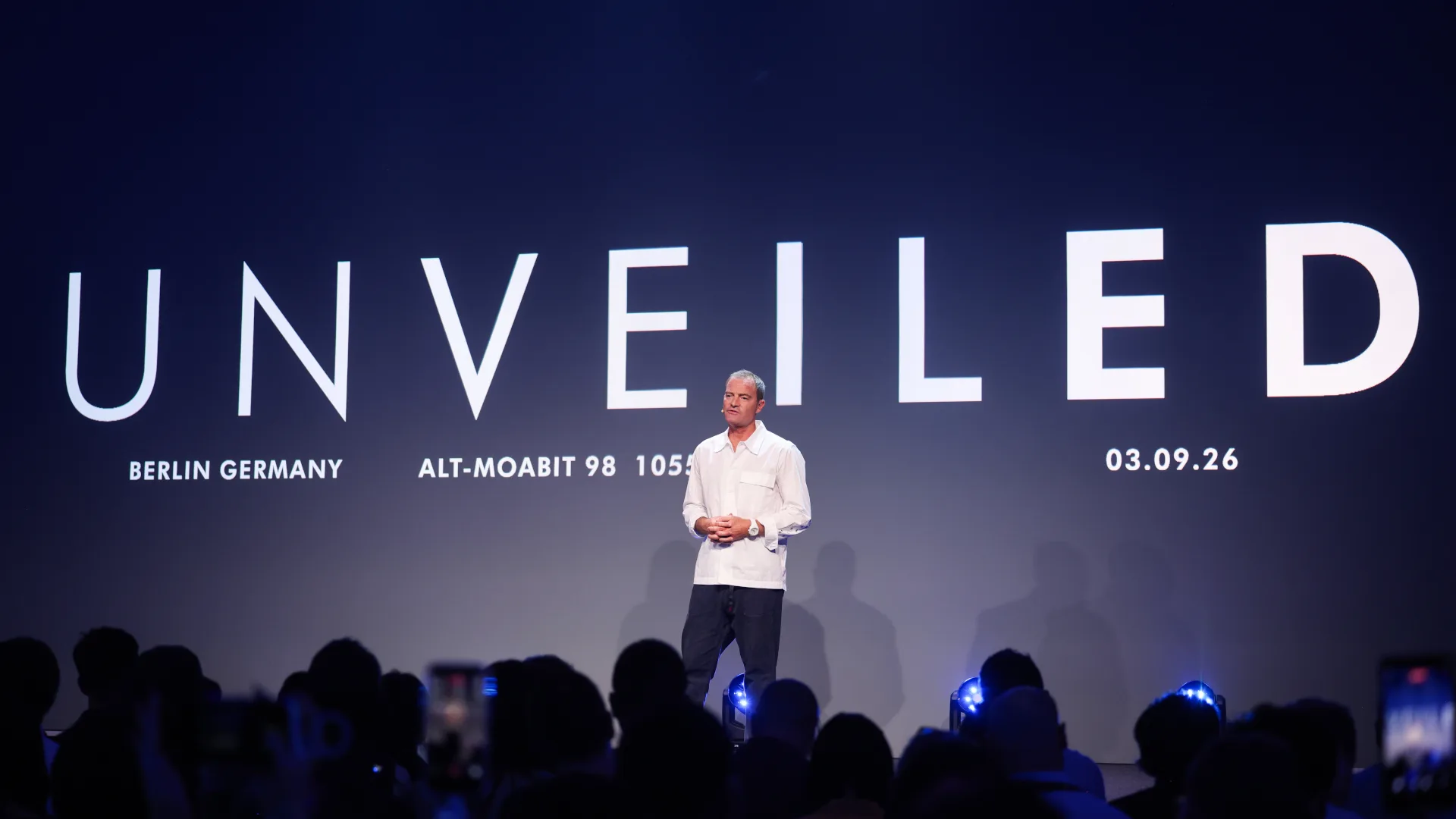
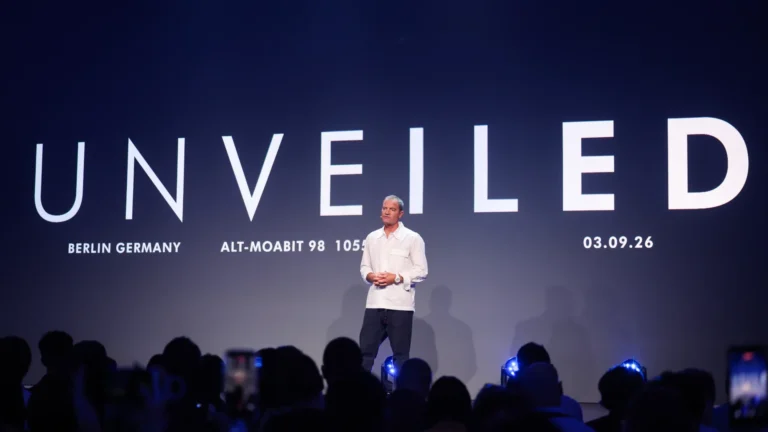
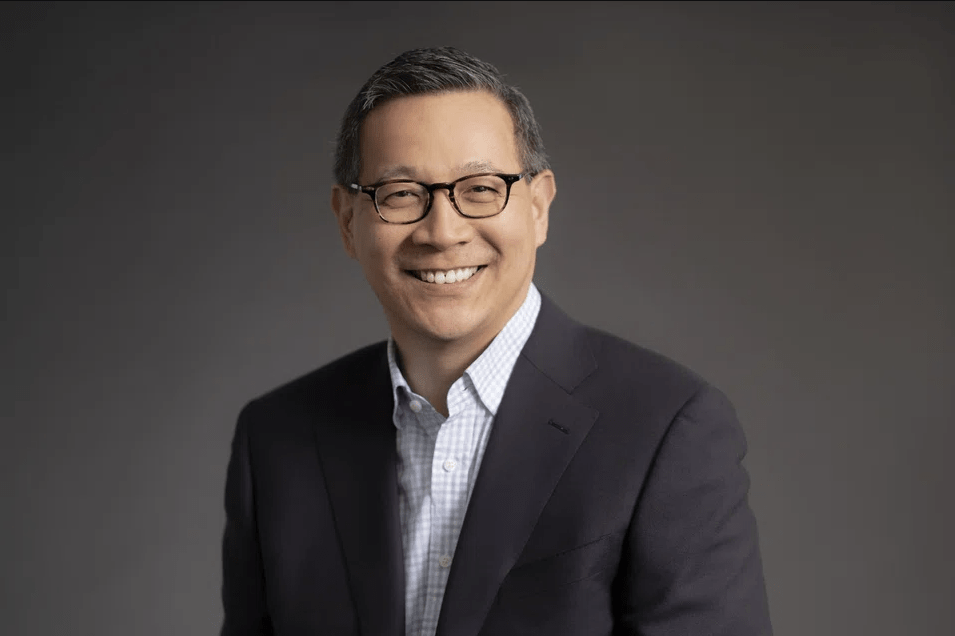
“We don’t need to increase unit capacity — what we’re doing is to use technology to increase the capacity for drives,” Tan (pictured) said.
The strategy comes as the global storage industry faces tight supply driven by the rapid expansion of AI infrastructure.
Hyperscale data centres used to train and run AI models require enormous amounts of long-term storage, a segment where traditional hard drives remain significantly cheaper than solid-state alternatives.
WD has already effectively sold out its hard-drive production for 2026 as customers race to secure capacity.
The company, along with rival Seagate Technology, dominates the HDD market supplying storage for enterprise servers, cloud platforms and personal computing systems.
Investor enthusiasm around AI infrastructure has pushed WD’s share price sharply higher.
The stock has climbed 57% this year following a dramatic 282% surge in 2025 as markets increasingly view storage providers as critical to the AI ecosystem.

Tan said video data is also emerging as a major driver of long-term storage demand.
“Video’s going to be a big driver of storage,” he said, noting the trend is boosting confidence in long-term demand for the company’s products.
Recent financial results reflect the momentum. WD reported quarterly revenue of US$3.02 billion, up 25% year-on-year, with earnings per share of US$2.13 beating analyst expectations.
AustralianSuper has also taken a stake in the company, purchasing about 285,000 shares worth roughly US$34 million.
Despite geopolitical tensions in the Middle East, Tan said the company currently sees minimal supply-chain disruption and no material impact to its operations.