User-Replaceable Batteries Are Set For A Comeback
 Joe Gallop
02 Jun 2026
Joe Gallop
02 Jun 2026
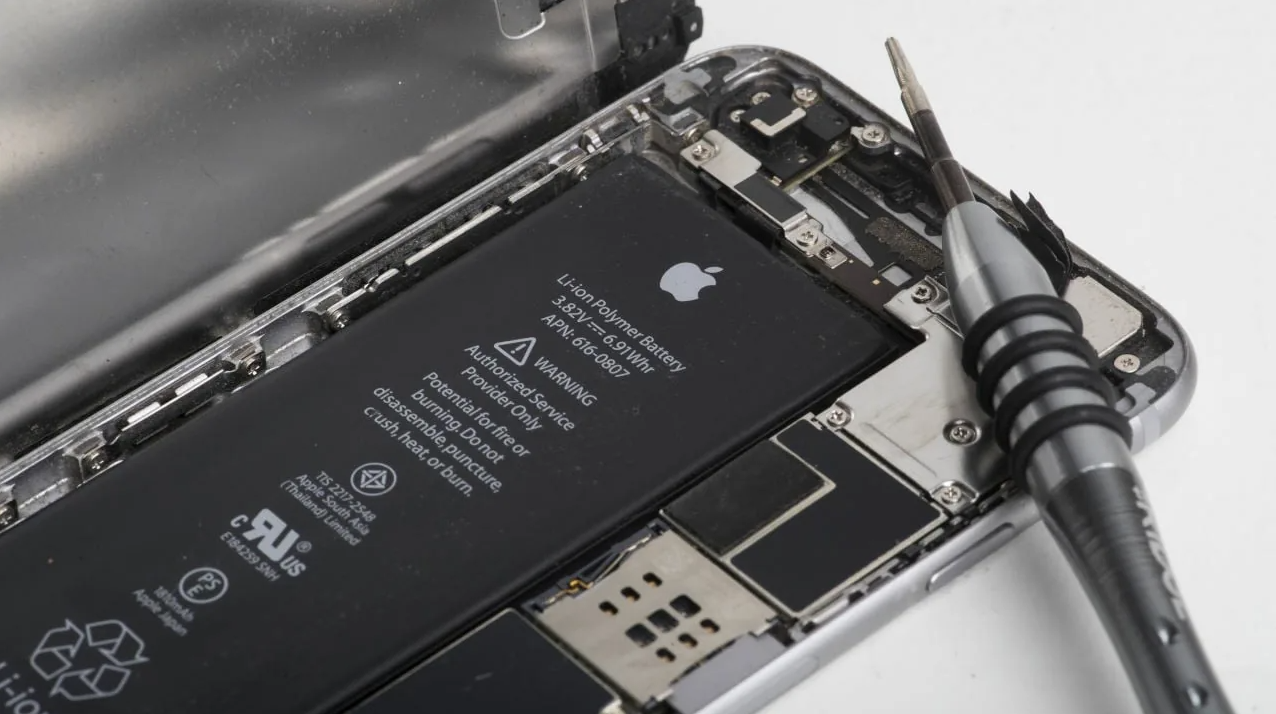
User-replaceable batteries are making a comeback, with global electronics brands preparing for tough new European Union rules that could influence product design well beyond Europe.
From February next year, many portable electronic devices sold in the EU will need to let consumers remove and replace batteries using basic, commercially available tools or specialised tools supplied free with the product. Manufacturers will also be required to sell compatible spare batteries for at least five years.
The rules cover a wide range of products including headphones, e-readers, portable gaming devices, laptops and other battery-powered gadgets.
Smartphones and tablets are largely covered by separate EU regulations, meaning the return of old-style pop-off phone battery covers is unlikely.

If a handset battery retains 83% capacity after 500 charge cycles and 80% after 1,000 cycles, and the device has strong water and dust resistance, battery replacement can be restricted to professional repairers.
That means iPhones, Samsung Galaxy devices and many flagship Android phones are unlikely to change dramatically.
The impact is already being seen elsewhere. Sennheiser’s new Momentum 5 Wireless headphones (pictured above) feature a battery that can be replaced in minutes using a Phillips-head screwdriver, while Fender has introduced similar repair-friendly design in its Mix headphones. Fairphone has long pushed user-replaceable batteries across its smartphones, headphones and earbuds.
Reports also suggest Amazon is preparing Kindle e-readers with user-replaceable batteries, while future gaming accessories and handheld devices could follow.

The biggest challenge may be wireless earbuds and wearables, where space is limited and repairable designs could increase size and manufacturing costs. Some exemptions for smartwatches, fitness trackers and smart glasses are still being considered.
For Australian consumers, the key question is whether brands build one global product design or reserve repairable versions for Europe.
It’s suggested that many companies prefer global designs, which could see the EU rules quietly lift repairability standards in markets such as Australia.
The shift comes as regulators and right-to-repair campaigners push manufacturers to make devices last longer, reduce e-waste and give consumers cheaper repair options once batteries begin to degrade.