UBTech’s $20,000 Humanoid Companion Robot Showcases Push Into Emotional Support Market
 Emma Wheaton
19 Oct 2026
Chinese robotics manufacturer UBTech is selling lifelike humanoid companions for up to $20,000, with a flagship model costing $130,000 as the company targets consumers seeking emotional support from robots.
China’s rapidly expanding robotics industry is moving beyond industrial automation and household appliances, with UBTech showcasing a lifelike humanoid companion.
The product attracted attention at an electronics show organised by the Hong Kong Trade Development Council, where robots from mainland Chinese manufacturers were once again a major attraction.
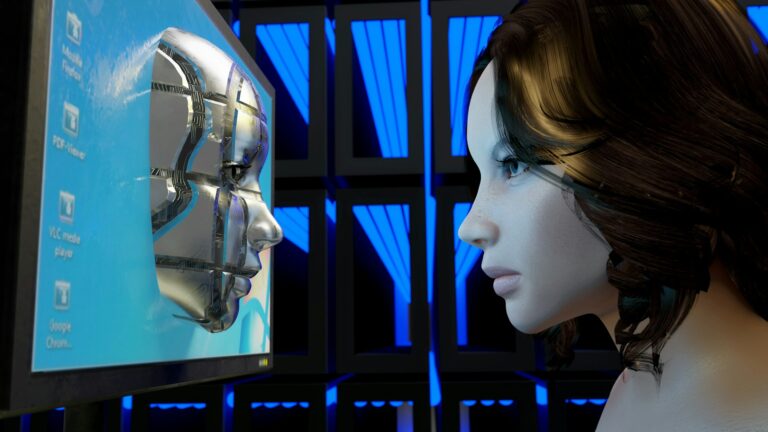
UBTech’s companion robot features a life-size female figure, long curly hair, carefully applied makeup, a tailored skirt suit and glittering high heels. Seated on a sofa, the figure could initially be mistaken for a person posing for selfies.
Up close, however, silicone skin on the arms and legs revealed the artificial construction.
Unlike more mobile humanoid robots designed to walk, dance or perform physical tasks, the companion model focuses on appearance and interaction, effectively combining a lifelike doll with conversational artificial intelligence.
The product has reportedly already begun shipping in China, with customers paying around US$20,000 for the companion robot.
The company says the devices are being purchased for emotional support, positioning them in a market that extends beyond traditional consumer electronics and into personal companionship.
The male version is reportedly outselling the female model, while the customer base is heavily weighted towards young women, according to UBTech.

At the upper end of the range, UBTech offers a flagship model priced at approximately US$130,000. The more expensive version features autonomous navigation and greater computing power, moving beyond a largely stationary companion into a more capable robotic platform.
UBTech believes Japan could become its biggest market for companion robots, citing the country’s potential demand for products designed to provide interaction and emotional support.
However, the company is still working to obtain the necessary certifications before it can sell the robots in Japan.
The opportunity reflects a broader shift in robotics, with Chinese manufacturers increasingly exploring consumer applications alongside their established industrial businesses.
While much of the global humanoid robotics race focuses on factory work, logistics and domestic assistance, UBTech is pursuing a different proposition: selling the experience of interacting with a human-like machine.
Whether consumers will embrace robots costing tens of thousands of dollars remains an open question. But UBTech’s reported sales suggest that at least some buyers are prepared to pay for artificial companionship.