Qualcomm Denies Snapdragon 8 Elite Extreme Gen 6 Overheating Claims Amid Galaxy S27 Ultra Rumours
 Dominic Bayley
19 Oct 2026

Qualcomm has dismissed reports suggesting its latest flagship Snapdragon processor is experiencing overheating problems, following claims that Samsung could abandon the chipset in favour of its own Exynos silicon for the Galaxy S27 Ultra.
The controversy began after a Korean news outlet reported that Samsung was considering switching entirely to Exynos processors for its next-generation flagship smartphones.
According to the report, internal testing of Qualcomm’s Snapdragon 8 Elite Extreme Gen 6 processor had revealed excessive heat generation, resulting in thermal throttling and reduced performance under sustained workloads.
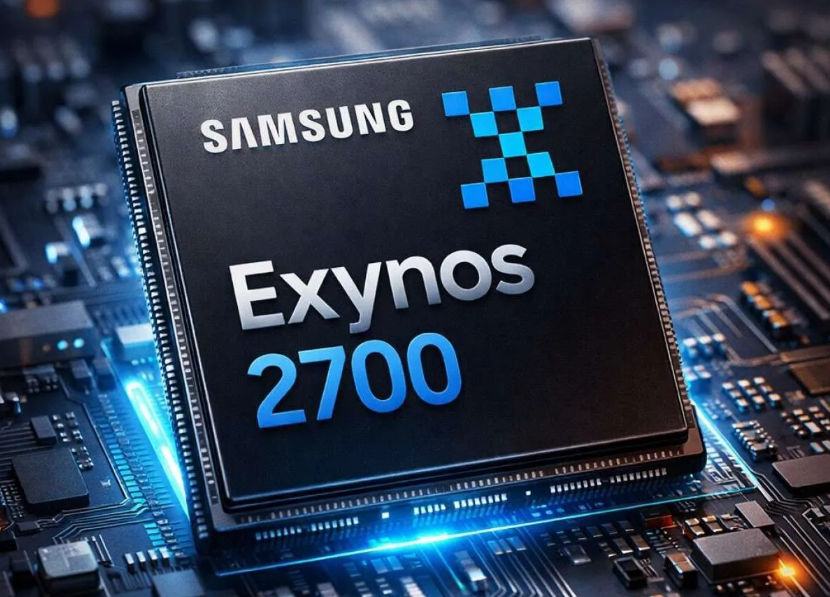
Samsung’s competing Exynos 2700 chipset was reportedly performing better in the same tests, potentially making it a more attractive option for the Galaxy S27 Ultra.
However, Qualcomm has moved quickly to challenge the claims, with the company’s chief marketing officer responding directly to the rumours on X.
In a statement, the executive described the reports of thermal problems with the Snapdragon 8 Elite Extreme Gen 6 as inaccurate, emphasising Qualcomm’s confidence in its latest flagship mobile platform.
Qualcomm also maintained that there are no widespread thermal issues affecting the processor, suggesting that conclusions drawn from individual manufacturers’ internal testing may not accurately reflect the chipset’s overall performance.
The company explained that smartphone manufacturers routinely optimise processors to achieve different balances between power consumption, performance and thermal efficiency, depending on their hardware designs and intended use cases.
As a result, testing results can vary considerably between devices, particularly when manufacturers are still refining their hardware and software configurations.
Nevertheless, concerns surrounding heat management in increasingly powerful smartphone processors are not entirely new.
Modern flagship chipsets are delivering performance levels that would have been difficult to imagine in smartphones just a few years ago, with some now capable of handling demanding games previously associated with PCs and dedicated gaming systems.
The Snapdragon 8 Elite Gen 6 series, for example, reportedly features two Prime CPU cores operating at frequencies of up to 5.0GHz, alongside six Performance cores running at 4.0GHz.
While these speeds promise substantial performance improvements, they also present challenges for smartphones, which generally rely on passive cooling systems rather than the active cooling solutions found in laptops and desktop computers.
Previous generations of Snapdragon flagship processors have also demonstrated noticeable performance reductions during prolonged stress testing as devices attempt to manage heat and maintain safe operating temperatures.
However, thermal throttling during intensive benchmark testing does not necessarily indicate that a processor will overheat or suffer noticeable performance problems during normal everyday use.
For now, there is no independent testing available to establish whether Qualcomm’s latest flagship chipset experiences the thermal problems described in the original report.
Samsung has also made no official announcement regarding its processor plans for the Galaxy S27 Ultra, leaving questions about whether the company will continue using Snapdragon silicon or expand its reliance on Exynos unanswered.
With Qualcomm firmly rejecting the overheating claims, attention will now turn to independent performance testing and Samsung’s eventual hardware announcements to determine whether the rumours have any substance.