Tidal Cracks Down On AI Music With 27 Million Tracks Facing Removal
 Dominic Bayley
26 Nov 2026
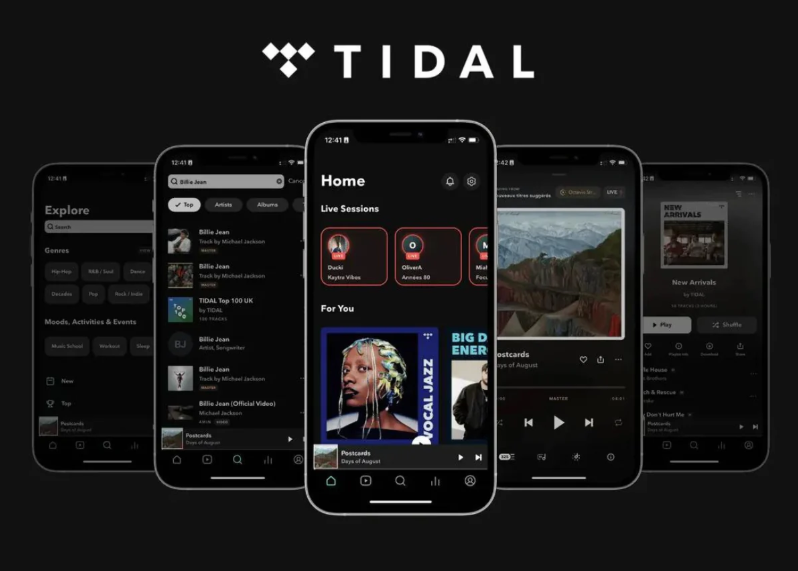
Tidal is set to become the first major music streaming platform to ban fully AI-generated music, as concerns mount over fraudulent content, artist impersonation and the impact of artificial intelligence on musicians’ earnings.
From December 9, the streaming service will remove more than 27 million tracks identified as being entirely AI-generated, while blocking distributors from uploading similar content.
The ban will not extend to music created with the assistance of AI, provided tracks are not exclusively generated using tools such as Suno and Lyria.
The decision follows a dramatic increase in AI-generated content, which accounted for more than 60 per cent of all tracks uploaded to Tidal on November 6.
Earlier this year, Tidal introduced a policy that labelled and demonetised fully AI-generated music, while allowing subscribers to filter such tracks from their libraries.
However, the company believes tougher measures are necessary to protect legitimate artists and copyright holders.
Despite the enormous volume of AI-generated music flooding the platform, Tidal revealed that 96 per cent of the 27 million tracks flagged by its detection systems had not been streamed once in the past three months.
Of greater concern is the growing number of fraudulent tracks impersonating established artists, potentially diverting streaming revenue away from musicians and misleading fans.
Tidal is working with French audio technology specialist Ircam Amplify to identify AI-generated content and enforce the new restrictions.
Speaking to Rolling Stone, a company spokesperson acknowledged that some legitimate tracks could be incorrectly flagged but said the vast majority of challenged decisions had been upheld following further review.
Tidal will also reject submissions from music distributors where accompanying metadata identifies tracks as being entirely AI-generated.
The company’s music lead, Robert Andersen, has urged competing streaming services to introduce similar restrictions, pledging to continue prioritising human artists.
The move could put pressure on rival streaming platforms to strengthen their own AI policies as the music industry grapples with the rapid proliferation of machine-generated content.