Samsung Makes $347 Million Bet On MicroLED As OLED Continues To Dominate
 Dominic Bayley
26 Nov 2026

Samsung Display is looking to overcome one of the biggest obstacles facing microLED technology – its exorbitant manufacturing costs – through a major investment in semiconductor specialist ams Osram.
The South Korean display manufacturer has agreed to acquire a 9.1 per cent stake in the Austrian company for approximately €210 million (A$347 million), making it ams Osram’s largest shareholder.
The deal involves the purchase of nearly 10 million newly issued shares and is expected to be finalised in early 2027, subject to regulatory approval.
Alongside the investment, the companies have established a strategic partnership to develop ultra-small microLED technology, targeting improvements in energy efficiency and production costs to accelerate commercialisation.
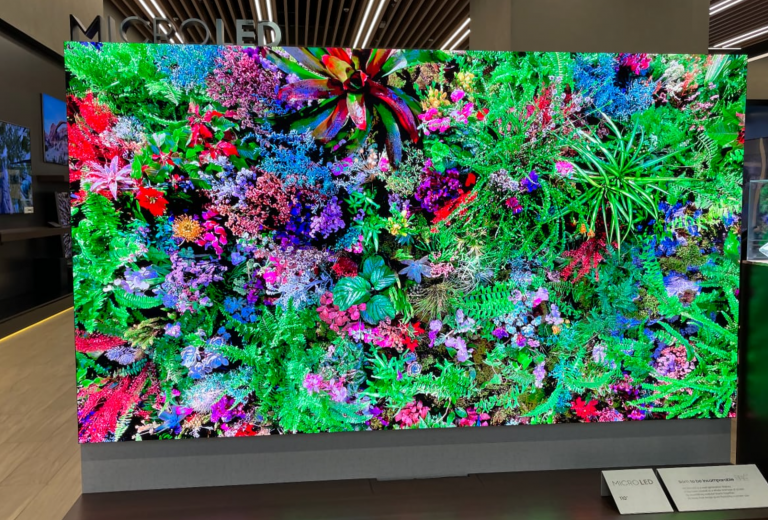
MicroLED was once touted as the technology that would eventually surpass OLED, offering superior brightness, longer lifespans and greater flexibility in display sizes and shapes.
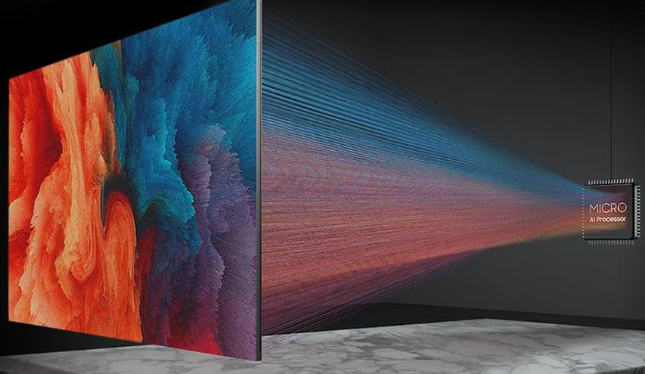
However, nearly nine years after Samsung unveiled its 146-inch The Wall display, microLED remains largely confined to luxury installations and commercial applications, with prices frequently exceeding US$100,000.
Unlike micro RGB LCD technology, which uses miniature LEDs as a backlight, true microLED displays feature tiny inorganic LEDs that emit light directly, eliminating the need for a separate backlighting system.
Samsung Display President and CEO Chung Yi said the technology had the potential to overcome existing display limitations in areas such as brightness and lifespan.
“Its potential is not limited to any particular product category, but extends across an exceptionally broad range of applications, from ultra-small to ultra-large displays,” he said.
Ams Osram brings considerable expertise to the partnership, having previously been involved in Apple’s abandoned microLED development project.
The investment also marks a significant commitment from Samsung Display, rather than Samsung Electronics, which has historically led the group’s microLED television development.
Samsung Display supplies panels to numerous consumer electronics manufacturers, including Apple, potentially opening the door to broader industry adoption if manufacturing costs can be reduced.
However, microLED faces an increasingly difficult challenge. While the technology has struggled to move beyond niche applications, OLED has continued to evolve, delivering higher brightness, improved efficiency and increasingly competitive pricing.
Samsung’s latest investment highlights its determination to keep microLED development alive, but the challenge now is whether the technology can catch up with OLED rather than simply surpass it.