The “Greatest Heist” Redux? David Jones Under Fire as Anchorage Capital Triggers Dick Smith Alarm Bells
 David Richards
09 Mar 2026
David Richards
09 Mar 2026
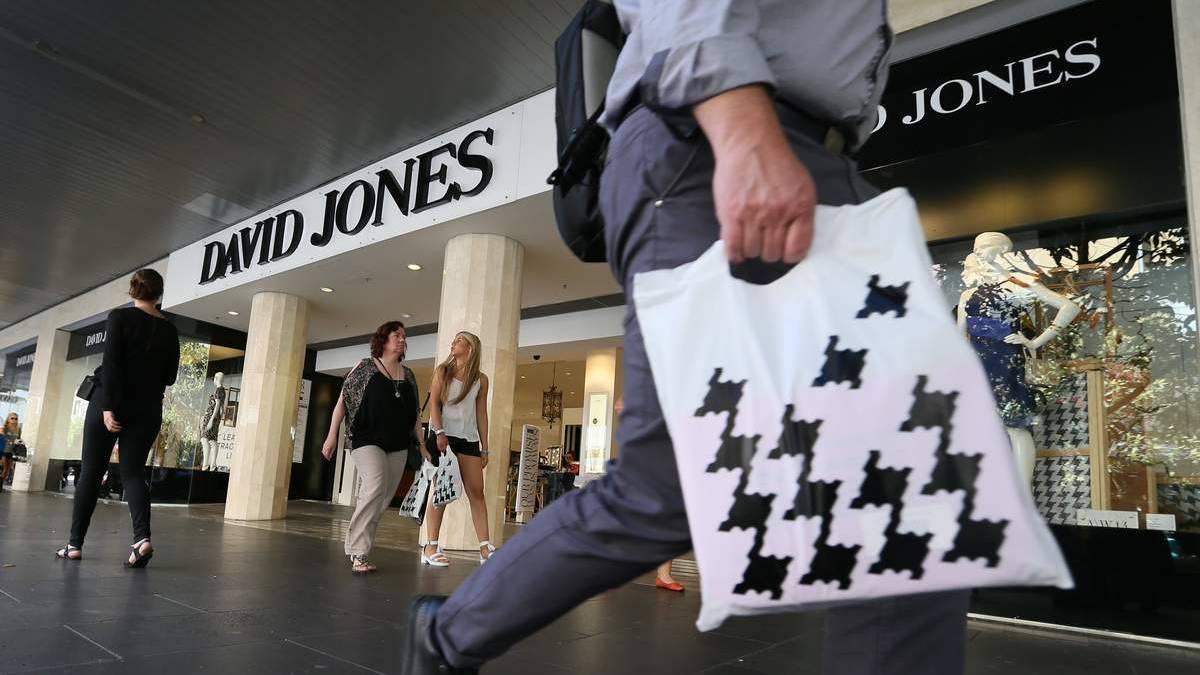
In the high-stakes world of Australian retail, history isn’t just repeating; it’s screaming potential problems ahead.
Anchorage Capital Partners, the private equity firm behind the infamous $450 million collapse of Dick Smith, is facing intense scrutiny over its management of the 188-year-old David Jones.
With reports of extended payment terms for suppliers and a ballooning debt facility, industry observers are asking the $100 million question: Is this a “transformation,” or the opening chapter of another textbook “vulture capital” exit?
The “Dick Smith” Playbook: A Chilling Comparison
The ghost of Dick Smith haunts every aisle of David Jones today.
To understand the fear rippling through the supply chain, one must look at the “heist” that left thousands of “mum and dad” investors and suppliers in the cold.
The Buy-In: Anchorage acquired Dick Smith for a net cash outlay of just $20 million, using the company’s own reserves to fund the rest. 
The Profit Illusion: They wrote down inventory by $58 million, sold it at normal prices to inflate margins, and floated the company 15 months later for $520 million—a 50x return.
The Crash: Once the “sugar hit” of liquidated stock faded, the debt-laden shell of Dick Smith collapsed into receivership in 2016.
Red Flags at the “Grand Dame”
Today, David Jones is showing symptoms that many suppliers recognize with a sense of dread.
After acquiring the retailer from South African giant Woolworths for a “bargain basement” $100 million in 2022, Anchorage’s “transformation” has hit significant turbulence.
1. The Supplier Squeeze
In a move described by David Jones as “streamlining operational processes,” the retailer has confirmed it is updating standard payment terms. For suppliers—many of whom were burned in the Dick Smith collapse—this is code for “cash flow pressure.” By delaying payments, a retailer effectively uses its suppliers as an interest-free bank.
2. Ballooning Costs & Mounting Losses
Recent ASIC filings for FY24 reveal the scale of the struggle:
Net Loss: $74 million.
Finance Costs: Doubled to $151.8 million.
Debt Facility: The company recently secured a $190 million financing line, raising questions about how much of that liquidity is already being burned to “keep the lights on.”
The “Abboud” Factor
Adding fuel to the fire is the legacy of Nick Abboud, the CEO hand-picked by Anchorage to lead Dick Smith.
Following the Dick Smith disaster, Abboud moved to Cheap As Chips, which also spiraled into administration.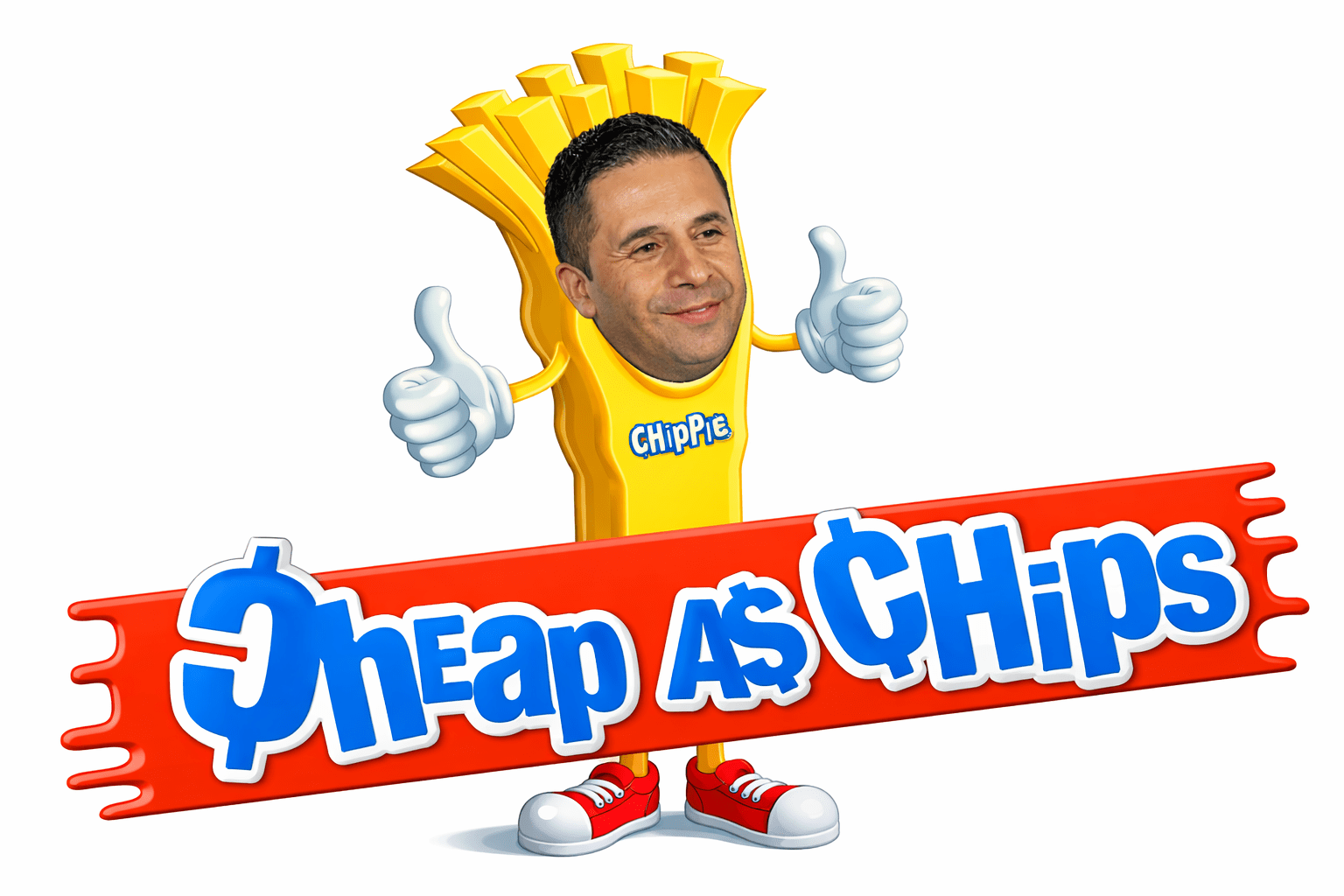
Administrators are currently investigating a significant payout handed to Abboud before the discount chain’s failure—a pattern of leadership that has left a trail of retail wreckage in its wake.
Is David Jones “Too Iconic to Fail”?
While David Jones claims its “Vision 2025+” strategy—including a $250 million investment in retail media and loyalty programs—is the path to a sustainable future, the market remains unconvinced.
Unlike the electronics sector, department stores are facing a brutal pincer movement: the rise of ultra-fast fashion (Temu, Shein) and the crushing overhead of legacy CBD flagships.
“They are doing exactly what they did at Dick Smith,” one anonymous supplier told reporters.
“They trim the fat, stretch the payments, and show a ‘refreshed’ balance sheet to the next buyer. But if the customers don’t follow, there’s no business left to save.”
As David Jones battles a $74 million loss and a skeptical supply chain, the coming 12 months will determine if the “Grand Dame” of Elizabeth Street is being revitalized—or simply being readied for the final curtain call.
The bottom line is that Anchorage Capital did nothing wrong at Dick Smith well legally, now they are weaving their own agenda at David Jones using a similar play book that they used at Dick Smith and investors are questioning every move.