Swann Communications Narrows Losses as Executive Departures and Offshore Loans Signal Strategic Crossroads
 David Richards
13 Feb 2026
David Richards
13 Feb 2026

Melbourne-based security technology company Swann Communications has narrowed its annual losses to $6.4 million, down from $13.9 million a year earlier, but the improved result has been overshadowed by the departure of two senior executives and fresh reliance on loans from a Hong Kong-based lender.
The latest financial accounts, lodged in September 2025, it show the Company had revenue of $115.5 million — marginally below the $115.74 million reported in the prior year.
While the reduced loss suggests cost discipline or improved margins, flat revenue underscores the competitive pressures facing the once-pioneering DIY surveillance brand.
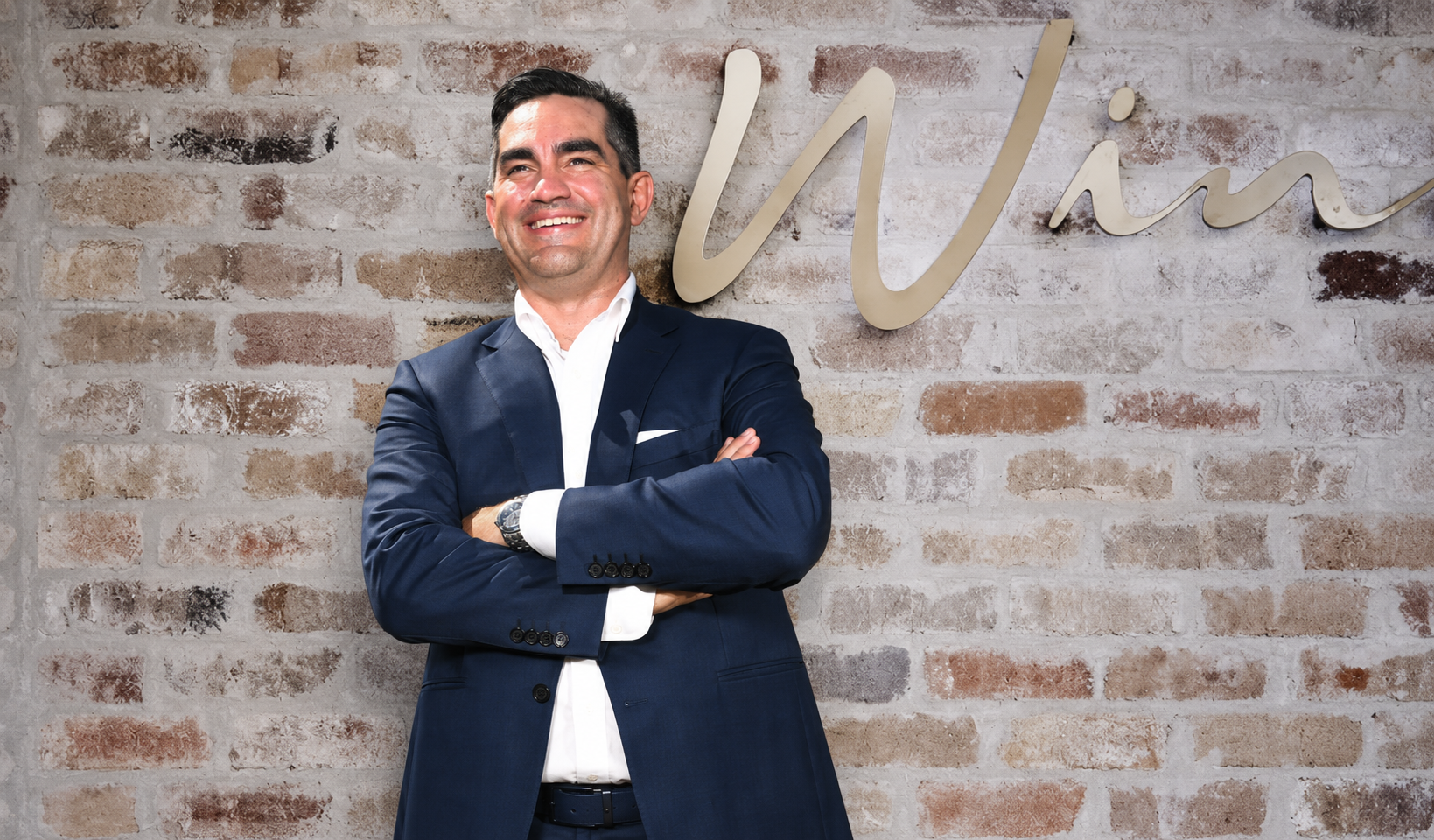
The financial results were signed off by then-CEO Alex Talevski, who exited the business weeks later.
His departure came at the same time as the exit of long-time marketing director Jeremy Stewart, marking a significant leadership shake-up at a time when the company appears to be reassessing its strategic direction.
Offshore funding to support operations
In the same financial period, Infinova International Limited — a Hong Kong-based financial lender separate from the holding company that owns Swann — extended an A$8.18 million loan to the business. A further letter of support was signed for an additional A$9.2 million facility due on 1 June 2026.
The funding underscores the capital requirements of operating in the crowded global security camera market, where Swann competes against aggressive Chinese manufacturers and increasingly sophisticated smart-home brands and needs R&D funding to develop a new generation of AI enabled security cameras.
The move to secure offshore financing also comes amid reports of discussions around a potential sale of Swann by its parent company, Infinova Group, to a global security entity.
Pivot to digital and AI
ChannelNews understands that Swann has been shifting investment toward online sales channels, with marketing expenditure rising from A$7.75 million to A$10.2 million over 12 months — a more than 30 per cent increase. The uplift suggests a deliberate effort to strengthen direct-to-consumer engagement as retail distribution dynamics continue to evolve.
During his roughly two-year tenure as CEO, Talevski — who previously served as CTO — led the development of the company’s 4K Max Ranger camera range and championed the integration of artificial intelligence into Swann’s product ecosystem.
His departure to join semiconductor company Morse Micro as Senior Vice President of Platform, Products and AI signals both personal career progression and a notable loss of technical leadership for Swann during a pivotal product transition period.
From basement start-up to global retail brand
Swann’s current challenges contrast sharply with its entrepreneurial origins. Founder David Swann launched the business from his basement and garage, initially manufacturing modems and networking components rather than cameras.
As home technology evolved in the late 1990s and early 2000s, Swann identified a gap in the market for affordable, self-installed surveillance systems. The company effectively helped pioneer the DIY security category, enabling homeowners to install cameras without professional contractors — a model that would later become mainstream.

SwannShield.
By October 2014, Swann had been sold to Infinova Group, a US-based surveillance manufacturer with Chinese ownership, for approximately US$87.5 million (A$123 million). The acquisition aimed to combine Swann’s strength in consumer retail — including placements in Walmart, Best Buy and JB Hi-Fi — with Infinova’s high-end research, development and manufacturing capabilities.
Following the sale, David Swann retired in December 2014, closing the chapter on the family-owned era.
A chequered corporate history
Swann’s ownership journey has been complex. Prior to the Infinova acquisition, the company was reportedly offered to a local Australian buyer for $3 million, a deal that ultimately did not proceed.
Ian Barton, former CFO of Pacific Brands, later played a key restructuring role in stabilising the business before its sale. Between 2009 and 2019, Jason Carrington served as CFO; he is now CEO of accessories brand Cygnett, founded by Tim Swann, the son of David Swann.
The intertwined executive histories reflect Swann’s enduring influence within Australia’s consumer electronics sector — even as the company itself navigates shifting global dynamics.
Competitive headwinds
Today, Swann operates in a vastly different environment from the one it helped create. The DIY surveillance category is now saturated with low-cost Chinese brands, premium smart-home entrants and vertically integrated technology giants. Margins are tight, innovation cycles are rapid and marketing costs are escalating.
The company’s reduced losses may signal incremental progress, but flat revenue and reliance on related-party loans highlight ongoing structural pressures.
With new leadership likely to shape the next phase of its strategy, Swann Communications stands at a crossroads — balancing its heritage as a category pioneer against the realities of a hyper-competitive, capital-intensive global security market.