Startups Rush to Launch AI-Powered Wearables as Voice Interaction Technology Matures
 Isabella Alexiou
18 Nov 2025
Isabella Alexiou
18 Nov 2025
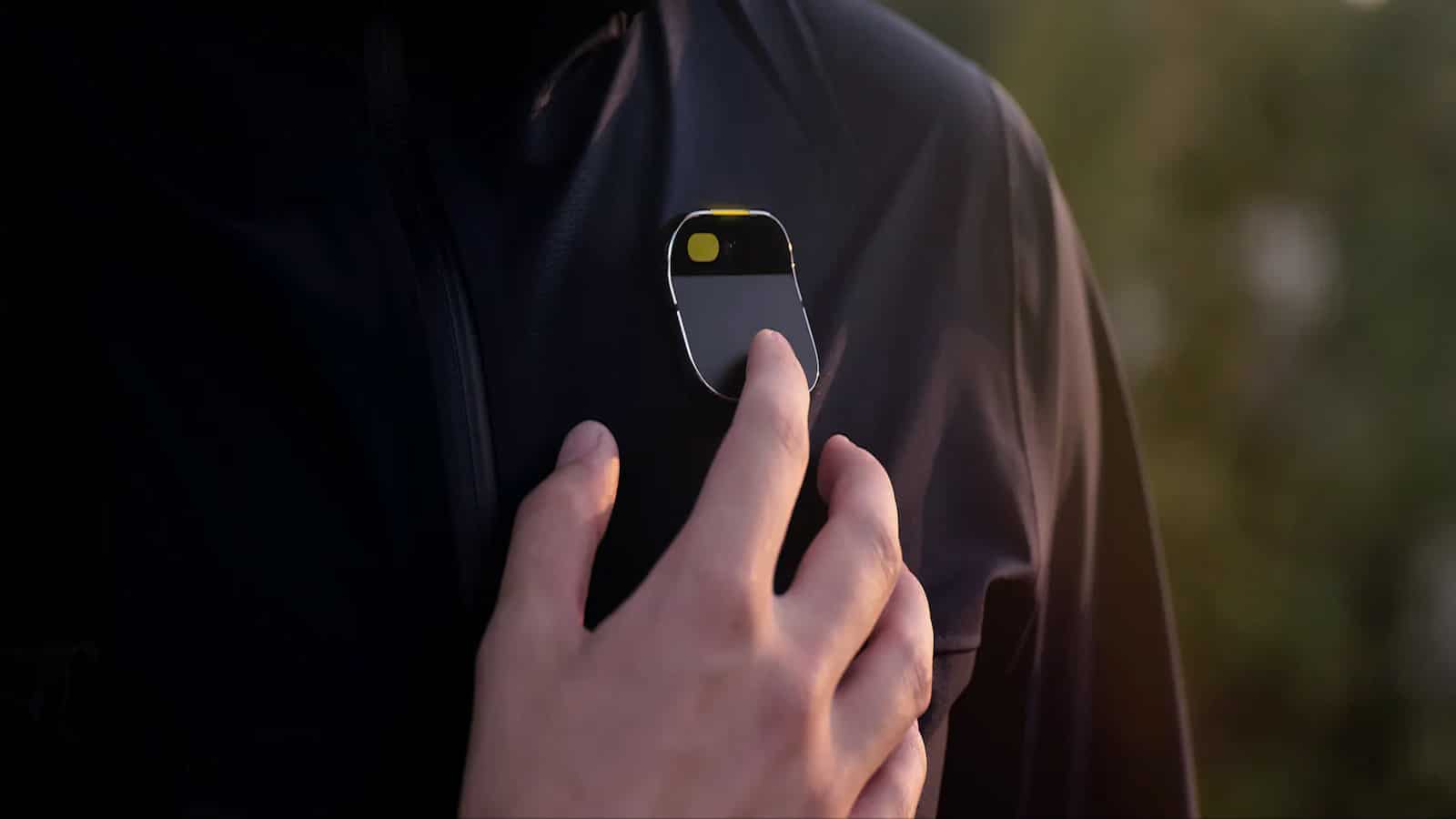
Startups and tech giants are racing to launch wearable technology with personalised AI assistants, from bracelets to necklaces and smart rings, as large language models unlock new interaction possibilities previously unavailable.
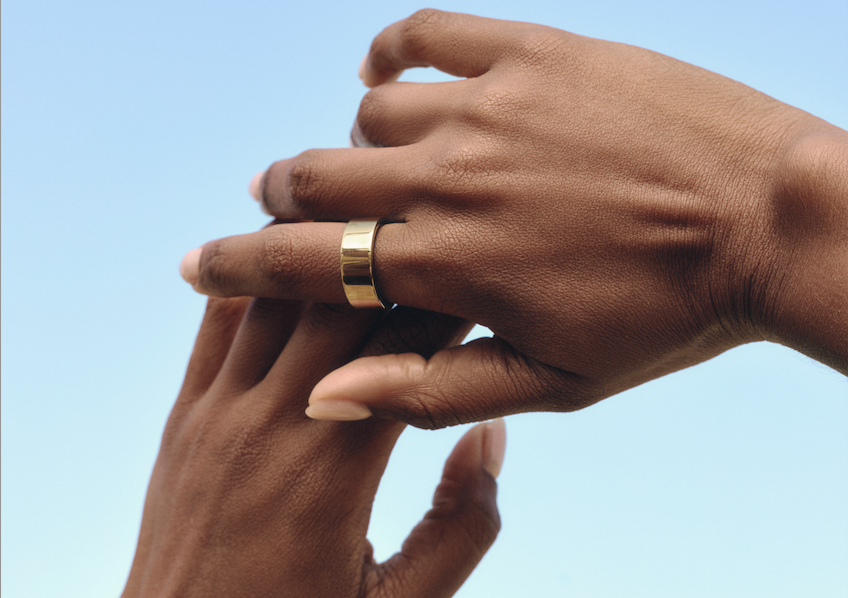
Sandbar, founded by Mina Fahmi and Kirak Hong, who worked together on neural interfaces at CTRL-Labs (acquired by Meta in 2019), has launched the Stream Ring, worn on the index finger.
The device lets users capture thoughts or ideas without pulling out their phones by whispering into the ring, with words organised and accessible via an app.
Fahmi describes the Stream Ring as the “mouse for voice,” featuring a touchpad on the side, a microphone on top, and haptic feedback to indicate recording.
Users hold the touchpad, speak, and release to save thoughts or discuss ideas.
Unlike ambient-recording devices, the Stream Ring only listens when users hold the touchpad.
A small motor provides tactile feedback when recording begins, though this indicator wouldn’t be obvious to conversation partners.
The device stops recording if held too long and is designed for quiet speaking, even in loud environments.
The Stream app presents a “stream of consciousness” view showing interaction history and AI-generated notes that users or the AI can edit.
The interface allows users to zoom out of interactions and continually refer to memories as ideas build over time.

The wearable AI assistant market has expanded rapidly, with devices like the Bee bracelet (acquired by Amazon this summer) offering always-on recording.
Fahmi noted Stream’s screen-reduction benefits emerged as a “happy accident” rather than the primary motivation, which focused on enabling thought capture and note-taking without phone interaction.
Large language models have unlocked interactions previously impossible, allowing developers to explore new use cases beyond incremental phone improvements.
The hardware industry has matured significantly in the past decade, with high-quality prototype circuit boards and enclosures available in under a week.
White-labeled products allow entrepreneurs to quickly bring devices to market, though significant challenges remain in transitioning from prototypes to mass-producible units, requiring year-long negotiations with overseas manufacturers.
The explosion of AI wearable devices, particularly from startups, reflects both technological maturation and new interaction paradigms enabled by AI.
Companies are exploring form factors from rings to bracelets, necklaces, pendants, pins, and glasses.
Pricing for the Stream Ring has not been announced.
Fahmi discussed the device with Joanna Stern, The Wall Street Journal’s Senior Personal Technology columnist, at the 2025 WSJ Tech Live conference in Napa Valley, California.