Spotify Shares Surge As User Growth Smashes Forecasts And Profits Climb
 April Ossington
11 Feb 2026
April Ossington
11 Feb 2026

Spotify’s share price leapt to its strongest single-day gain in almost eight years after the music streaming company reported a surge in users that comfortably beat market expectations.
The Stockholm-based company said it added 38 million new listeners between October and December, taking its total monthly active users to 751 million. Paid subscribers also rose sharply, climbing 10 per cent to 290 million. Spotify told investors it expects to reach 759 million monthly users in the current quarter.
The company pointed to several factors behind the growth, including its annual Wrapped campaign, which gives users a personalised summary of their listening habits and is widely shared on social media. Spotify also credited the global rollout of an improved free tier, which appears to have attracted a new wave of users.
Investors responded enthusiastically, sending the stock up by as much as 19 per cent during trading. It was the biggest intraday jump since 2018. While Spotify shares rose 29 per cent last year, much of that momentum had faded ahead of the earnings release amid concerns about artificial intelligence and how much scope remained for further price increases.
The strong results mark an early success for new co-chief executives Gustav Söderström and Alex Norström, who stepped into the role at the start of the year after founder Daniel Ek moved to executive chairman. Under Ek’s leadership, Spotify has steadily expanded beyond music into podcasts, audiobooks, video content and even physical books, as it works to position itself as a broader entertainment platform.
Ek told investors that Spotify now sees itself as a technology platform for audio and other forms of media, with a growing focus on how creators connect with audiences. He said this identity would become increasingly important as new technologies reshape how people discover and engage with content.
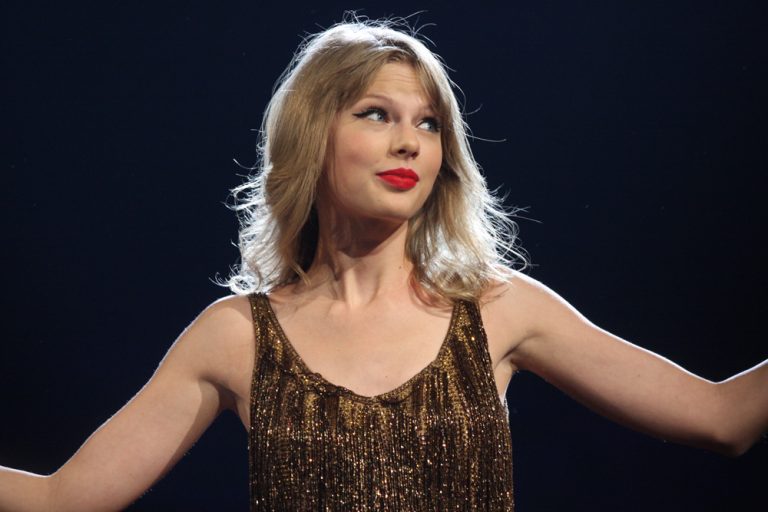
Recent product updates reflect that shift. Spotify has rolled out new editorial and curation tools designed to give users greater control over what they hear. One feature, prompted playlist, uses artificial intelligence to turn written prompts into custom playlists based on both online context and a user’s listening history. The company has also introduced music videos in the US and recently premiered a new release from Taylor Swift.
Artificial intelligence was a central theme on the earnings call, with executives emphasising that the technology would benefit both artists and listeners. They highlighted the AI DJ feature, which has already been used by around 90 million people, as well as music mixing tools that allow users to interact more actively with tracks rather than simply playing them.
Spotify’s financial performance has also strengthened. The company said it paid more than A$16.5 billion to music rights holders in 2025, an increase of over 10 per cent compared with the previous year. Net profit for the December quarter jumped to about A$1.9 billion, up from roughly A$600 million a year earlier. Gross margin reached a record 33.1 per cent, a key metric closely watched by investors.
Operating profit rose 47 per cent year on year to around A$1.4 billion. Total revenue increased 6.8 per cent to approximately A$7.0 billion, and Spotify forecast revenue of about A$7.4 billion for the current quarter. Advertising remains a weaker spot, however, with ad revenue slipping 4 per cent compared with a year ago.
Pricing continues to be a delicate issue. Last month, Spotify lifted the cost of its individual plan in the US by US$1, taking it to US$13 a month, or about A$19.50. Investors have pushed for further increases in slower-growth markets, but analysts caution that consumers may resist after a series of subscription price rises across the streaming industry.
For now, the latest figures suggest Spotify’s mix of product tweaks, global expansion and tighter cost control is resonating with users and investors alike, even as questions remain about how far prices and growth can be pushed in the years ahead.