Spotify Lifts Premium Prices As New Leadership Pushes Video, AI And Creator Expansion
 April Ossington
16 Jan 2026
April Ossington
16 Jan 2026

Spotify has announced a rise in the price of its Premium subscription in several markets as the streaming giant balances higher fees with an ambitious push into video, artificial intelligence and creator tools under a new leadership structure.
The Swedish company said the monthly Premium plan will increase by about $A1.50 in the United States, Estonia and Latvia, taking the total cost to roughly $A19.99 a month. The new pricing will apply from subscribers’ next billing date starting in February, with customers to be notified by email. Spotify shares dipped by almost 3 per cent following the announcement.
Spotify has increasingly leaned on price rises to fuel revenue growth, arguing that users continue to see value in the service despite higher costs. Finance chief Christian Luiga has previously said that even after price increases across more than 150 countries, the company has not seen a meaningful lift in customer churn. The company said the latest increase is designed to help it keep improving the platform and invest more in supporting creators.
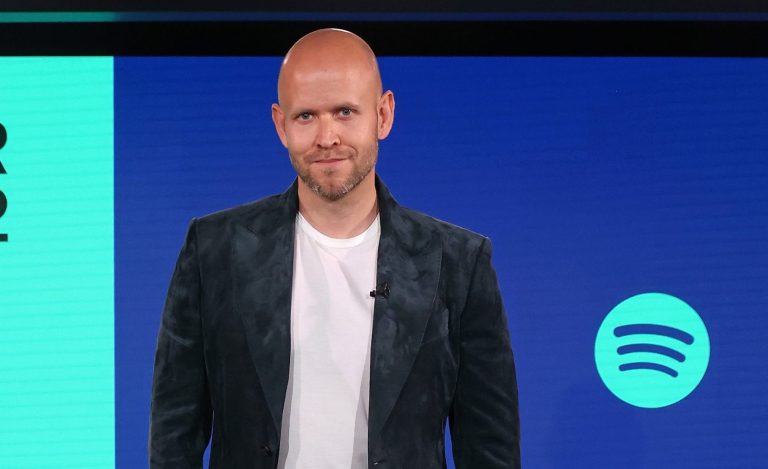
Spotify Executive Chairman Daniel Ek
The move comes at a pivotal moment for Spotify, which is navigating both strategic change and a shift at the top. Co-founder Daniel Ek has stepped aside as chief executive after nearly two decades, taking on the role of executive chairman. Day to day control now sits with long-serving executives Gustav Söderström and Alex Norström, who are leading the company as joint chief executives.
Under Ek’s leadership, Spotify grew from a small start-up into the most influential force in global music streaming. In the third quarter, the company reported 281 million paid subscribers, up 12 per cent, and 713 million monthly active users. It has also recently delivered its first full year of profitability, a milestone after years of heavy spending on growth and content.
The new leadership team is focused on ensuring Spotify remains relevant as listening habits evolve and competition intensifies. While music remains the platform’s core, Spotify has been expanding aggressively into podcasts, audiobooks and video. Music videos have been rolled out to Premium subscribers in the United States and Canada, while new monetisation tools for video podcasters have been introduced in an increasingly crowded space dominated by YouTube and Netflix.
Spotify’s push into video is seen internally as critical to winning over younger users, particularly Generation Z, who increasingly expect multimedia experiences. Executives say early signs show video content is driving new behaviour on the app, from podcast viewing to guided workouts, opening up fresh opportunities for engagement and advertising.
At the same time, Spotify continues to face scrutiny from parts of the music industry over artist pay. The company says it pays more than 60 per cent of its revenue to rights holders and argues that streaming has expanded the overall artist economy. Critics, however, maintain that many musicians still struggle to earn a sustainable income from streaming alone, fuelling periodic backlash and calls for reform.
The platform is also grappling with the rise of AI generated music. Some users have complained about being served synthetic tracks that are not clearly labelled. Spotify has resisted calls to ban such content outright, saying it will only step in when music impersonates real artists without permission or shows signs of fraudulent activity.
Looking ahead, Spotify is testing new features designed to give users more control over recommendations, including tools that allow listeners to generate playlists by typing prompts rather than relying solely on algorithms. The company believes these changes, combined with broader content offerings, will help justify higher prices and keep users engaged.
For Spotify’s new leaders, the challenge is clear. They must prove that the service can continue to grow, innovate and retain trust from both listeners and artists, even as subscription costs rise and the next phase of digital media competition takes shape.