Sonos Shifts Strategy Under New CEO, Moves to Sell Direct and Target Existing Customers
 David Richards
06 Nov 2025
David Richards
06 Nov 2025
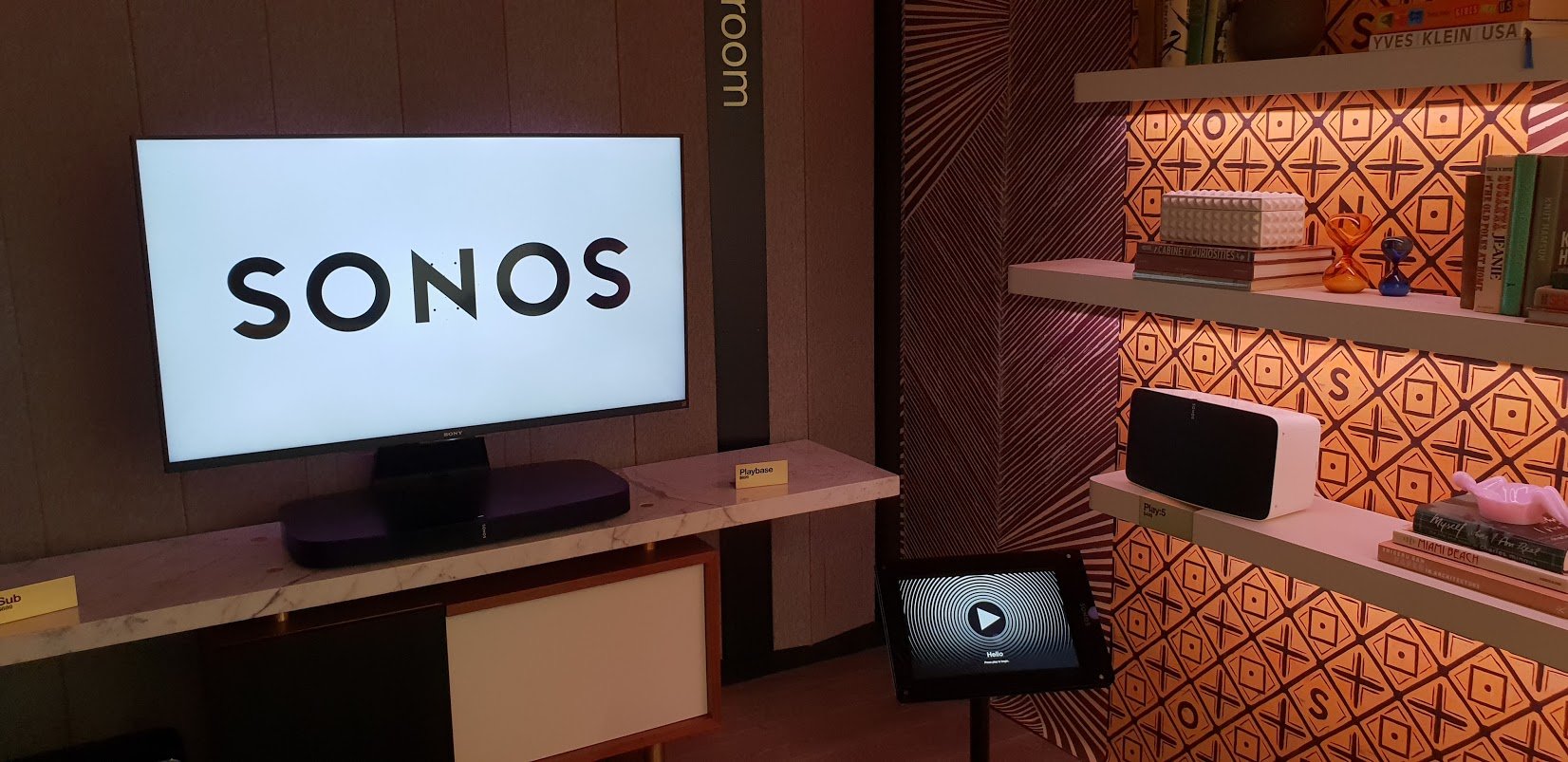
After ousting its former woke CEO Patrick Spence — whose leadership was blamed for a near collapse of the business — US audio company Sonos is attempting a turnaround with a bold new strategy that has retailers concerned.
Under newly appointed CEO Tom Conrad, Sonos plans to focus on getting existing customers to buy more products with retailers claiming this is a move to sell directly bypassing traditional retail partners.
The move has drawn sharp criticism from Australian retailers, who say Sonos has restricted them from selling its products online or transacting via shopping carts — a move they describe as a “clear strategy to go direct.”
Shares in Sonos initially jumped 9% overnight before falling to close up 1.17% in New York trading, Sonos sales in Australia are down again.
Conrad outlined the new strategy overnight, revealing plans to target existing customers — many of whom originally purchased through specialist audio dealers or major retailers like JB Hi-Fi and Harvey Norman.
Currently, around 45% of Sonos products are registered to existing customers. By marketing directly to this group, Sonos aims to lift sales while cutting out retailer margins of up to 35%, keeping that profit in-house.

Sonos wish list for existing customers.
“This isn’t about launching new products,” insiders told ChannelNews. “It’s about selling more of what Sonos already makes.”
Conrad estimates the strategy could unlock US$12 billion in additional revenue, citing opportunities to boost the number of Sonos devices per household and to convert single-product homes into multi-product ones.
“We see a US$5 billion opportunity in increasing the number of devices per household to six, and another US$7 billion in converting single-product households to multi-product levels,” Conrad said.
The announcement followed Sonos’ better-than-expected quarterly results, marking a tentative recovery after last year’s disastrous app rollout that crippled systems and alienated customers.
Conrad said the company’s goal is to “unite every dimension of sound into one cohesive and radically easy system”, and highlighted AI and conversational chatbots as a “new frontier” for the platform.
Under Spence’s leadership, the company was heavily criticised after its new app caused widespread outages and disrupted speaker systems globally — a debacle that led to plummeting sales and the departure of multiple executives.
Financial Performance
Sonos reported a 13% rise in global fourth-quarter revenue to US$287.9 million, but continued to post a quarterly loss of US$37.85 million and a full-year loss of US$50.49 million.
In the Asia-Pacific region, where Australia is the largest market, revenue fell from US$82.8 million in 2024 to US$79.1 million in 2025, with the most recent quarter slipping to US$18.4 million.
Despite the setbacks, the company claims its “software reliability now exceeds historical levels” and that customer sentiment has improved. Sonos’ installed base grew to 17.1 million households over the fiscal year.
Conrad described 2025 as a “transitional year” as Sonos rebuilds from its software missteps. He also announced the appointment of Colleen DeCourcy, former head of marketing at Snap, as the company’s new Chief Marketing Officer.
Looking Ahead
For the first quarter of fiscal 2026, Sonos expects revenue between US$510 million and US$560 million, representing anywhere from a 7% decline to a 2% gain year-over-year. The company said new product launches will be concentrated in the second half of the fiscal year.
Hardware development has taken a back seat as Sonos prioritises restoring software quality. The company hasn’t launched a major new product since the Arc Ultra soundbar, released over a year ago at around US$1,000.
Conrad also shelved a planned streaming video player soon after becoming interim CEO in January, confirming that new hardware launches will resume by Q2 FY2026.
Recently, Sonos increased prices across several product lines in an effort to make a profit at a Company where losses have been mounting.
Meanwhile, the company is eyeing a future where Sonos becomes a key interface for conversational AI in the home.
However, its in-house voice control system remains basic compared to established AI chatbots. Amazon has confirmed that its Alexa+ service will eventually be integrated into the Sonos platform, though no launch date has been set.