Samsung Slashes Smartphone Production As Mobile Losses Mount, While Memory Chip Profits Soar
 David Richards
09 Oct 2026
David Richards
09 Oct 2026

Samsung Electronics is slashing smartphone production as surging memory and semiconductor costs hammer profitability, leaving its once lucrative mobile division facing mounting losses despite strong demand for its latest Galaxy Z Fold 8 smartphones.
The South Korean technology giant, which is benefiting enormously from the global artificial intelligence boom through its semiconductor business, is now confronting a very different financial reality in its smartphone operation.
While Samsung’s memory division is generating substantial profits from soaring chip prices, those same price increases are crushing margins in its mobile business.
Analysts claim the company has moved to cut smartphone production during the final three months of 2026, with some estimates suggesting reductions of up to 30% across parts of its manufacturing operations.
Industry forecasts indicate Samsung could reduce total smartphone output from approximately 59 million units in the September quarter to 52 million in the December quarter, a decline of nearly 12%.
The cuts come despite Samsung retaining its position as one of the world’s largest smartphone manufacturers and reporting strong demand for its latest foldable devices.
The problem is no longer simply how many smartphones Samsung can sell. It is how much money the company makes from each device.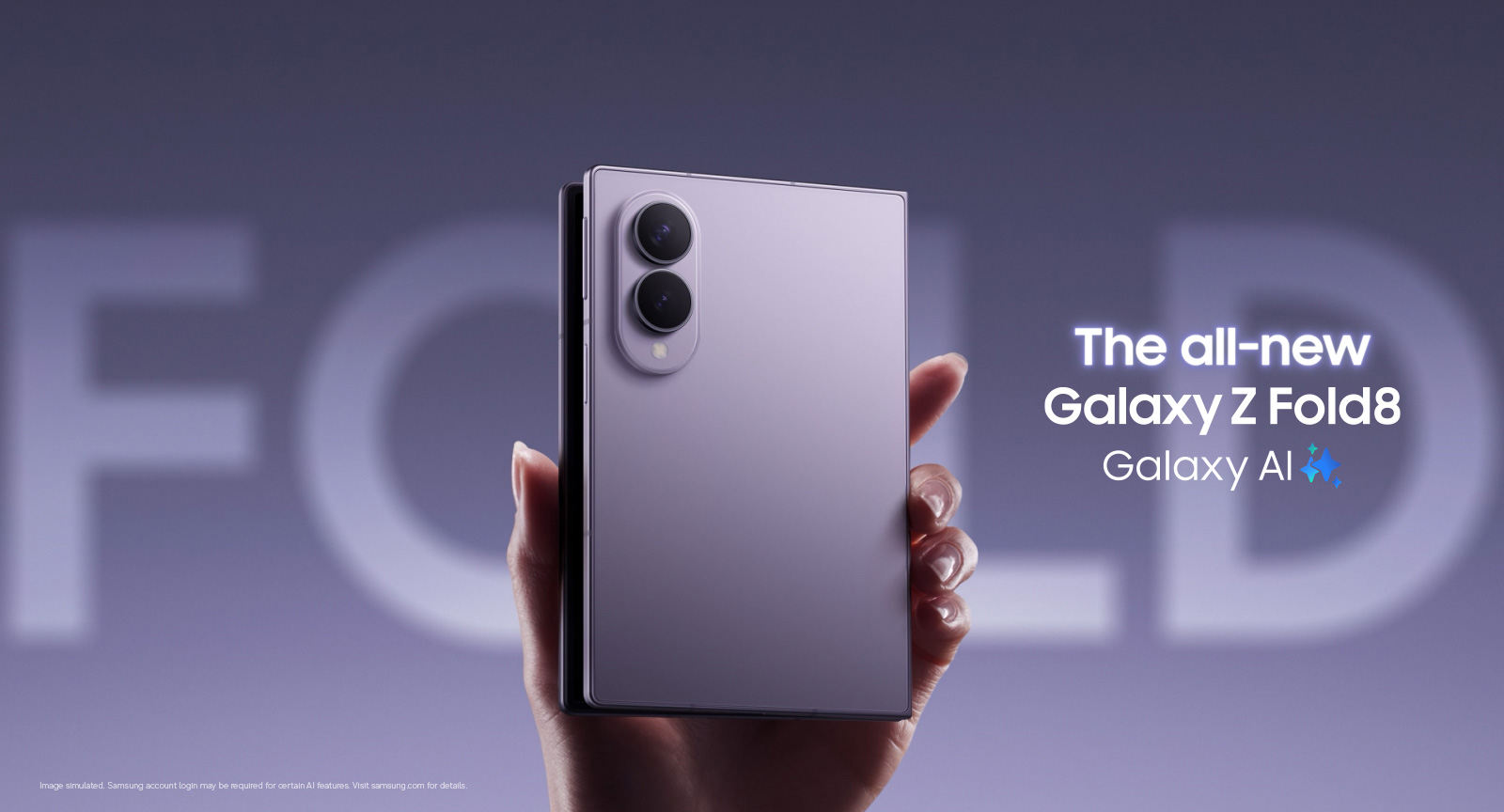
In the second quarter of 2026, Samsung accounted for approximately 23% of global smartphone shipments, ahead of Apple’s 21%.
However, the revenue picture was dramatically different.
Apple captured an estimated 49% of global smartphone revenue compared with Samsung’s 16%, highlighting the enormous financial advantage Apple enjoys from its premium iPhone business.
For Samsung, which competes across everything from entry-level Galaxy A Series devices to premium foldables, the growing cost of components is making that business model increasingly difficult to sustain.
Mobile Losses Could Top A$1 Billion
Samsung’s mobile and networks businesses reportedly recorded an operating loss of approximately A$737 million in the second quarter, with analysts expecting the financial position to deteriorate further during the September quarter.
Estimates suggest the mobile division could report losses of between A$948 million and A$1.1 billion, although Samsung has yet to release its detailed divisional results.
Daishin Securities estimates Samsung’s third-quarter smartphone shipments were broadly unchanged from a year earlier, while average selling prices increased by almost 3%.
However, those price increases have been insufficient to offset rising memory, processor and other component costs.
Eugene Investment & Securities analyst Son In-jun warned that Samsung’s decision to protect market share by absorbing higher manufacturing costs was undermining profitability.
“Samsung has focused on expanding market share by limiting price increases despite soaring memory costs,” Son said in an assessment reported by The Korea Herald.
He expects stronger-than-anticipated sales, supported by Samsung’s latest foldable smartphones, but warned that the company’s inability to recover rising component costs from consumers would deepen its losses.
One industry source went further, claiming Samsung was effectively making no profit from some of the smartphones it sells because of escalating semiconductor prices.
The financial pressure has created an unusual situation in which selling more smartphones does not necessarily translate into higher profits.
AI Boom Creates A Major Problem For Samsung Mobile
At the centre of Samsung’s problems is the extraordinary demand for memory chips from artificial intelligence companies and data centre operators.
Manufacturers are increasingly prioritising higher-margin memory products used in AI infrastructure, tightening supplies of conventional DRAM and NAND memory used in smartphones, PCs and consumer electronics.
Samsung is one of the world’s largest memory manufacturers, placing the company in the unusual position of benefiting from the very price increases that are damaging its smartphone business.
The semiconductor operation is benefiting from stronger prices and demand, while the mobile division is being forced to absorb substantially higher manufacturing costs.
Samsung’s problem is particularly acute in the mid-range smartphone market, where consumers are more price-sensitive and manufacturers have less room to increase retail prices.
The company must now decide whether to protect market share by absorbing higher costs or increase prices and risk losing customers to competitors.
That decision could have significant implications for Samsung’s Australian retail business, where Galaxy A Series smartphones compete aggressively for sales through major retailers and telecommunications carriers.
For retailers, further price increases could also mean weaker demand, longer replacement cycles and greater reliance on promotional activity to generate sales.
Samsung’s A$115 Billion Profit Highlights Growing Divide
The contrast between Samsung’s two major businesses became even more apparent yesterday when the company forecast record third-quarter operating profit of approximately A$115 billion.
Samsung’s preliminary results point to quarterly revenue of approximately A$209 billion, with operating profit rising almost ninefold compared with the corresponding period last year.
The extraordinary result is being driven largely by booming demand for memory chips used in AI infrastructure.