Samsung Prepares Square-Screen Galaxy Z Fold to Counter Apple’s 2026 Foldable iPhone
 Isabella Alexiou
11 Sep 2025
Isabella Alexiou
11 Sep 2025

Samsung plans to launch two Galaxy Z Fold models in 2026, including a new “wide-type” version with a nearly square display, according to Korean media reports, as the company prepares for Apple’s anticipated entry into the foldable market.
The wide model would feature two 18:9 panels that unfold into an 18:18 inner display, departing from the tall, narrow design of current Folds.
This contrasts with the Galaxy Z Fold 7’s expected 18:20 aspect ratio and could better suit gaming, multitasking, and video consumption.
Samsung’s 2026 lineup would include:
- A wide-format model with the square-like display for global markets
- A traditional successor to the Fold 7 maintaining the current format
Unlike the 2024 Z Fold Special Edition limited to Korea and China, the wider model is planned for worldwide release.
Specifications remain unfinalised, with launch targeted for the second half of 2026.
The timing appears strategic, as Apple is widely expected to unveil its first foldable iPhone around the same period.
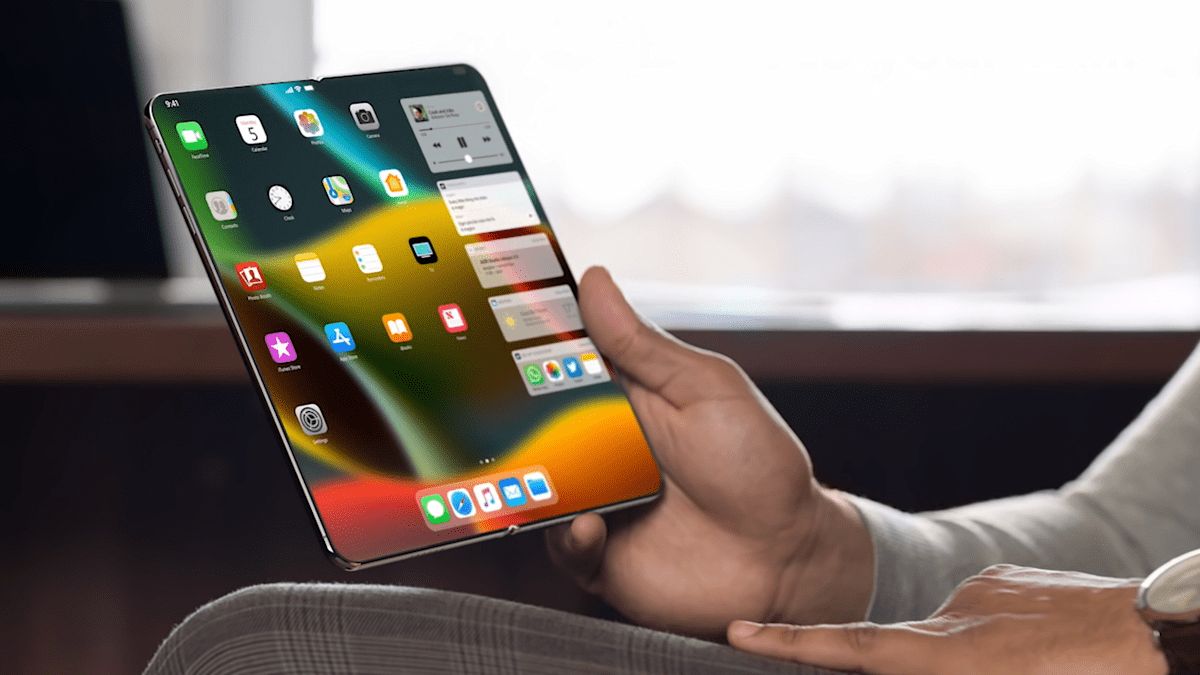
Industry analysts at Omdia forecast foldable shipments rising from 23.5 million units in 2025 (2.2% of smartphones) to over 51 million in 2027, with Apple’s entry viewed as a market catalyst.
Samsung isn’t waiting idle.
The company’s first tri-fold device, the Galaxy Z TriFold, is reportedly on track for late 2025 in South Korea and China, providing another form factor test before Apple’s expected launch.
If confirmed, Samsung’s strategy reveals a clear approach: diversify the Fold series to appeal to both productivity users preferring traditional formats and those seeking tablet-like experiences, while maintaining market leadership as competition intensifies.
For Australian consumers, where Samsung’s current Z Fold 6 retails around $2,749, a wider model could command similar or higher pricing, particularly if positioned against Apple’s expected premium foldable pricing.
Apple’s first foldable iPhone is rumoured to potentially exceed $3,500 based on analyst predictions.
The wider aspect ratio addresses a common criticism of current foldables, their narrow cover screens and awkward unfolded proportions for media consumption.
By offering both formats, Samsung could capture different user preferences while learning which design resonates before Apple enters the market.
Samsung’s seven-year head start in foldables gives it manufacturing expertise and supply chain advantages, but Apple’s entry could rapidly shift market dynamics, particularly in premium segments where both companies compete most directly.